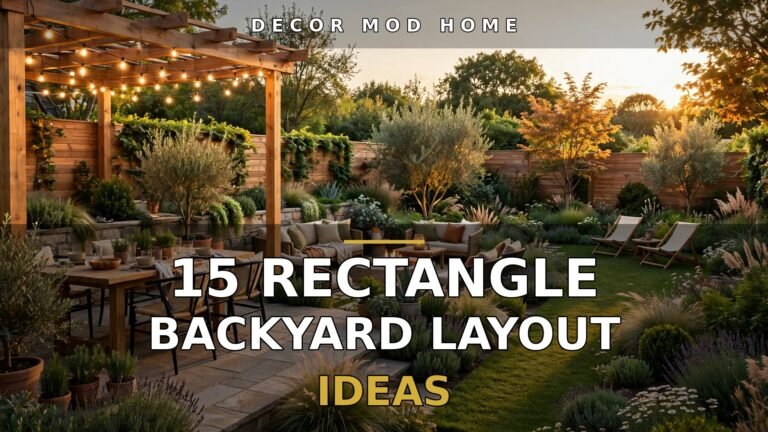
19 Brilliant Backyard Landscaping Ideas You’ll Love
A beautiful backyard doesn’t happen by accident — it’s designed, one thoughtful layer at a time. If you’ve been staring at a plain patch of grass and wondering where to begin, this collection of 19 brilliant backyard landscaping ideas is your practical roadmap. From curved garden beds and winding paths to fire pits, pergolas and clever lighting, each idea is something a real homeowner can plan, budget and build over a season or two. Let’s turn your backyard into the outdoor space you’ve always wanted.
1. Start with a Simple Focal Point

Every great garden has something that draws the eye, and your backyard deserves one too. A focal point — a stone urn, a sculptural tree, a decorative boulder, or even a beautifully potted arrangement — gives the whole space a sense of purpose. Place it where it’s visible from the patio or the back window, so you enjoy it even when you’re indoors. The trick is restraint: one strong centrepiece beats a clutter of small ornaments every time. Walk your garden and notice where your gaze naturally lands; that’s where the focal point belongs. Build the surrounding beds around it rather than competing with it, and the whole garden will suddenly feel designed instead of accidental.
2. Build Curved Garden Beds with Natural Stone Edging

Straight beds can make a backyard feel stiff and suburban, while gentle curves instantly add movement and softness. Lay out a flowing bed line with a garden hose, step back and adjust until the curve feels natural, then edge it with fieldstone, river rock or rustic cut stone. Curved beds are more forgiving for beginners because there’s no perfect line to maintain. They also let you tuck in extra planting depth where the curve bulges outward — perfect for a statement shrub or a cluster of grasses. Once edged, fill with a mix of shrubs and perennials, and you’ll wonder why you ever settled for a straight line.
3. Lay a Meandering Gravel Path with Stepping Stones

A path does more than connect point A to point B — it invites exploration. A winding gravel path with flat stepping stones encourages visitors to slow down and enjoy the garden. To build one, mark your route, dig down about four inches, lay landscape fabric to suppress weeds, then add compacted crushed stone as a base before setting your steppers level with the surface. Fill the gaps with pea gravel for a soft, crunching finish underfoot. Gravel paths drain beautifully, cost far less than poured concrete, and can be re-routed later if your plans change. Edge the path with small stones to keep the gravel from migrating into the beds.
4. Create a Cozy Fire Pit Gathering Spot

Few things extend the life of your backyard like a fire pit. Suddenly autumn evenings and cool spring nights become outdoor season too. Choose a spot at least ten feet from the house, trees and fences, and level the ground before setting a gravel or paver base. A circular arrangement of comfortable chairs — adirondacks, deep-seated loungers or a simple stone bench ring — makes the fire the natural centre of conversation. Check local rules about open flames and smokeless fuel options before you buy. Add a few outdoor blankets in a weatherproof box nearby, and this corner will become everyone’s favourite seat in the house.
5. Plant in Layers: Tall, Medium and Ground Cover

Professional-looking borders are built in tiers, and you can copy the formula easily. Start at the back with taller elements — small ornamental trees, large shrubs or tall grasses. The middle layer holds medium shrubs and showy perennials like coneflowers, salvias and hydrangeas. The front gets low ground covers, edging plants and bulbs that knit everything together. This layering creates depth even in a narrow bed, hides bare stems, and gives the garden a finished, abundant look. As a rule of thumb, plant in odd-numbered groups of three, five or seven for the most natural effect, and repeat the same plants along the bed to create rhythm.
6. Add a Raised-Bed Kitchen Garden Corner

You don’t need a farm to grow your own food — a corner of the backyard with two or three raised beds is plenty. Raised beds warm up faster in spring, drain better than compacted ground, and are kinder on your back at harvest time. Build them from rot-resistant cedar or recycled composite boards, roughly a metre wide so you can reach the centre from either side. Fill with quality topsoil mixed with compost, then plant what you actually eat: tomatoes, peppers, salad leaves and herbs are the most rewarding for beginners. Tuck the kitchen garden near the patio or kitchen door so harvesting feels effortless rather than a chore.
7. Install Low-Voltage Landscape Lighting

Landscape lighting is the single fastest way to make a backyard feel magical after dark. Low-voltage LED kits are DIY-friendly — no electrician needed — and sip so little power that you can run a whole garden on one transformer. Use path lights to outline walkways, spotlights to wash feature trees with warm light, and well lights at the base of walls or fences for depth. Stick to warm white tones around 2700K for an inviting glow rather than a harsh commercial look. A simple timer means the garden lights itself every evening. Suddenly your backyard becomes a place you enjoy long after the sun goes down.
8. Design a Stone Patio for Outdoor Living
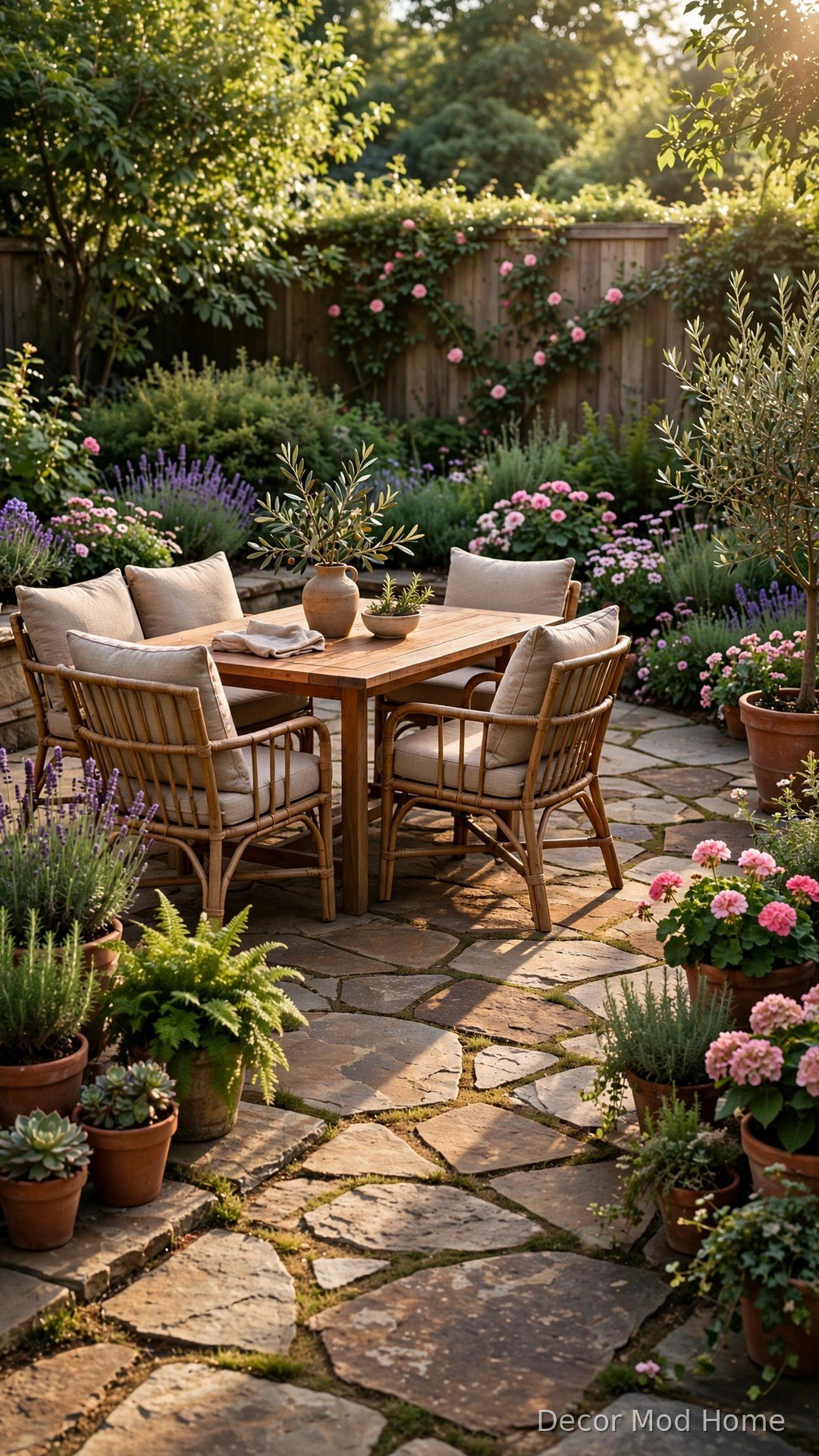
A patio is the living room of the backyard, and natural stone gives it a timeless quality that concrete rarely matches. Flagstone, bluestone or sandstone laid on a compacted gravel base creates a surface that’s sturdy, attractive and forgiving of frost. Size it generously — most people wish they’d gone bigger — and leave room for a dining set plus a separate lounging zone. Soften the edges with planting pockets between stones and low borders around the perimeter so the patio feels like part of the garden rather than a slab in the lawn. Add a rug made for outdoor use and you’ve created a room that just happens to have the sky for a ceiling.
9. Plant a Privacy Hedge Along the Fence
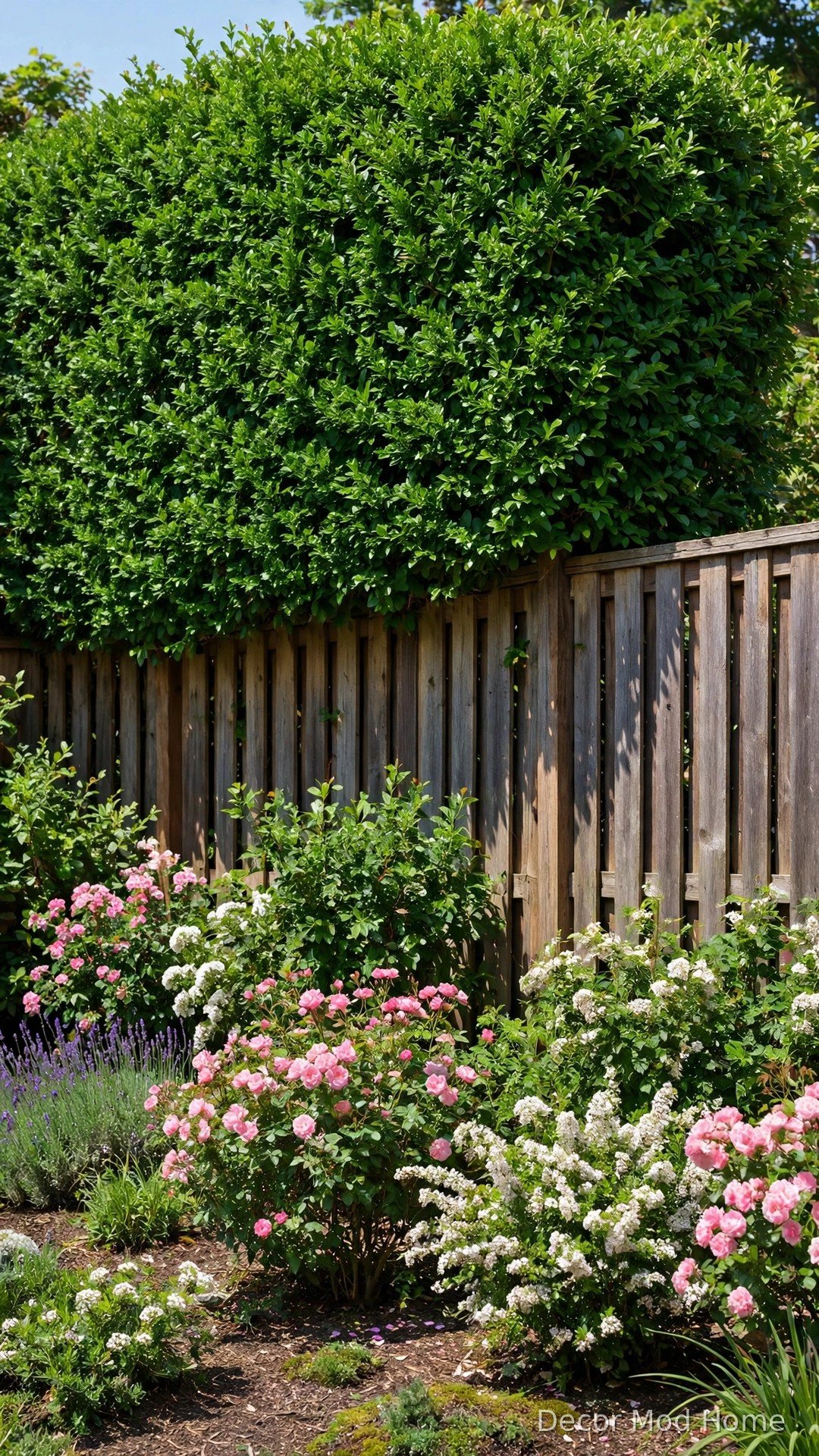
If your fence makes you feel hemmed in rather than sheltered, a living hedge changes everything. Dense evergreens like arborvitae, laurel or yew create a soft green wall that blocks views and muffles neighbourhood noise far better than bare fencing. Layer flowering shrubs in front so the border looks intentional from day one. A hedge needs annual trimming to stay tidy, but in exchange you get year-round privacy and a garden that feels like a private retreat rather than a shared lot.
10. Add a Water Feature for Sound and Movement

The gentle sound of moving water masks traffic noise and adds a sense of calm that no plant can replicate. You don’t need a grand pond — a small bubbling rock, a ceramic fountain or a compact container water garden delivers the same sensory magic. Place it where you’ll hear it from your favourite seat, and where it’s visible from indoors so you enjoy it in all seasons. Self-contained kits with hidden reservoirs make installation a weekend project with no plumbing required. Keep the water topped up in hot weather and clean the pump filter monthly, and your feature will burble happily for years.
11. Build a Pergola for Shade and Structure

A pergola gives a patio instant architecture — height, shade and a frame that makes the seating area feel like a destination. Cedar or pressure-treated timber kits make the build straightforward for a confident DIYer, and climbing plants like wisteria, clematis or grapevines turn the bare frame into a living roof within a couple of seasons. Orient the rafters to block the harshest afternoon sun while letting morning light through. Add an outdoor chandelier or string lights beneath, and the pergola becomes the evening centrepiece of the garden. It’s one of the few structures that improves as it ages.
12. Mulch Every Bed for a Polished Look

Ask any landscape designer for the cheapest instant upgrade and they’ll say the same thing: mulch. A fresh three-inch layer of bark mulch makes planting beds look rich and intentional while suppressing weeds, retaining moisture and feeding the soil as it breaks down. Dark brown hardwood mulch makes green foliage pop and gives the whole garden a cohesive, professional finish. Top it up each spring after clearing out winter debris — a wheelbarrow afternoon that transforms the entire yard. Keep mulch pulled back a few inches from stems and tree trunks to prevent rot, and avoid the volcano-shaped piles that harm roots.
13. Create a Pollinator-Friendly Flower Border

A border designed for bees and butterflies is as joyful to watch as it is to plant. Choose single-flowered varieties — coneflowers, bee balm, lavender, salvia and asters — in drifts of one colour so pollinators can spot them from afar. Aim for continuous bloom from spring to autumn by mixing early bulbs, summer perennials and autumn-flowering asters. Skip pesticides entirely and let a corner go slightly wild with a few seed heads left standing for winter birds. You’ll be rewarded with a garden that hums with life all summer and changes colour from May through October. It’s landscaping that feels good in every sense.
14. Design a Lawn-Free Zone with Ground Covers
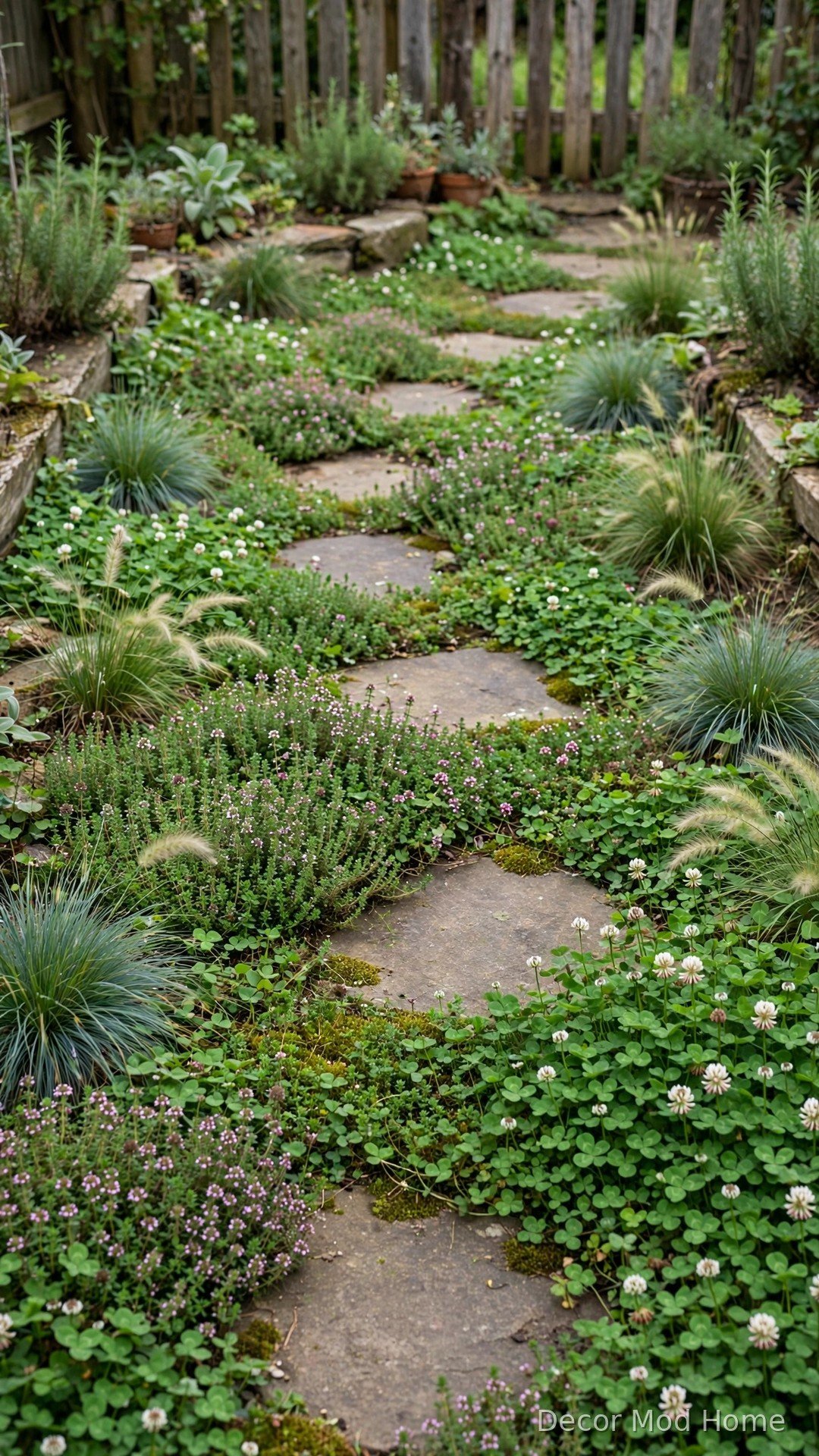
Lawns are thirsty, mowing-hungry and honestly a bit dull. Converting even part of yours to ground covers cuts maintenance dramatically. Creeping thyme, clover, sedum and low-growing junipers form living carpets that need no mowing and far less water once established. Prepare by smothering the old grass with cardboard and mulch for a few weeks, then plant the ground covers in a grid so they knit together quickly. Weave stepping stones through for access and plant a few ornamental grasses for height. The result is a softer, more interesting garden floor that looks intentional — and frees up your Saturday mornings.
15. Add Colourful Container Plantings

Containers are the quickest way to add colour exactly where you want it — by the door, on the patio, or brightening a dull corner. Group pots in odd numbers of varying heights for a styled look, and choose large containers over small ones; they dry out more slowly and make a bigger impact. The classic thriller-filler-spiller recipe works every time: one upright statement plant, bushy flowers around it, and trailing plants cascading over the edge. Refresh the planting each season — spring bulbs, summer annuals, autumn mums — and your garden always looks current with minimal effort. Self-watering inserts are worth every penny in hot climates.
16. Build a Stone Retaining Wall for Slopes

A sloped backyard isn’t a problem; it’s an opportunity. Terraced retaining walls turn an awkward hill into a series of level, plantable platforms, each one a mini garden in its own right. Dry-stacked natural stone suits cottage and rustic styles, while sleek concrete blocks fit modern homes — both can be DIY projects under a metre high. Behind each wall, add gravel and landscape fabric for drainage so frost and rain don’t push the wall over. Plant the terraces with cascading perennials at the edges and taller shrubs at the back, and a difficult slope becomes the most dramatic feature in the garden.
17. Hang String Lights Over the Seating Area

String lights are the fastest route to that warm, festive atmosphere you see in restaurant patios. Drape weatherproof festoon lights between the house and a tree, across a pergola, or on sturdy posts set around the seating area. Hang them with a gentle sag rather than pulled taut — the swag is what looks romantic. Warm-white bulbs around 2700K flatter faces and food alike; avoid cool blue tones that feel clinical. Plug them into an outdoor timer or a smart plug so they switch on at dusk automatically. On a budget, one or two strands over the dining table deliver most of the magic for very little money.
18. Add a Garden Arch or Trellis Entryway

An arch or trellis does something almost magical: it turns walking into the garden into an occasion. Place one at the entrance to a path, over a garden gate, or as a transition between the lawn and the planting beds. Wooden arches suit traditional gardens; slim metal obelisks look right in modern spaces. Plant one climbing rose or clematis at each side and, with a season or two of patience, you’ll have a flowering doorway. Keep the structure scaled to its setting — too small looks lost, too large overwhelms. It’s a small build with an outsized payoff in charm.
19. Plan for Four-Season Interest

Most backyards peak in June and vanish by November, but a little planning keeps yours beautiful all year. Anchor the garden with evergreens — boxwood, holly, conifers — so the structure holds when flowers fade. Add plants with winter gifts: red-berried holly, bark that glows like river birch, ornamental grasses that stand through snow, and early bulbs that arrive before spring officially does. When you look at a new plant, ask what it offers in its off-season, not just its bloom week. A garden designed for all four seasons rewards you every single day of the year, and it’s the mark of truly brilliant landscaping.
Frequently Asked Questions
How much does backyard landscaping usually cost?
It varies enormously, but a modest DIY makeover using plants, mulch, gravel paths and simple structures typically runs from a few hundred to a few thousand pounds. Patios, retaining walls and professional designs push costs higher. The smartest approach is to phase the work: start with beds, mulch and planting in year one, then add the patio, lighting and structures in later seasons. Phasing spreads the cost and lets you live with the garden before committing to the big-ticket items.
What is the easiest way to start landscaping a blank backyard?
Begin with layout, not plants. Define your patio or seating area, sketch curved bed lines with a garden hose, and mark a path between them. Then build the bones — beds, edging, path and soil improvement — before buying a single plant. Mulch everything once the bones are in. This order prevents the classic beginner mistake of buying plants first and having nowhere sensible to put them. One weekend of layout work makes every purchase after it smarter.
How do I make a small backyard look bigger?
Curved paths, layered planting and hidden corners all create the illusion of more space. Keep the centre of the garden relatively open and push planting to the edges so the eye travels outward. A diagonal path or patio draws the gaze across the longest line of the garden. Mirrors are gimmicky, but a focal point at the far end — a bench, an urn, a small tree — genuinely pulls the eye and makes the garden feel deeper than it is.
Which plants are best for low-maintenance landscaping?
Choose plants suited to your climate and soil, then group them by water needs so irrigation is simple. Evergreen shrubs, ornamental grasses, hardy perennials like coneflowers and salvias, and ground covers instead of fussy annuals all slash maintenance. Mulch beds deeply, install drip irrigation on a timer, and accept that a slightly wilder, naturalistic style needs far less fussing than a formal one. The lowest-maintenance garden is the one planted with the right plants in the right places.
Your Backyard, Brilliantly Transformed
You don’t need a landscaping crew or a five-figure budget to create a backyard you love — you need a plan and a starting point, and these 19 brilliant backyard landscaping ideas have given you both. Pick the one that excites you most and start this weekend. Small changes compound beautifully in a garden, and by next season you’ll be looking out at a space that feels entirely yours. If this list sparked ideas, share it with a friend who’s dreaming of a better backyard — and tell us in the comments which project you’re tackling first. Your garden transformation starts right here.