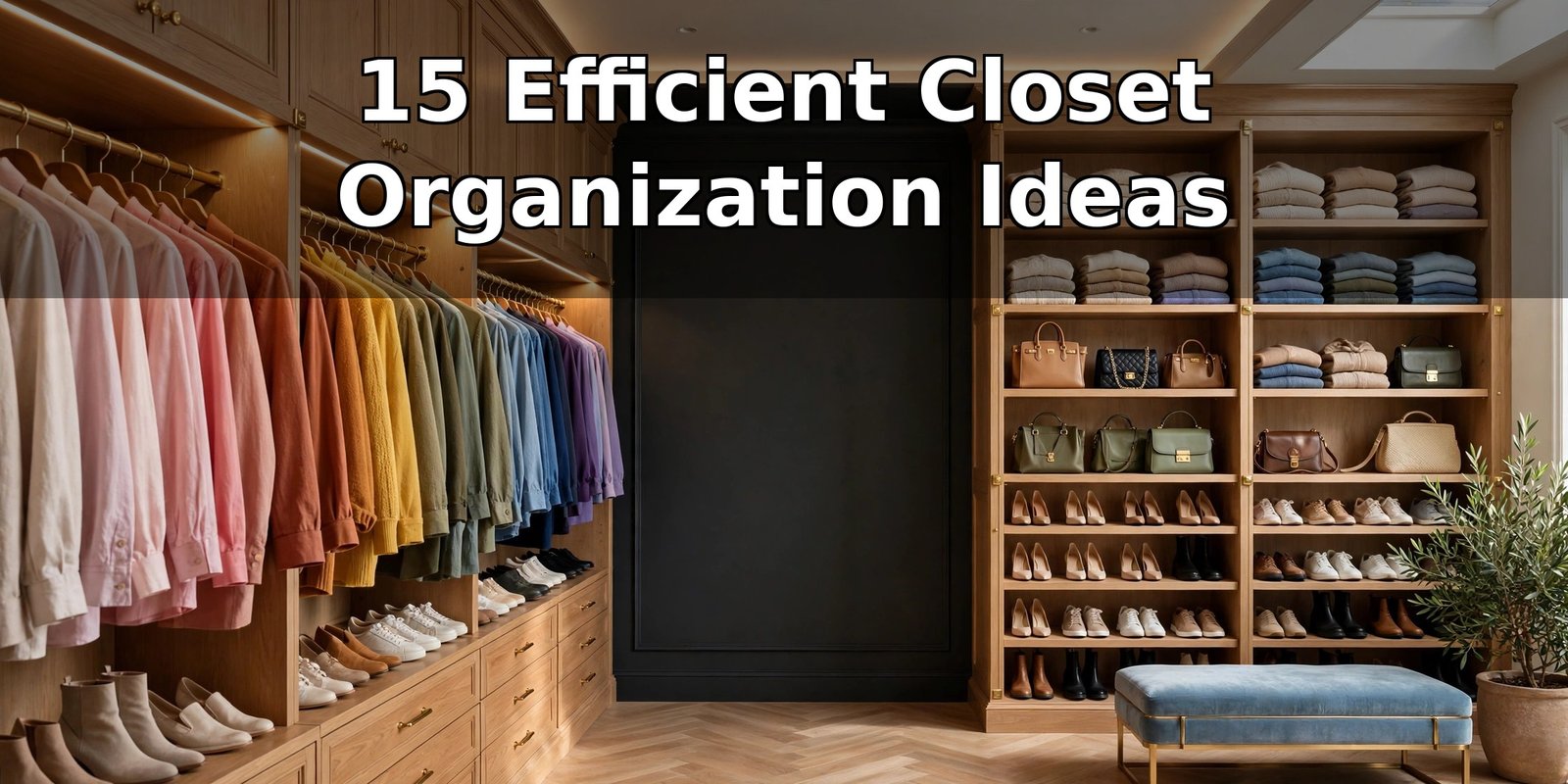
15 Brilliant Closet Organization Ideas for Small Spaces
If your mornings start with digging through a mountain of clothes, you’re not alone. These efficient closet organization ideas will transform even the most chaotic wardrobe into a calm, easy-to-use space. You don’t need a custom boutique wardrobe or a walk-in the size of a bedroom — most of these upgrades cost little or nothing and can be fin
1. Do a Full Closet Reset Before You Organize
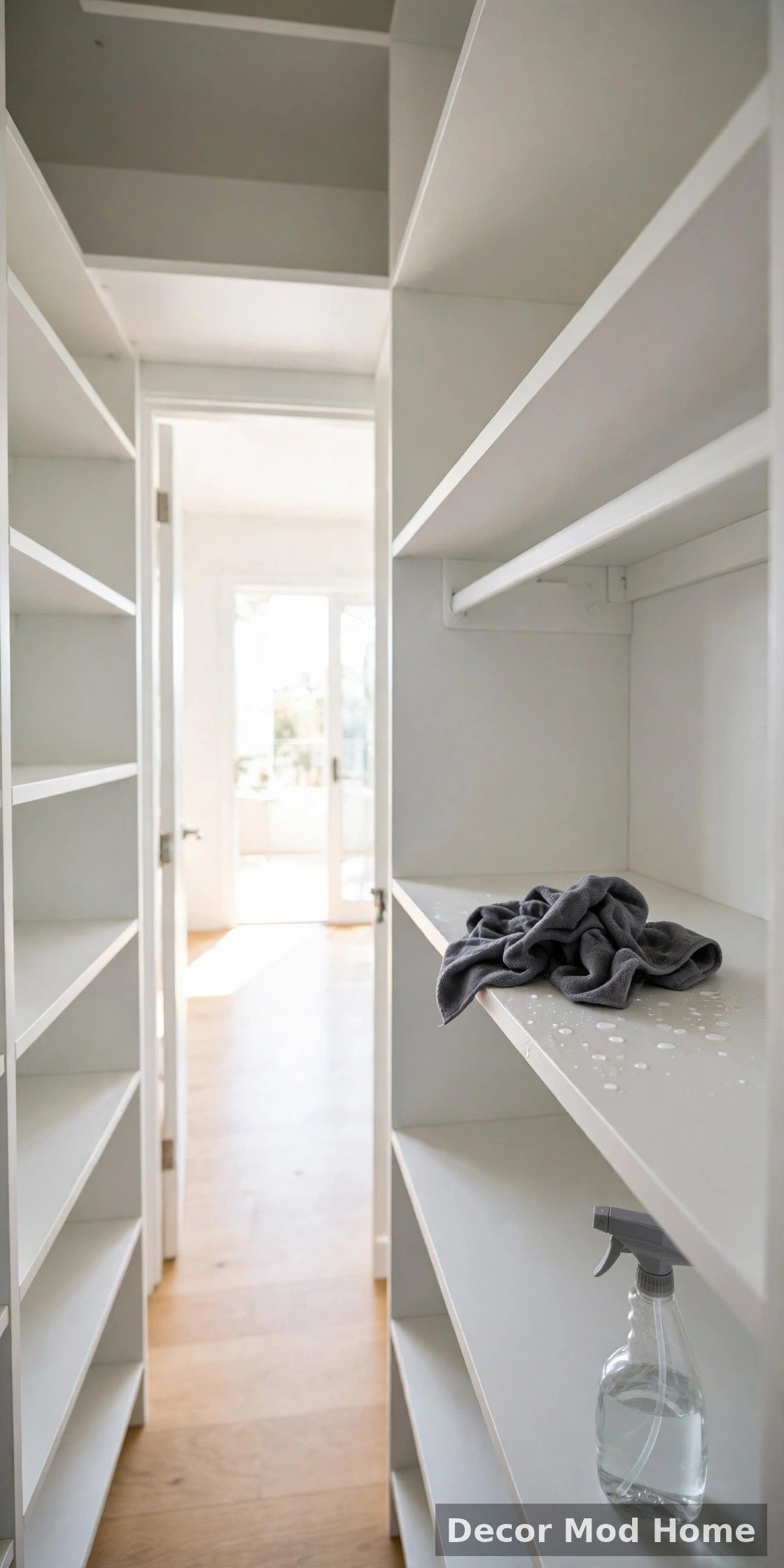
Before buying a single bin or hanger, pull everything out of the closet and sort it on the bed. This full reset lets you see exactly what you own, and it’s the only way to make honest decisions about what stays. Create four piles: keep, do
2. Zone Your Closet Like a Store

Retailers arrange their shelves so
How often should I declutter my closet?
A quick review twice a year, timed with seasonal changeovers, is ideal for most people. Use the reverse-hanger trick to spot unworn items objectively, and keep a donation bag inside the door for year-round exits. A ten-minute weekly reset handles the daily drift — rehanging, refolding, and returning shoes — so the big declutters stay small. If you shop often, tighten the rhythm: one in, one out keeps the volume constant and forces honest decisions before new pieces ever enter the closet.
How can I keep my closet organized with limited budget?
Start with free wins: the full reset, folding instead of hanging knits, zoning by category, and the reverse-hanger trick cost nothing. Dollar-store bins, tension rods for a second rail, and DIY shelf dividers from cardboard cover most storage needs for very little. Matching hangers bought in bulk packs are the best value upgrade per pound. Spend first on whatever solves your biggest pain point — usually more rail space or better shoe storage — and add pieces gradually. An organized closet is mostly about systems and habits, not expensive fittings.
Your Closet, Only Calmer
You don’t need a renovation to enjoy a closet that works — just a free afternoon, a bit of honesty about what you wear, and a few of the efficient closet organization ideas above. Start with the full reset, add the upgrades that fit your space and budget, and protect it all with the ten-minute weekly habit. Before you know it, getting dressed will feel like browsing your favourite boutique instead of surviving a rummage sale. If you loved these ideas, browse more clever storage and bedroom ideas on decormodhome.com — your dream home is only ever one good idea away.
Frequently Asked Questions
How do I start organizing a really messy closet?
Begin with the full reset: empty everything out so you can see what you own. Sort into keep, donate, repair, and discard piles, and be honest about what you actually wear. Clean the empty space, then put back only the keepers using zones for different categories. Work in stages if the mess feels overwhelming — one section per evening still gets you to a finished closet within a week. The key is to declutter first and organize second, because no storage system can fix a closet stuffed with clothes you don’t wear.
What’s the best way to organize a small closet?
Go vertical and edit ruthlessly. Add a second hanging rod, stackable bins on the top shelf, and hooks on the door to multiply your storage without taking floor space. Keep only in-season clothes in the closet and store the rest in labelled boxes elsewhere. Slim matching hangers save surprising amounts of rail room, and a capsule section of mix-and-match pieces makes a small wardrobe feel generous. Light colours and a mirror on the back wall make the space feel bigger, while a strict one-in-one-out rule stops it filling up again.
15. Label Everything for Long-Term Order
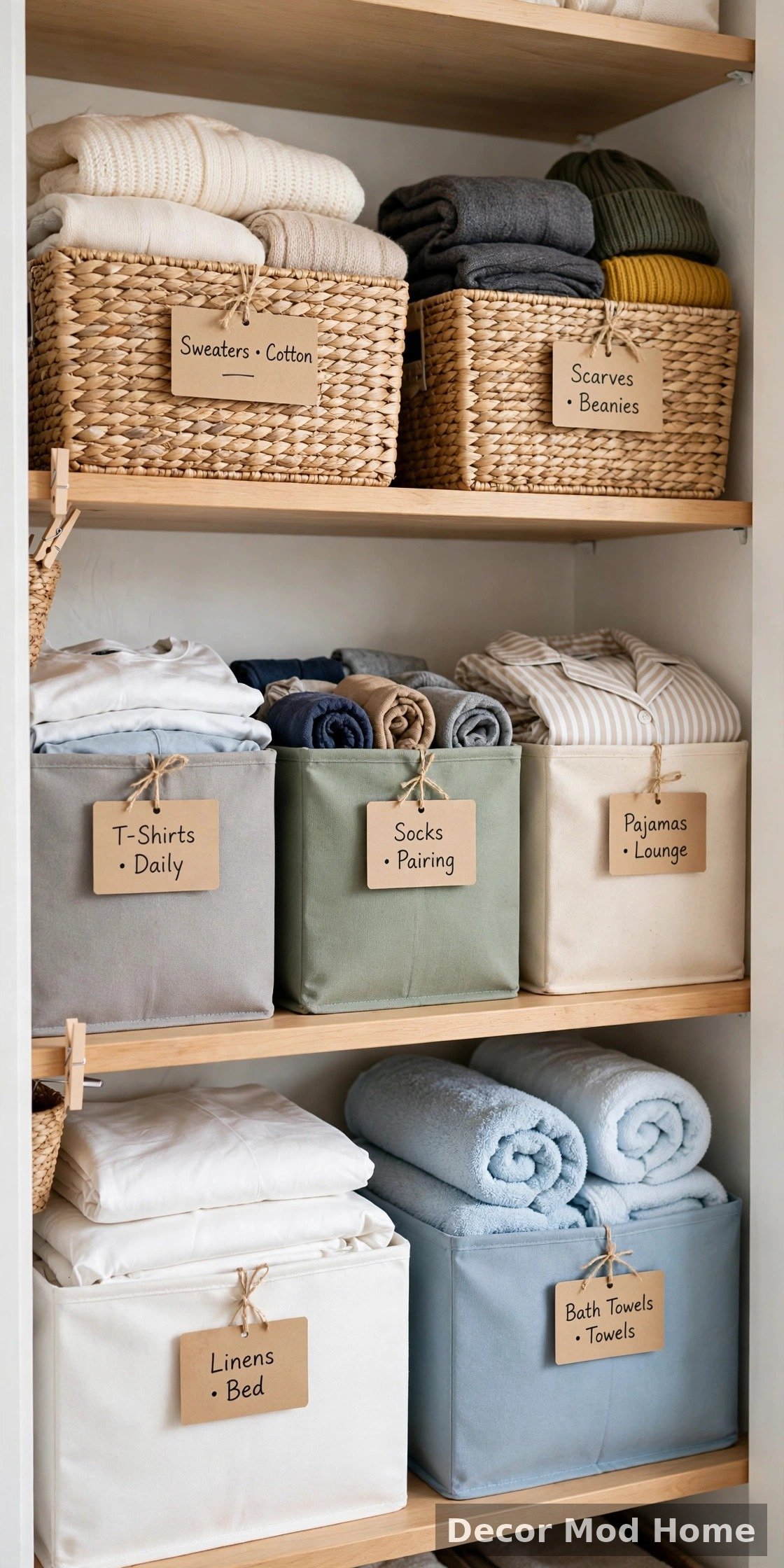
Labels are the unsung hero of lasting closet organization. A simple label maker or set of chalkboard tags turns bins, shelves, and drawers into a self-explanatory system that everyone in the household can follow. Label by category — “winter scarves”, “gym tops”, “evening bags” — rather than by vague terms like “misc”. When every container announces its contents, putting things back takes seconds instead of decisions, and other family members stop asking where things live. Update labels as the seasons change so they stay accurate. This finishing touch locks in all your hard work and keeps the closet running smoothly long after the initial excitement fades.
14. Maintain with a Ten-Minute Weekly Reset
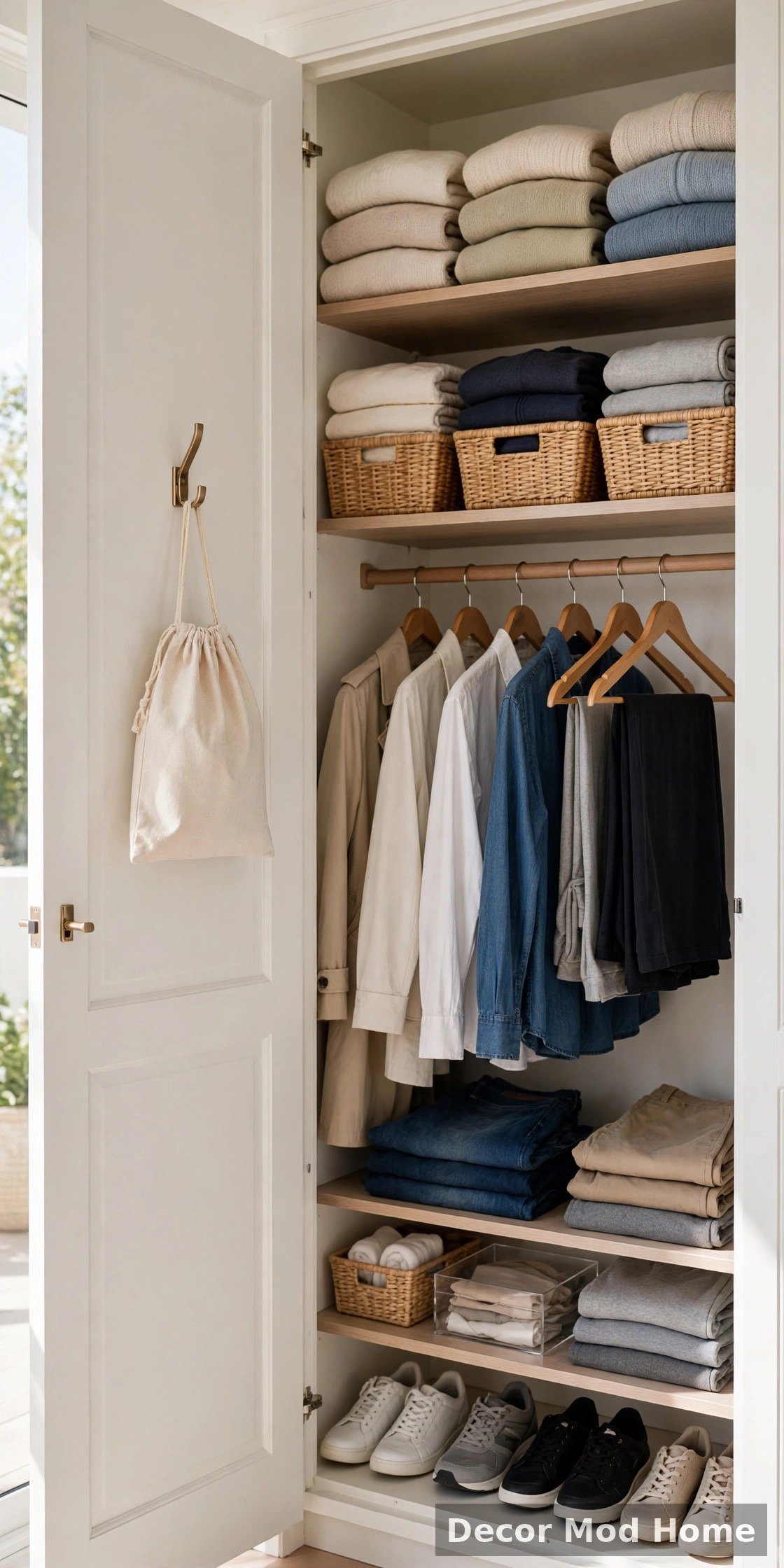
Even the best-organized closet drifts toward chaos without maintenance, so build in a tiny weekly reset. Every Sunday evening, spend ten minutes rehanging stray clothes, refolding toppled stacks, returning shoes to their spots, and tossing anything that belongs in the laundry. Keep a small donation bag hooked inside the door so items you’re done with leave the house regularly instead of creeping back onto shelves. This habit prevents the slow slide that leads to another full weekend cleanout. Consistency beats intensity: a closet that gets ten minutes of attention each week stays effortlessly tidy all year, and future you will be grateful every single morning.
13. Build a Capsule Wardrobe Section
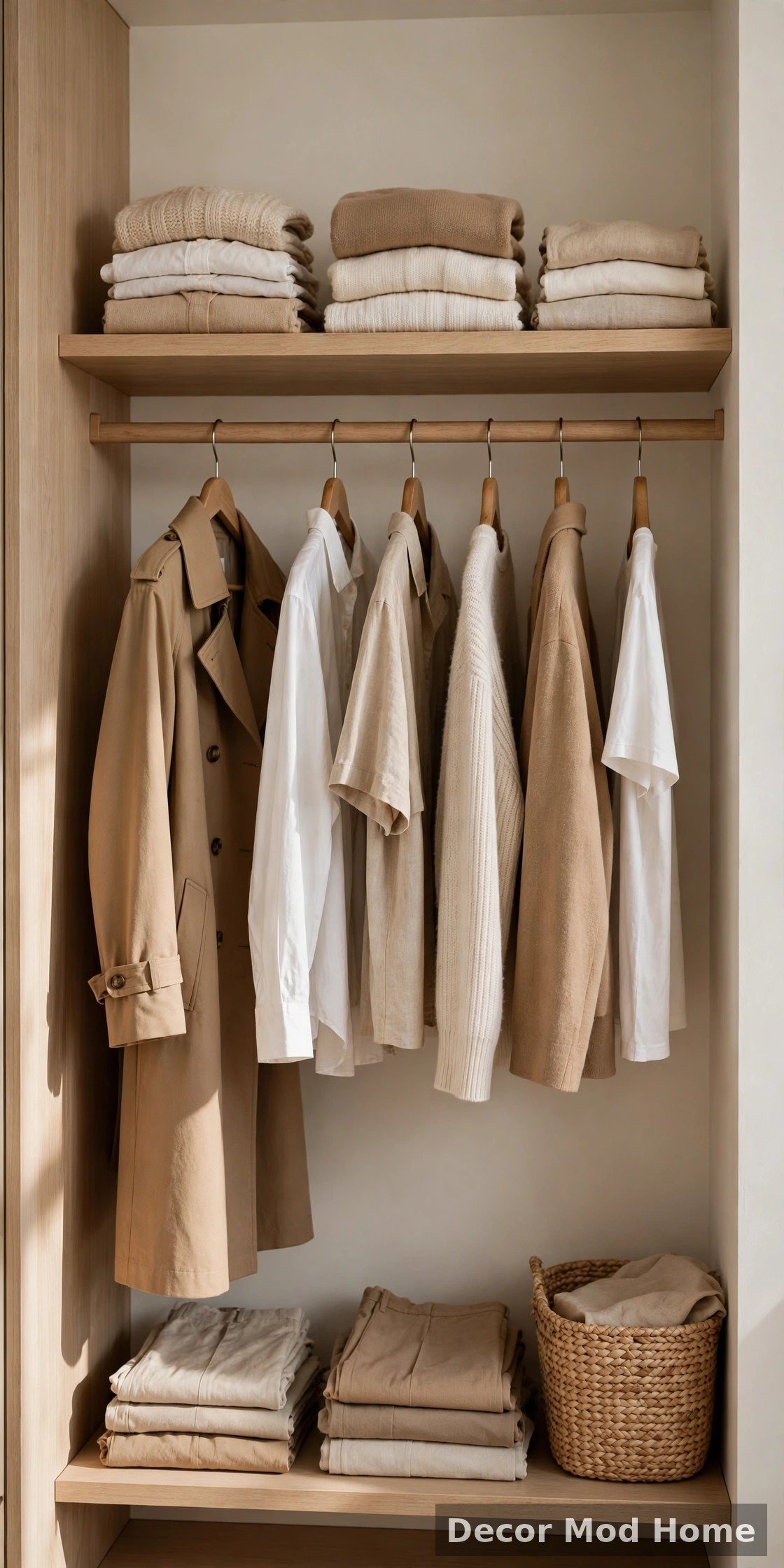
A capsule wardrobe — a small collection of versatile pieces that all mix and match — cuts morning decisions to almost zero. Dedicate one rail or shelf section to your capsule: neutral basics, a few statement pieces, and shoes that pair with everything. Store the rest of your wardrobe elsewhere in the closet so the capsule stays visually clean and grabbable. When each piece coordinates with the others, you can assemble outfits in seconds and you genuinely wear more of what you own. Rotate capsules seasonally, storing off-season clothes in labelled bins up high. This approach is perfect for busy mornings, frequent travellers, and anyone overwhelmed by too much choice.
12. Make Small Closets Work Harder Vertically
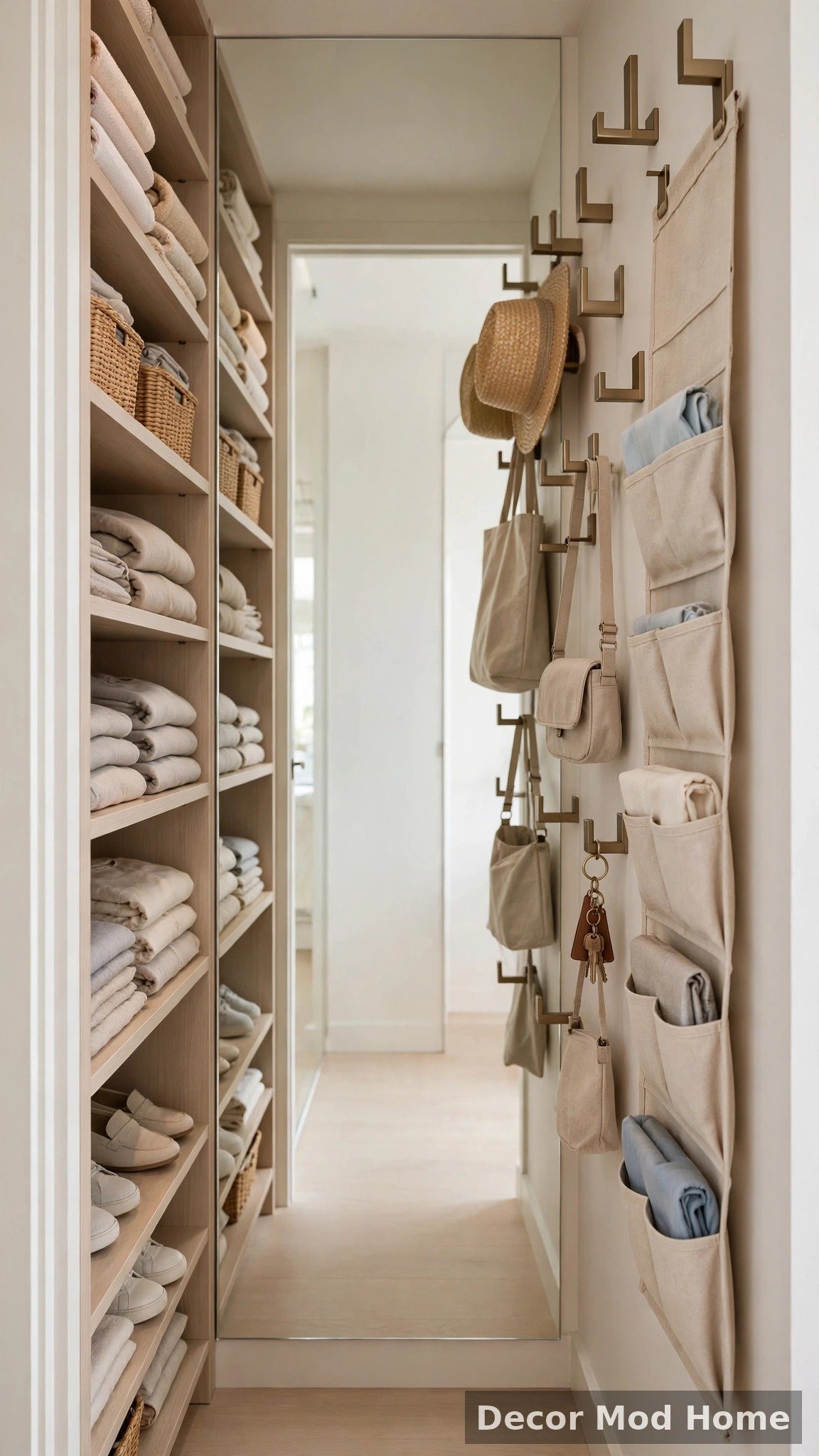
When floor space is tiny, the only way is up. Floor-to-ceiling systems — tall narrow shelving units, vertical hanging organizers, and hooks at staggered heights — squeeze capacity out of every centimetre of wall. Use the very top for luggage and seasonal storage in labelled boxes, and the lowest shelf for daily shoes. Slim pull-out drawers fit into gaps that standard furniture misses. Keep the colour palette light and add a mirror to the back wall so the space feels bigger than it is. The golden rule of small closets is ruthless editing: with limited room, every item must earn its place. Less stuff plus more vertical storage equals a surprisingly functional wardrobe.
11. Light It Up for Better Visibility
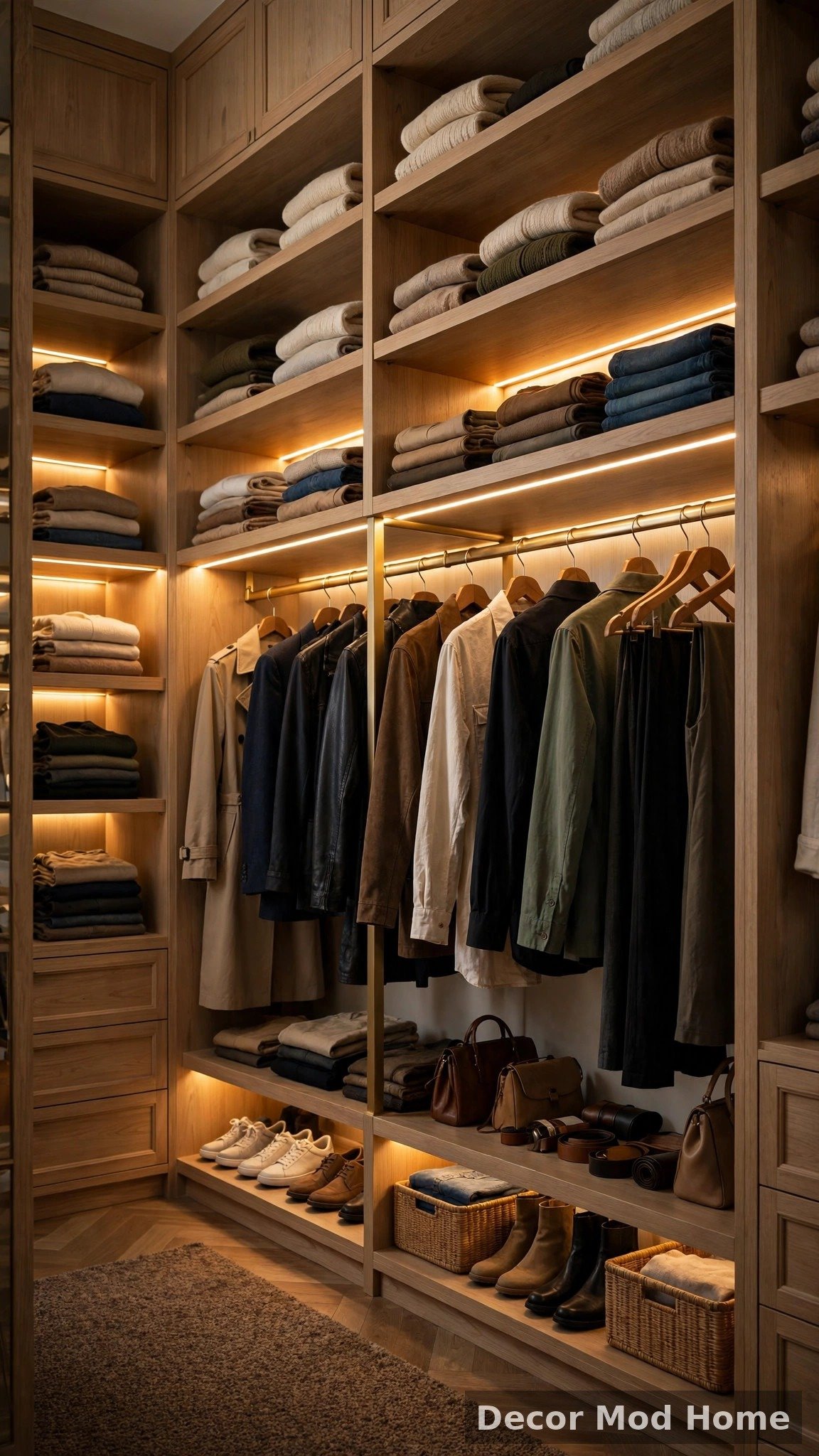
A dark closet makes even an organized space feel chaotic, because you can’t find what you can’t see. Battery-operated motion-sensor LED strips cost very little and transform the space in minutes — they switch on when you open the door and off when you leave. Stick them under shelves, along the sides, and above the rail so every zone glows. Good lighting makes colours read accurately, which means fewer mornings ruined by mismatched outfits. For walk-ins, a brighter overhead fitting plus a mirror turns the space into a proper dressing area. Never overlook this upgrade: visibility is the difference between an organized closet and one that just looks organized in a photo.
10. Try the Reverse-Hanger Declutter Trick
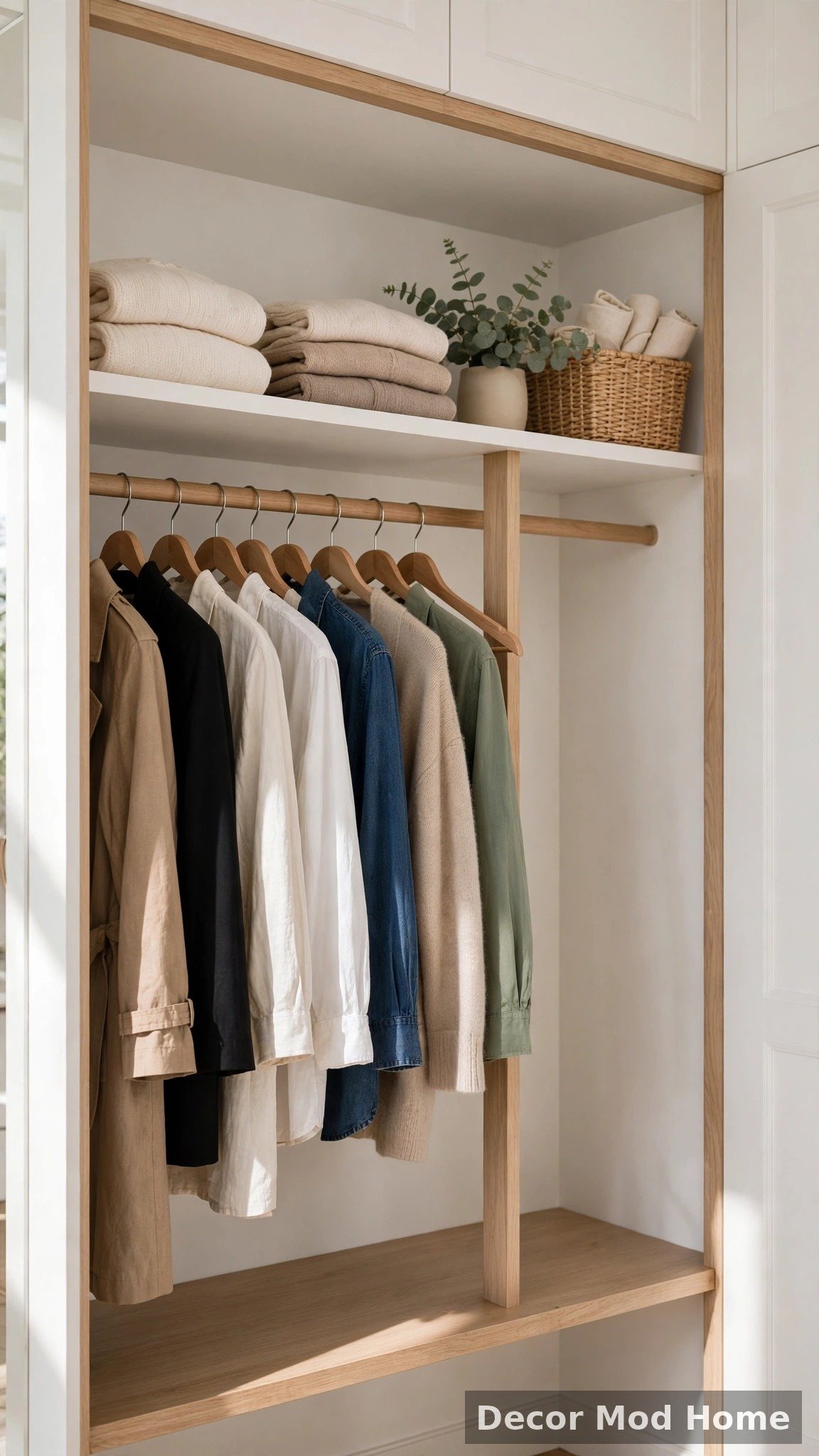
Here’s a painless way to discover what you never wear: turn every hanger backwards on the rail, and flip each one to the normal position only after you wear and return that garment. After three to six months, every still-backwards hanger marks a candidate for donation. This method removes emotion from decluttering because the evidence is right in front of you — you didn’t reach for it all season. It works for folded items too, using a simple front-of-stack system. Schedule this review twice a year, ideally at seasonal changeovers, and your closet will stay naturally edited. Fewer unworn clothes means more room for the pieces you love.
9. Corral Accessories with Trays and Dividers
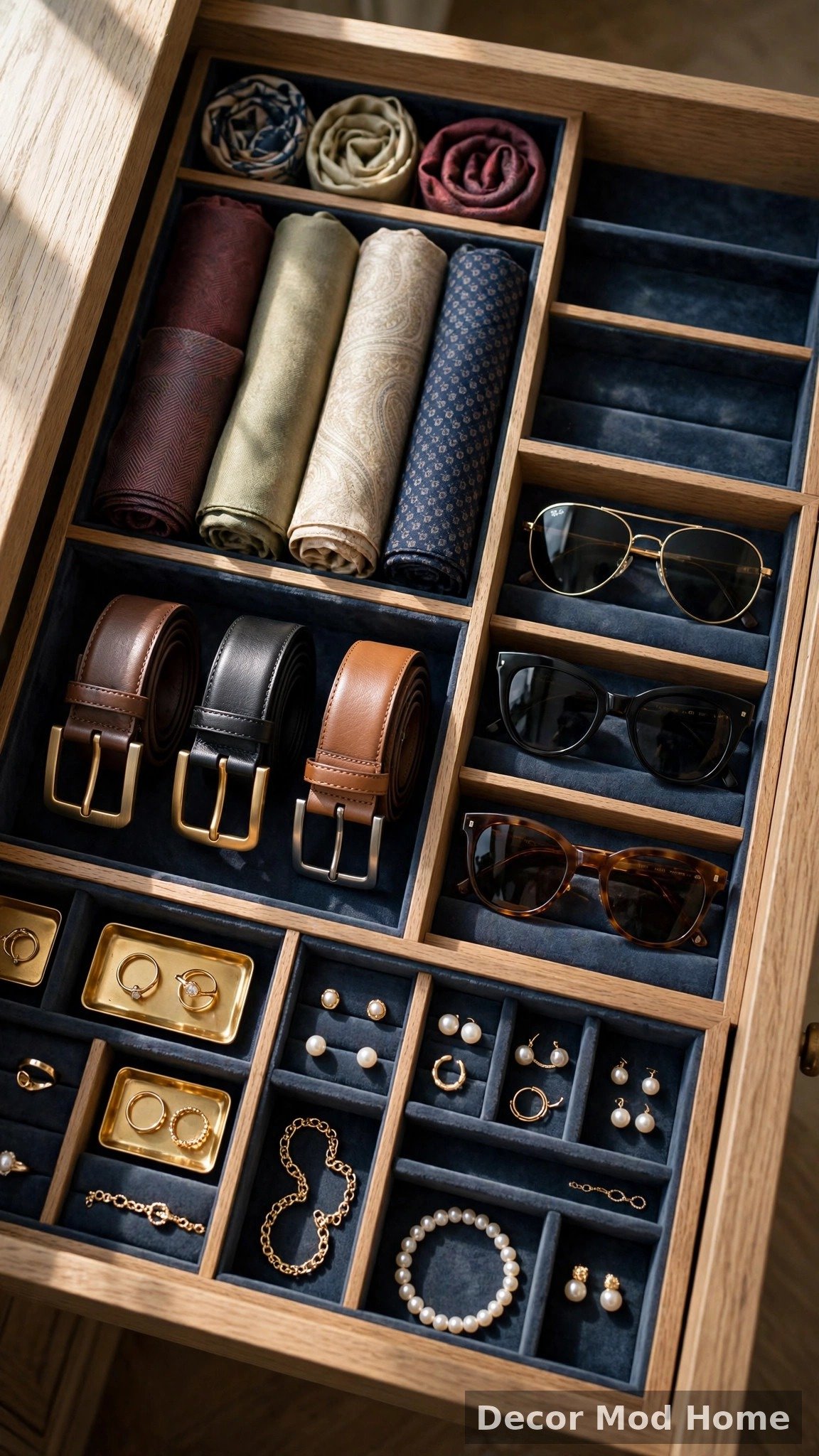
Belts, scarves, ties, sunglasses, and jewellery vanish into drawers and tangle into knots without a system. A shallow drawer fitted with dividers or a set of small trays keeps every category separated and visible. Roll scarves instead of folding them, hang belts on a pull-out rack or hooks, and give watches and sunglasses their own lined compartments. Wall-mounted pegboards or floating shelves work well in walk-ins for bags and hats. When accessories have designated spots, getting dressed becomes faster and your pieces stay in better condition. It also ends the classic morning treasure hunt for a matching pair of earrings.
8. Create a Shoe Strategy That Actually Works
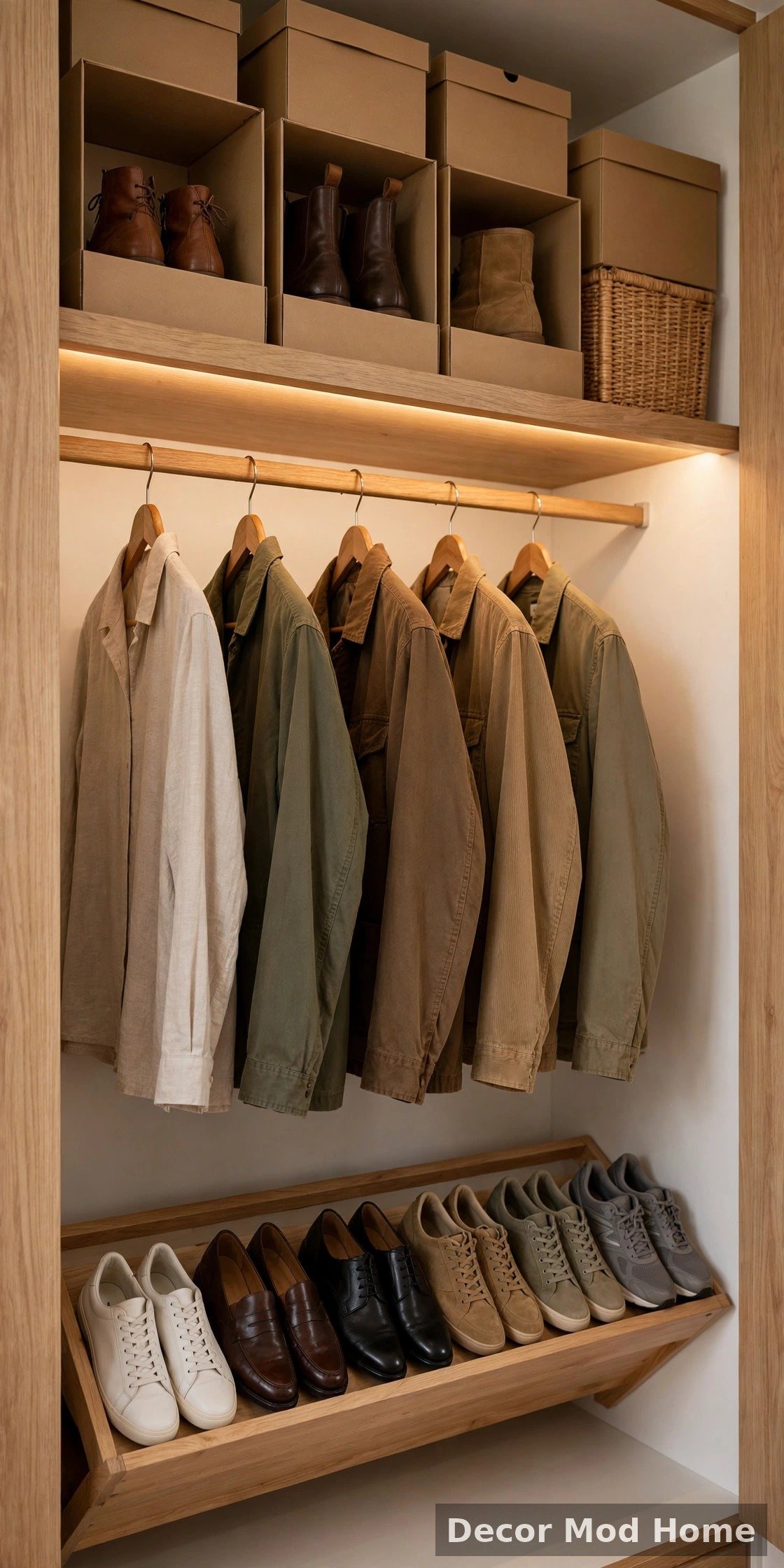
Shoes multiply fast and eat floor space if you let them wander. Start by pairing every shoe and capping your collection at what your storage honestly holds — one in, one out is the rule that keeps the pile from growing. Store everyday pairs on an angled shoe rack or clear stackable boxes at the front, where you can grab them quickly. Off-season boots and special-occasion heels go higher up or in labelled boxes with a photo of the contents on the outside. Never stack shoes in a heap, because the ones at the bottom disappear and get ruined. A slim shoe rack that fits under hanging clothes turns dead floor space into an efficient shoe station.
7. Fold Heavy Knits — Never Hang Them
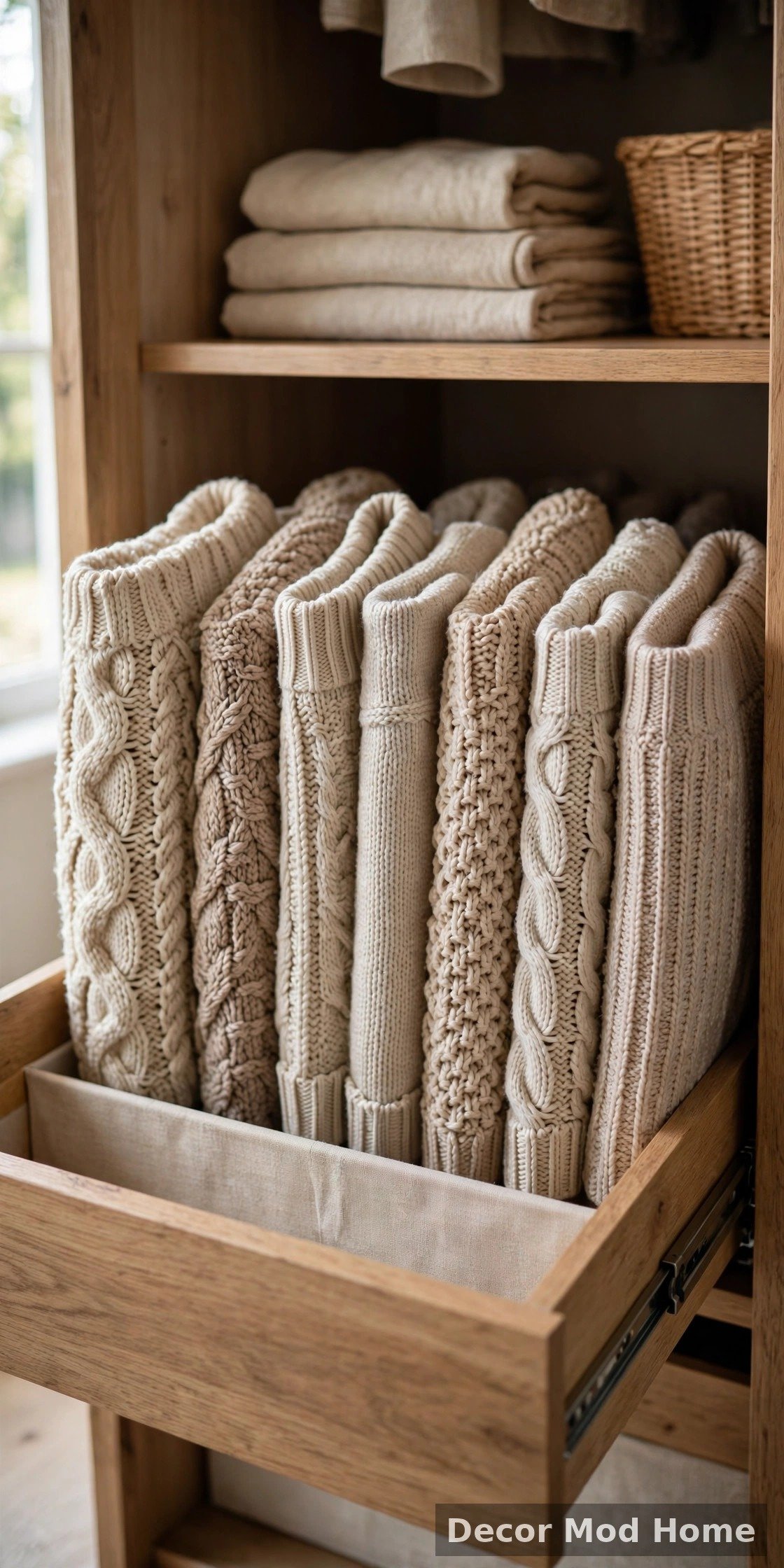
Chunky jumpers and cardigans stretched over hangers develop those dreaded shoulder bumps and sag out of shape within weeks. Folding them is kinder to the fabric and surprisingly more space-efficient. Use the file-folding method, standing each fold upright in a drawer or bin like a filing cabinet so every item is visible at a glance. Shelf dividers keep stacks neat and stop towers from toppling. Reserve your rail for woven shirts, blouses, jackets, and dresses that genuinely need hanging. This one habit extends the life of your knitwear and frees up precious rail space for items that actually belong there. Your favourite jumpers will thank you every winter.
6. Add Stackable Shelves Above the Rail
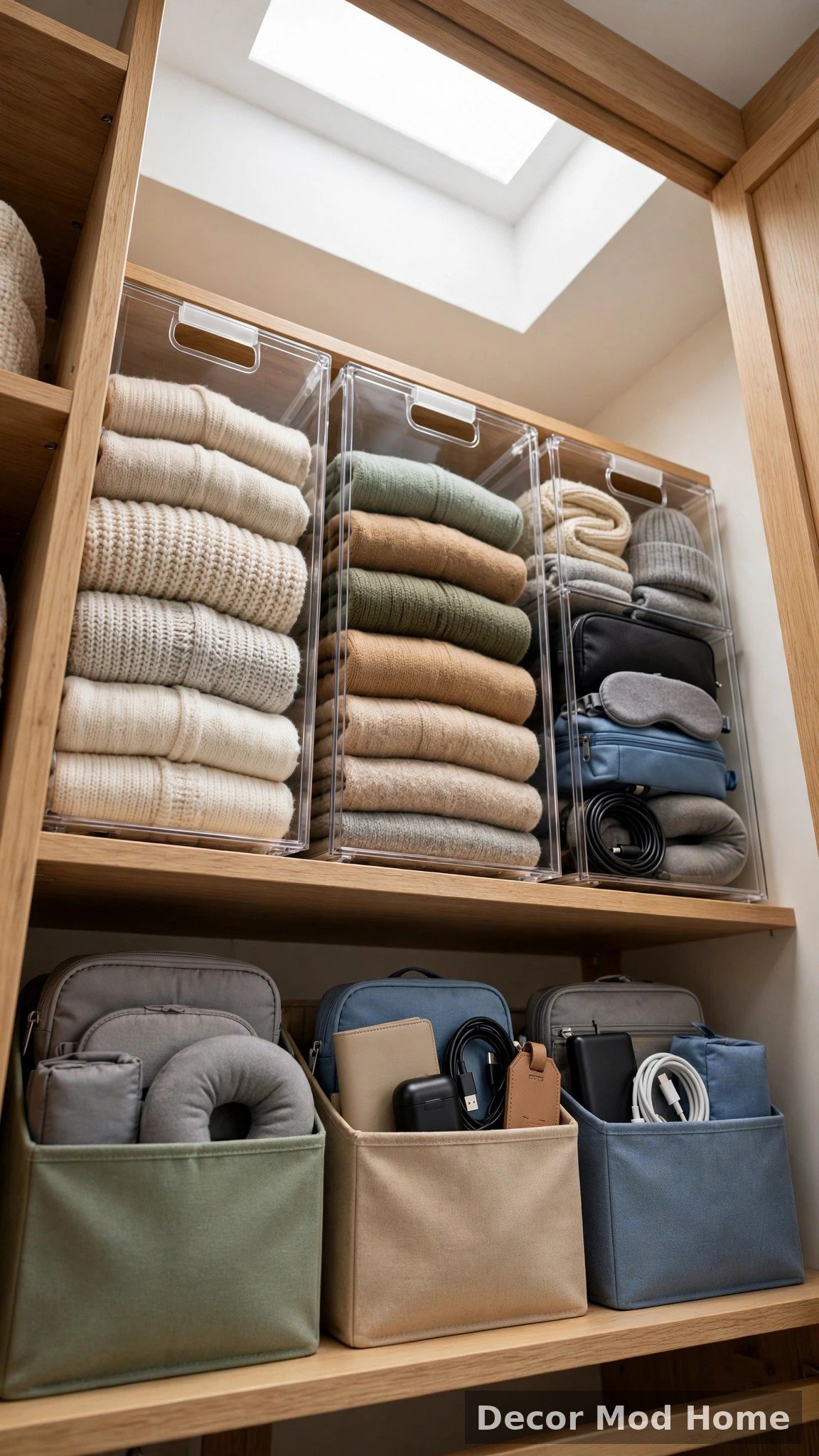
The shelf above the hanging rail is often a dark, unreachable void where things go to be forgotten. Fix it with a row of clear stackable bins or fabric cubes sorted by category: swimwear, off-season knits, travel accessories, and handbags. Because the bins pull out like drawers, nothing gets buried at the back. Keep a sturdy step stool nearby so retrieval is painless — if it’s hard to reach, you won’t put things back. Label each bin so family members can find and return items correctly. Decanting bulky items into these containers also protects them from dust. Used well, that top shelf becomes some of the most valuable storage in the entire closet.
5. Use the Door for Hidden Storage
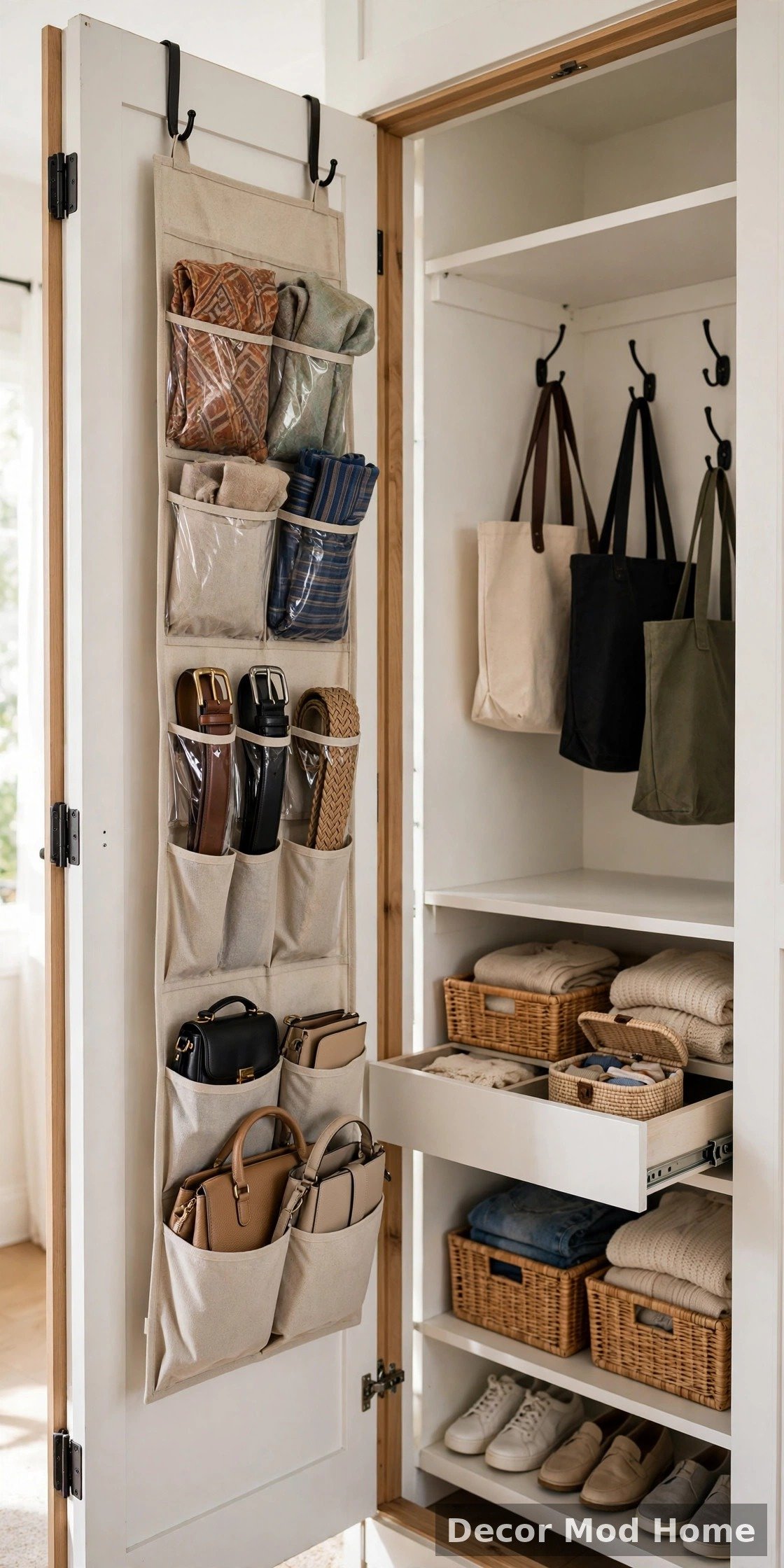
The back of the closet door is prime real estate that most people ignore entirely. Over-the-door hooks or a slim hanging organizer turn it into a home for scarves, belts, handbags, or tomorrow’s outfit laid out the night before. Choose narrow profiles so the door still closes properly, and avoid heavy items that strain the hinges. A clear-pocket organizer works brilliantly for accessories, socks, or small seasonal items because everything stays visible. In shared closets, each person gets their own door hook zone for grab-and-go essentials. This zero-footprint storage adds real capacity without stealing a single centimetre of rail or shelf space, which is why organizers love it.
4. Double Your Rail Space with a Second Rod
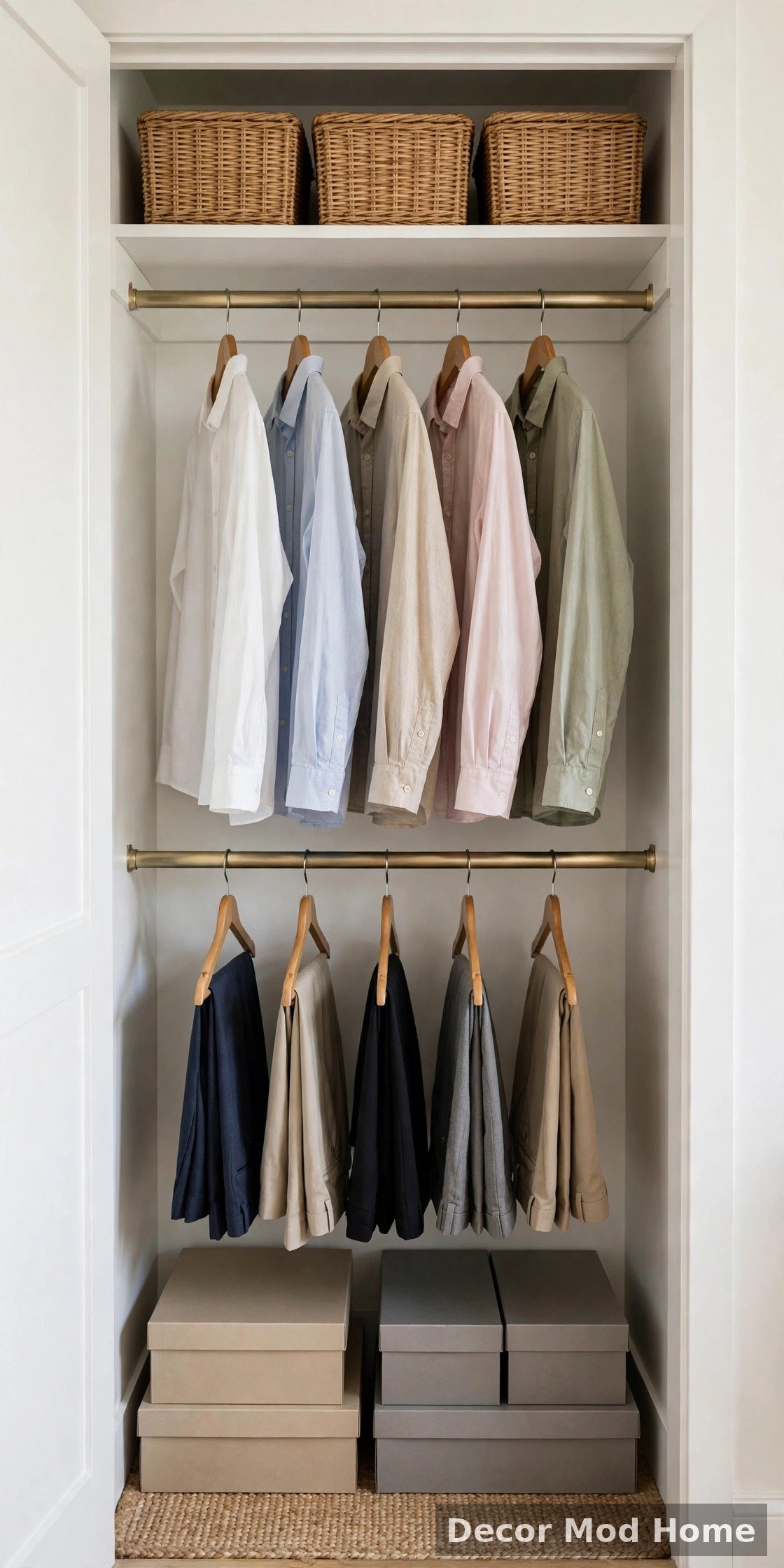
Most closets come with a single high rail that wastes all the vertical space beneath it. Adding a second, lower rod instantly doubles your hanging capacity for tops, shirts, trousers, and children’s clothes. Freestanding tension-rod kits or hang-down extender rods need no drilling, which makes them perfect for rentals. Leave one tall section undivided for long dresses and coats. Position the lower rod high enough that hanging shirts just clear a row of shoe storage or drawers below — that’s a dead zone turned into useful storage. This trick is especially powerful in small reach-in closets, where doubling the rail can mean the difference between cramming clothes and actually seeing them.
3. Switch to Matching Slim Hangers
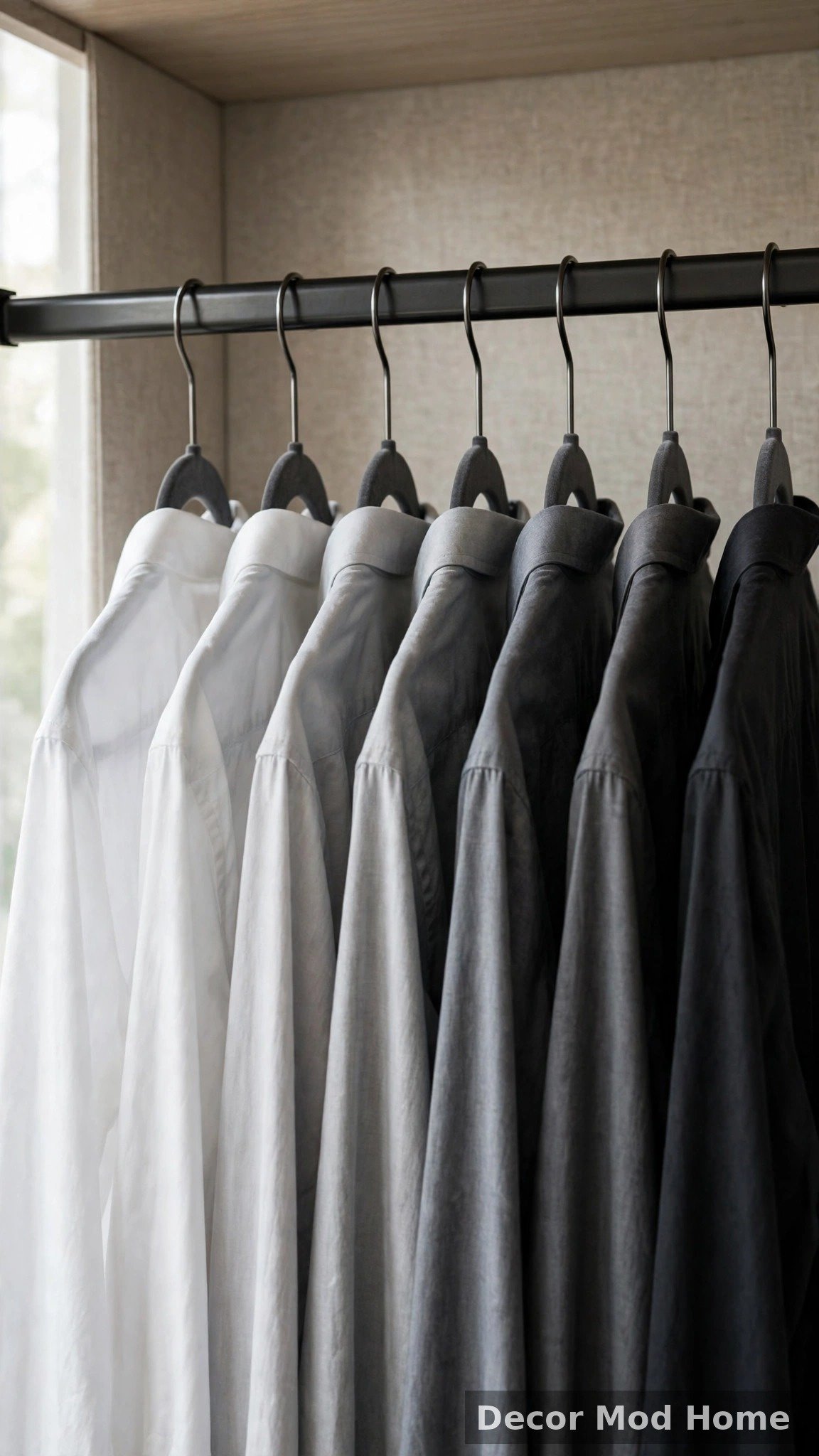
Matching slim velvet hangers are one of the cheapest upgrades with the biggest visual payoff. Bulky wooden and mismatched plastic hangers eat up rail space and make clothes slide around, while slim velvet versions grip garments and let you fit far more per rail. Aim for roughly forty centimetres of rail per outfit category so nothing gets crammed. Keep all hangers facing the same way and sort garments light to dark within each section — your closet will look like a boutique overnight. Donate your old hangers rather than binning them. This one change often creates the illusion of a larger closet, and it’s the foundation every other efficient closet organization idea builds on.
shoppers find things fast, and you can steal that logic for your own closet. Divide the space into zones: everyday wear front and centre, work outfits together, occasion wear in a quieter corner, and gym clothes near a drawer or shelf. Keep shoes low, folded items at eye level, and rarely used pieces up high. When everything has a zone, you stop losing ten minutes every morning deciding what to wear — you simply go to the right section. This approach works beautifully in shared closets too: give each person their own zone so wardrobes never bleed together. Labelling shelves with small stick-on tags makes the zones obvious and keeps the whole family on track.
nate, repair, and discard. Try on anything you’re unsure about — if it doesn’t fit, flatter, or function, it doesn’t earn a spot back on the rail. A closet filled only with things you actually wear is instantly more efficient, because you’re no longer sifting through clutter to reach the good pieces. Once the space is empty, give the shelves and floors a good wipe down. Starting from a clean, empty closet makes every organizing system you add afterward work twice as well.
ished in a single weekend. The secret to a closet that works is simple: every item gets a home, everything is visible, and your most-worn pieces live within easy reach. Whether you’re working with a tiny reach-in or a generous walk-in, the strategies below will help you declutter smarter, store things better, and keep it all tidy long after the weekend cleanout is done.