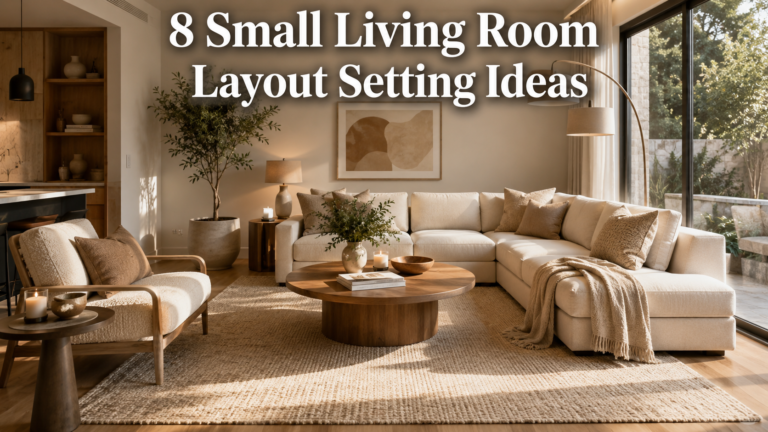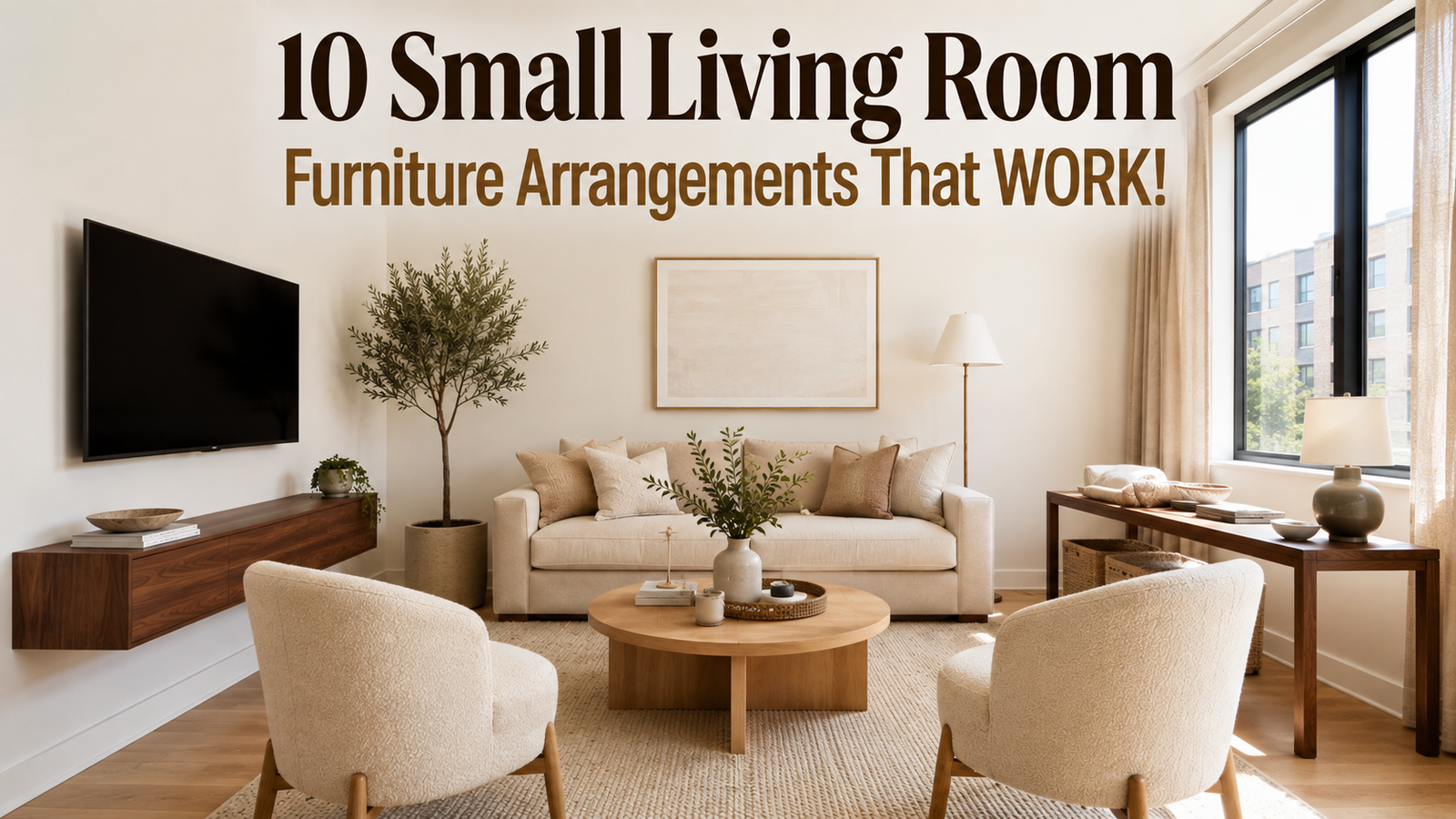
10 Small Living Room Furniture Arrangement Ideas That Actually Work
A small living room can feel cramped surprisingly fast. Push the sofa too close to the wall, add a coffee table that’s too large, or place every piece of furniture around the TV, and suddenly there is barely enough room to walk. The good news is that you don’t need a bigger house to create a comfortable, stylish living area. You need a better plan.
The right small living room furniture arrangement can improve traffic flow, make the room feel more open, and give every piece of furniture a clear purpose. From floating a sofa away from the wall to choosing a compact sectional, these ideas will help you create a living room that feels intentional rather than crowded. Whether you live in an apartment, condo, rental, or small home, these layouts can be adapted to your space.
1. Float the Sofa Away From the Wall
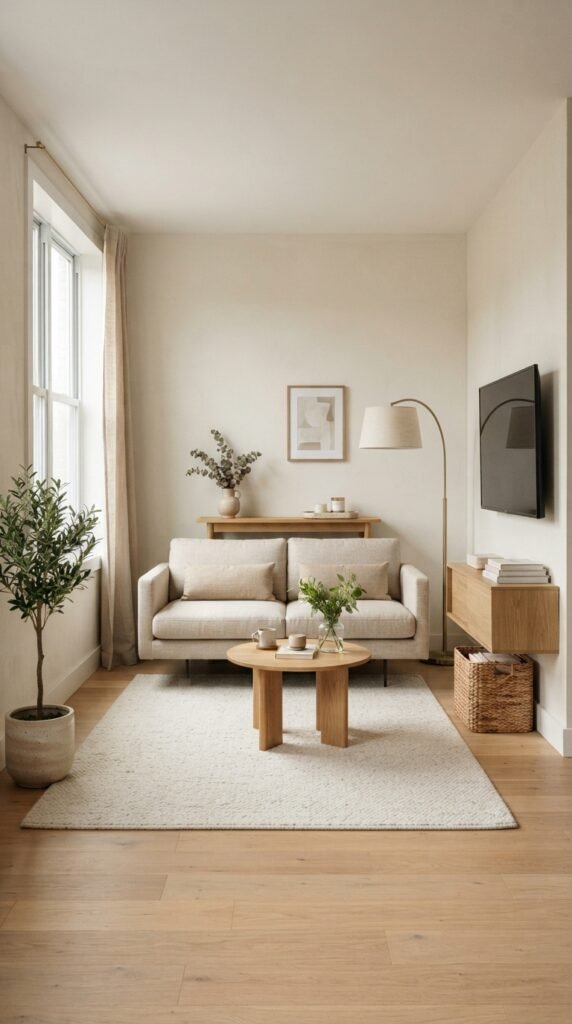
One of the most useful tricks in a compact living room is knowing when not to push the sofa directly against the wall. If your room allows it, pulling the sofa several inches away from the wall can create a more defined seating zone and improve the overall visual balance.
This works especially well when the back of the sofa faces a dining area, entryway, or open kitchen. Place a narrow console table behind it for lamps, books, or baskets without blocking the walkway. The key is to leave enough clearance around the furniture so the room still feels easy to navigate.
2. Choose a Compact Sectional for Maximum Seating
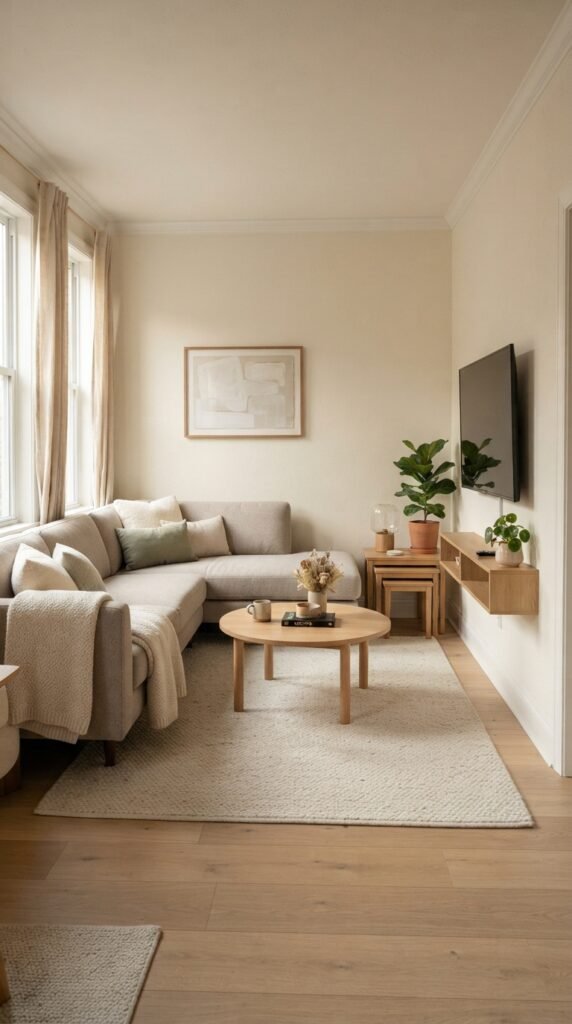
A sectional isn’t automatically a bad choice for a small living room. In fact, an appropriately sized L-shaped sectional can sometimes provide more usable seating than a sofa paired with multiple chairs.
Look for a compact sectional with a relatively shallow depth and low-profile arms. Position the longer side against the longest wall and let the shorter chaise portion extend into the room. This creates a cozy seating zone without requiring several separate pieces of furniture.
The mistake to avoid is choosing a sectional based only on how attractive it looks in a large showroom. Measure the entire room, including doorways, before buying.
3. Create a Conversation Layout Instead of Facing Everything Toward the TV
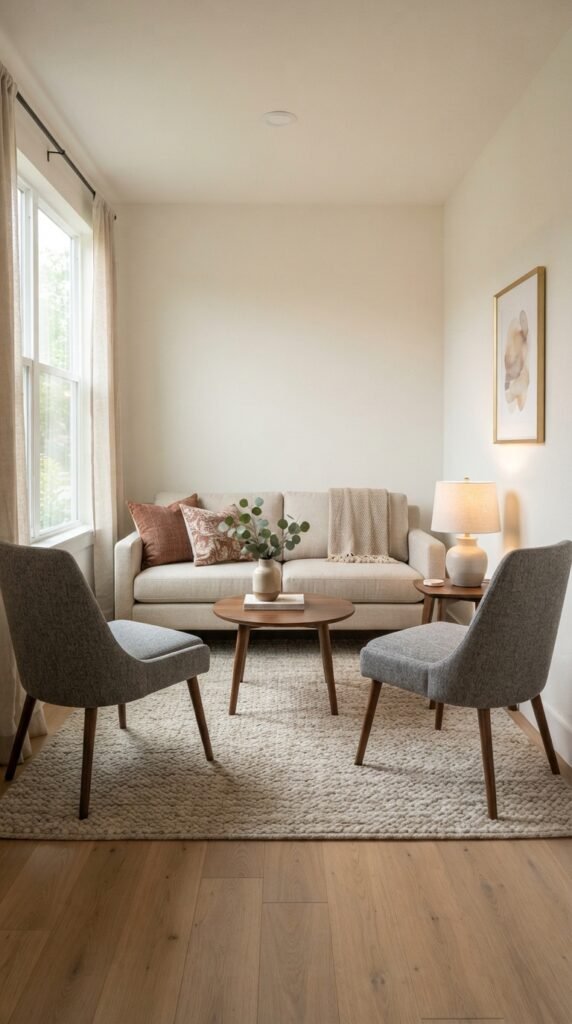
A television often becomes the default focal point, but it doesn’t have to control your entire furniture arrangement. If you enjoy conversations, reading, or entertaining, position seating so people can comfortably face one another.
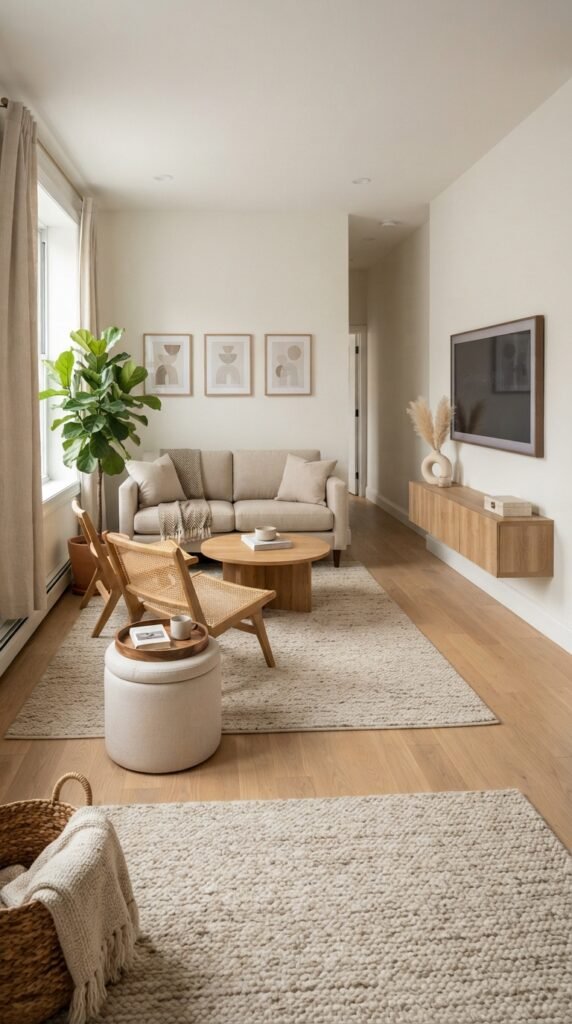
A small sofa can face two narrow accent chairs placed at an angle. A round coffee table in the center keeps the arrangement connected without creating sharp corners. This setup works particularly well in living rooms where the TV is mounted on a side wall.
4. Use a Round Coffee Table
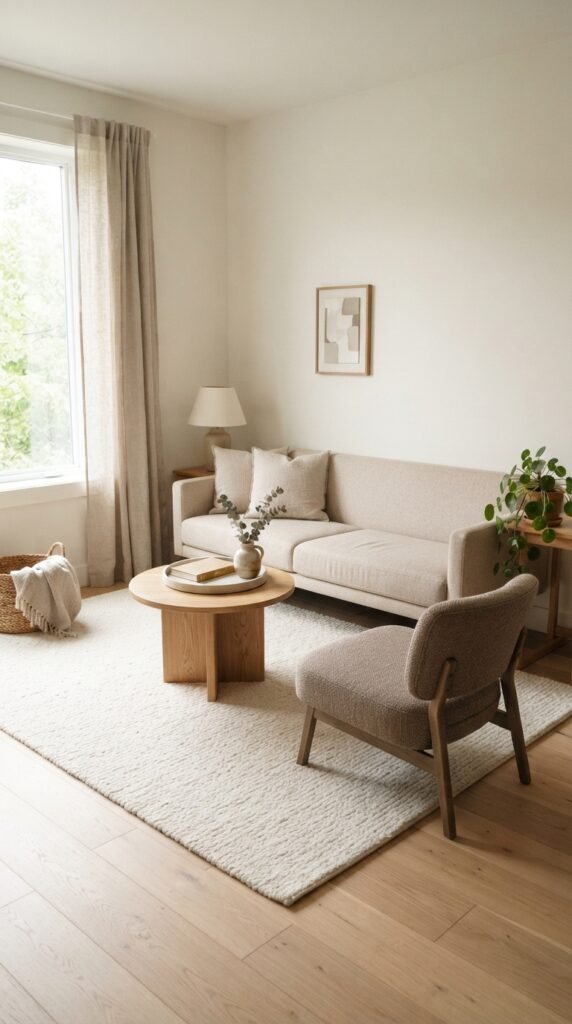
Square and rectangular coffee tables can consume a surprising amount of visual and physical space. A round coffee table often works better in compact rooms because it creates smoother circulation around the seating area.
Choose a table with enough surface area for everyday items but avoid oversized designs. A pedestal base can be especially useful because it eliminates bulky legs that interrupt the visual flow.
Keep the styling simple: a small tray, one coffee-table book, and a low vase are usually enough.
5. Place the TV on the Wall
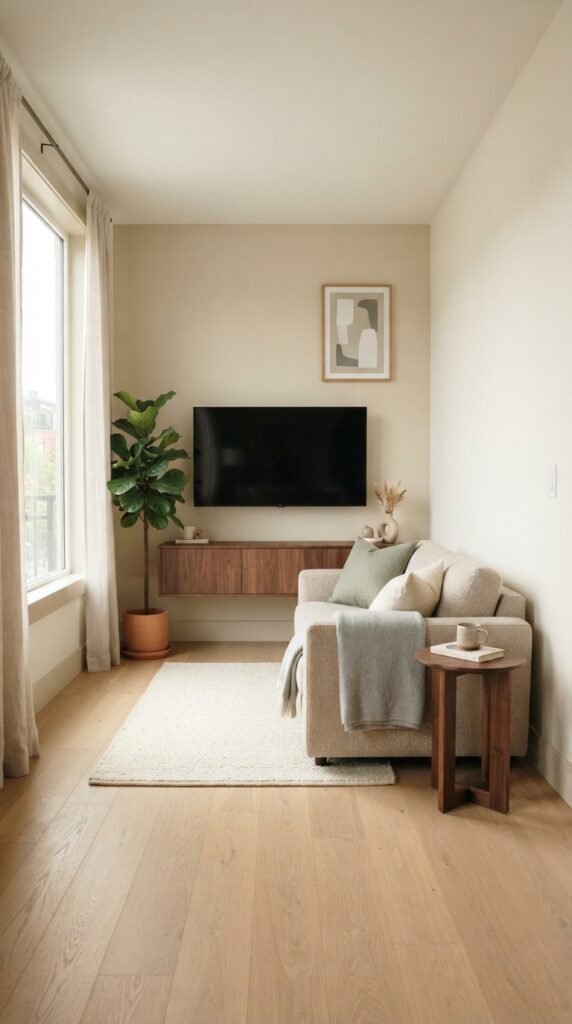
When floor space is limited, the wall can become your best storage and layout tool. Mounting the television eliminates the need for a deep entertainment unit and frees valuable floor space underneath.
A slim floating media console can provide hidden storage while maintaining a lightweight appearance. Keep the area around the television relatively simple so the wall doesn’t become visually cluttered.
This is particularly useful for apartment living rooms where every few inches of floor space matters
6. Use the Corners for Accent Chairs
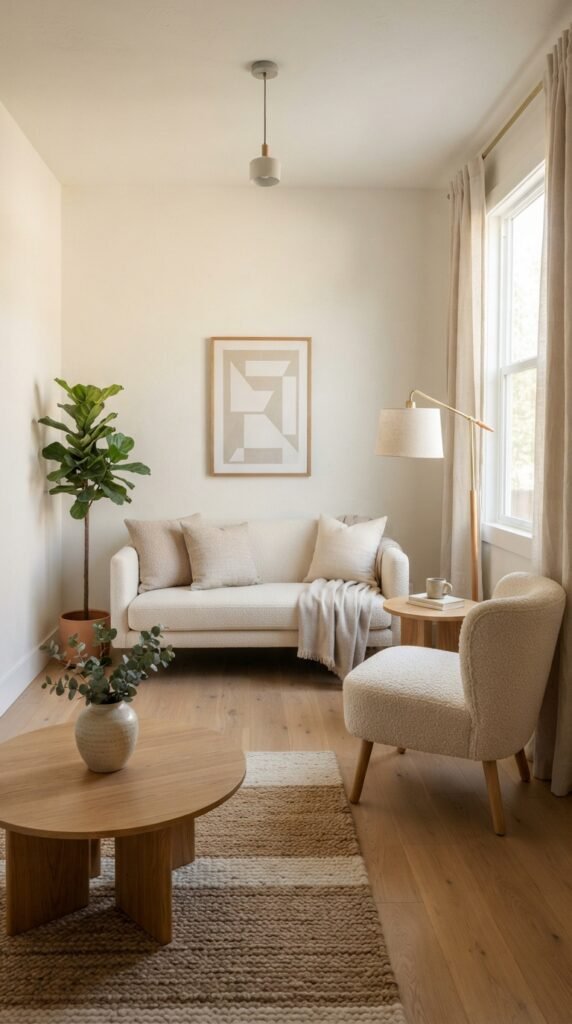
Corners are often wasted in small rooms because homeowners are afraid that additional furniture will make the space feel crowded. The right chair can actually make a corner feel intentional.
Choose a narrow accent chair with exposed legs or an open frame. Angle it slightly toward the sofa instead of pushing it completely into the corner. A small floor lamp beside it can create a cozy reading area without requiring a large side table.
7. Use a Narrow Sofa Table for Extra Storage
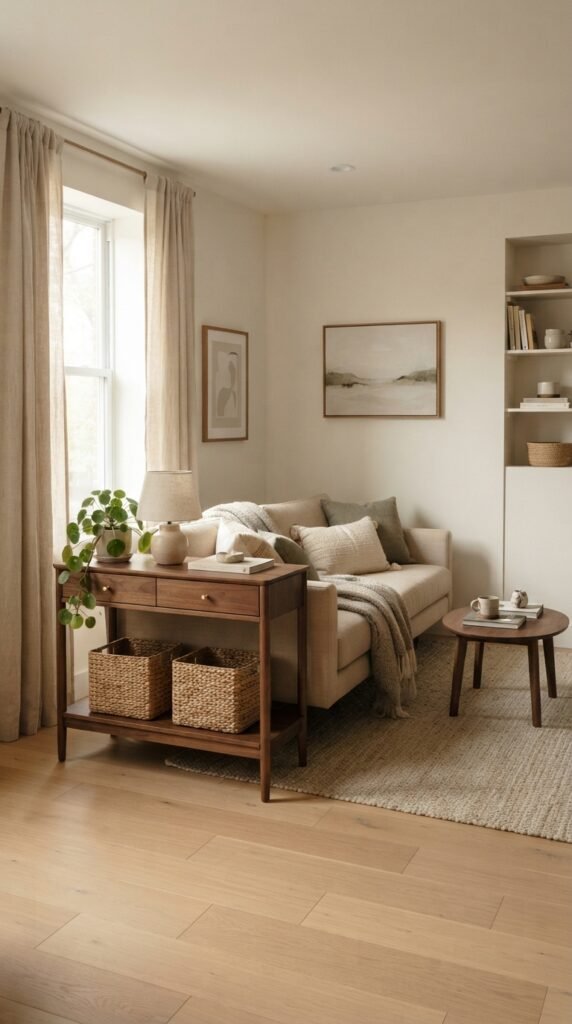
A narrow sofa table can be surprisingly useful when you need storage but don’t have room for a large cabinet. If your sofa is floating, use the space behind it for a slim console with drawers or lower shelves.
Store baskets, books, remote controls, and small everyday items underneath. On top, keep the styling restrained with a lamp, a small plant, or a decorative object.
The goal is to add function without visually weighing down the room.
8. Keep the Main Walkway Completely Clear
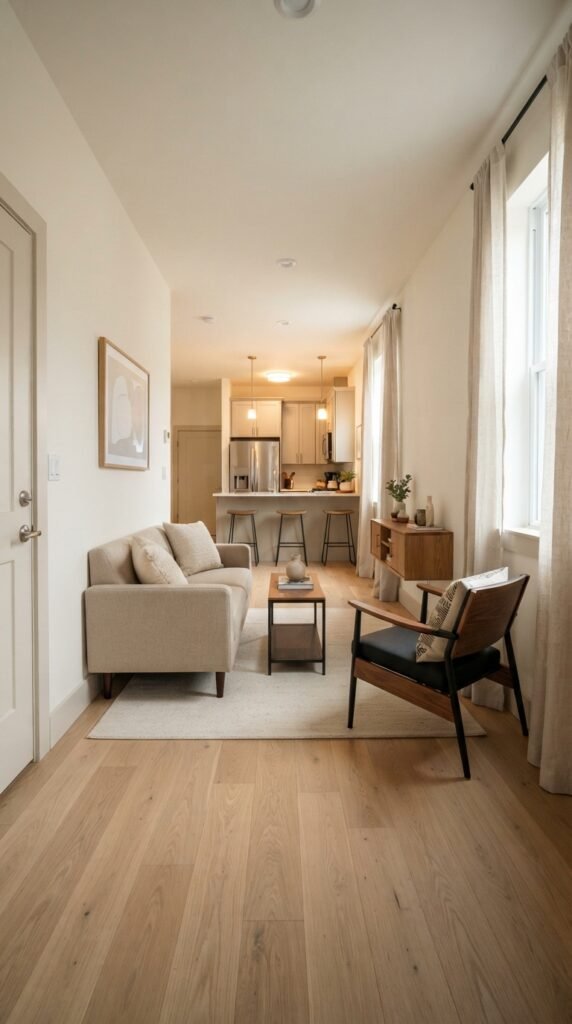
A beautiful furniture arrangement doesn’t work if you have to squeeze around it. Before buying anything, identify the main path through the room and protect it.
For many apartments, that path connects the entrance with the kitchen, hallway, balcony, or bedroom. Keep the center of this route open and position furniture along its edges.
You may discover that removing one small chair creates more usable space than adding another storage piece. In a compact room, circulation is part of the design.
9. Pick Furniture With Exposed Legs
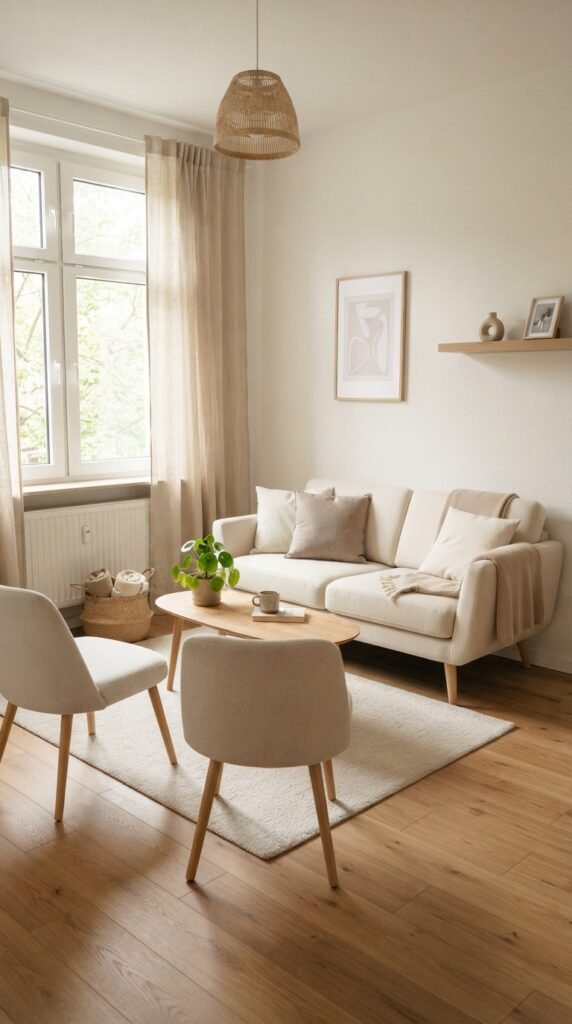
Furniture with visible legs can make a compact room appear lighter because more of the floor remains visible underneath. This doesn’t mean every piece needs to be ultra-modern. A traditional sofa with tapered wood legs can create the same effect.
Avoid filling the room with heavy furniture that reaches all the way to the floor. Choose one or two substantial pieces and balance them with visually lighter tables, chairs, or shelving.
10. Use a Bench Instead of a Bulky Chair
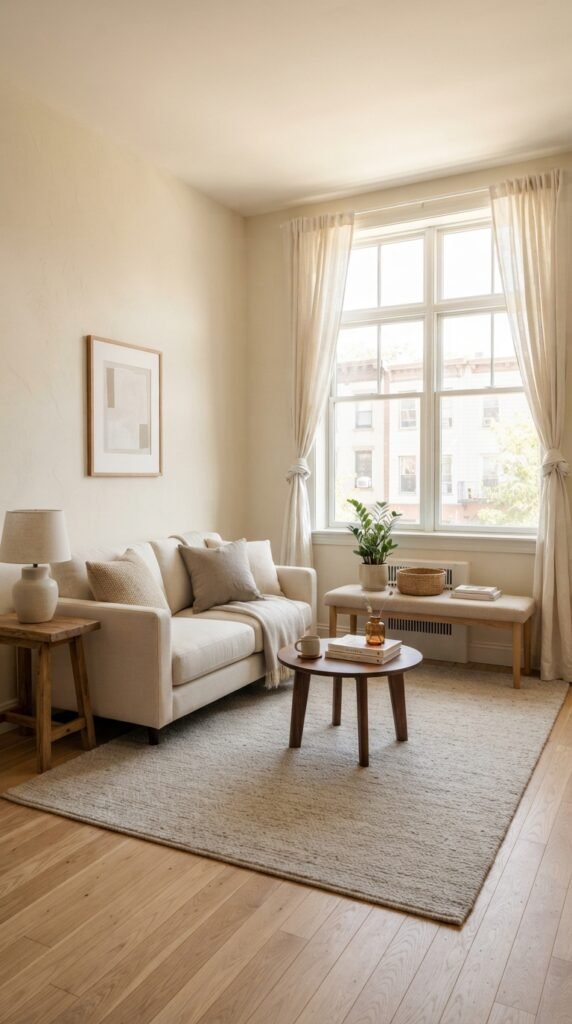
If you occasionally need extra seating, a compact bench can be more flexible than a traditional armchair. A narrow upholstered bench can sit against a wall and be pulled into the seating area when guests arrive.
Benches can also work beneath windows, at the edge of a living room, or behind a sofa. Choose one with a slim profile and simple upholstery so it doesn’t compete with the primary seating.
How to Choose the Best Small Living Room Furniture Arrangement
The best layout depends on more than the size of the room. Before moving furniture, measure the walls, windows, doors, heating vents, and any built-in features. Then identify the main purpose of the room.
If your living room is primarily for watching TV, orient the seating toward the screen. If it’s for conversation, create a more social arrangement. If it doubles as a workspace, protect a small area for a desk without allowing it to take over the room.
A simple floor plan can save you from expensive furniture mistakes. Use painter’s tape on the floor to mark the dimensions of a sofa or coffee table before purchasing it. You’ll quickly see whether the proportions work.
Most importantly, prioritize circulation. A beautiful room that is difficult to walk through will never feel comfortable.
Frequently Asked Questions
What is the best layout for a small living room?
The best layout is the one that supports how you actually use the room while keeping the main walkway clear. A compact sofa facing a TV can work well for entertainment, while a sofa paired with two slim chairs creates a better conversation area. Start by identifying your room’s focal point and traffic path, then position the largest furniture first. From there, add smaller tables, storage, and decorative pieces only where they serve a purpose.
How can I make a small living room look bigger?
Keep furniture appropriately scaled, maintain visible floor space, and avoid blocking windows or walkways. Furniture with exposed legs, wall-mounted TVs, floating shelves, mirrors, light colors, and large cohesive rugs can help create a more open appearance. The goal isn’t to make everything tiny. Instead, choose fewer pieces that fit the room comfortably and avoid visual clutter.
Should a sofa go against the wall in a small living room?
Not always. While placing a sofa against the wall can maximize floor space, floating it slightly can create a more intentional seating zone if the room is large enough. A narrow console behind the sofa can add useful storage or display space. However, don’t float furniture simply because it looks stylish. If doing so creates an awkward walkway, keeping the sofa against the wall may be the better solution.
Is a sectional a good idea for a small living room?
Yes, provided the sectional is correctly scaled. A compact L-shaped sectional can provide substantial seating while using one corner efficiently. Look for a shallow depth, streamlined arms, and a chaise that doesn’t interfere with the main walkway. Always measure doorways, hallways, and stairways before ordering a sectional.
What size coffee table works best in a small living room?
A coffee table should leave comfortable walking space around it rather than filling the center of the room. Round or oval tables are often easier to navigate in compact spaces. A nesting table set can provide even more flexibility. Before purchasing, tape the table’s approximate dimensions onto the floor to check how it affects circulation.
How do I arrange furniture in a very narrow living room?
In a narrow room, place the longest sofa along the longest wall and use slim chairs or stools where additional seating is needed. Avoid oversized rectangular coffee tables that create a corridor-like feeling. A narrow console, wall-mounted storage, and a properly proportioned rug can help organize the room without narrowing the walkway further.
How many pieces of furniture should a small living room have?
There isn’t a fixed number. Instead, choose furniture based on the room’s function and available floor space. A sofa, coffee table, and one or two additional seating pieces may be enough for some rooms. If you need storage, prioritize multifunctional pieces such as storage ottomans or floating cabinets. Leave enough open space for comfortable movement rather than trying to fill every corner.
Conclusion
A successful small living room furniture arrangement isn’t about squeezing as much furniture as possible into a limited footprint. It’s about choosing the right pieces, creating clear pathways, and giving the room a comfortable visual rhythm.
Start with your largest piece, identify the room’s focal point, and protect the main walkway. Then consider compact sectionals, round tables, exposed-leg furniture, floating storage, and multifunctional pieces where they genuinely solve a problem.
You don’t need to redesign the entire room at once. Try moving the sofa, changing the coffee table, or removing one unnecessary piece of furniture first. Sometimes one smart layout adjustment is enough to make a small living room feel dramatically more comfortable.