15 Calm Decluttering Habits for a Tidy Home
A tidy home rarely happens by accident — it is built quietly, one small habit at a time. If your rooms feel busy no matter how often you clean, the secret is not a bigger clear-out but a gentler rhythm. These 15 calm decluttering habits for a tidy home gentle daily routines you can start this week are tiny, repeatable actions that keep clutter from settling in the first place. None of them takes longer than a few minutes, and together they create that calm, put-together look you love on a well-styled home — without marathon cleaning sessions or strict rules you cannot keep.
The idea is simple: instead of waiting for mess to pile up and then tackling it all at once, you prevent it with small pauses woven into your day. Think of each habit below as a two-minute reset rather than a chore. Pick three or four to begin with, let them become automatic, then add more. Over time, your home starts to feel lighter, calmer, and easier to live in — and the best part is, you will barely notice the effort.
1. Practise One-In-One-Out
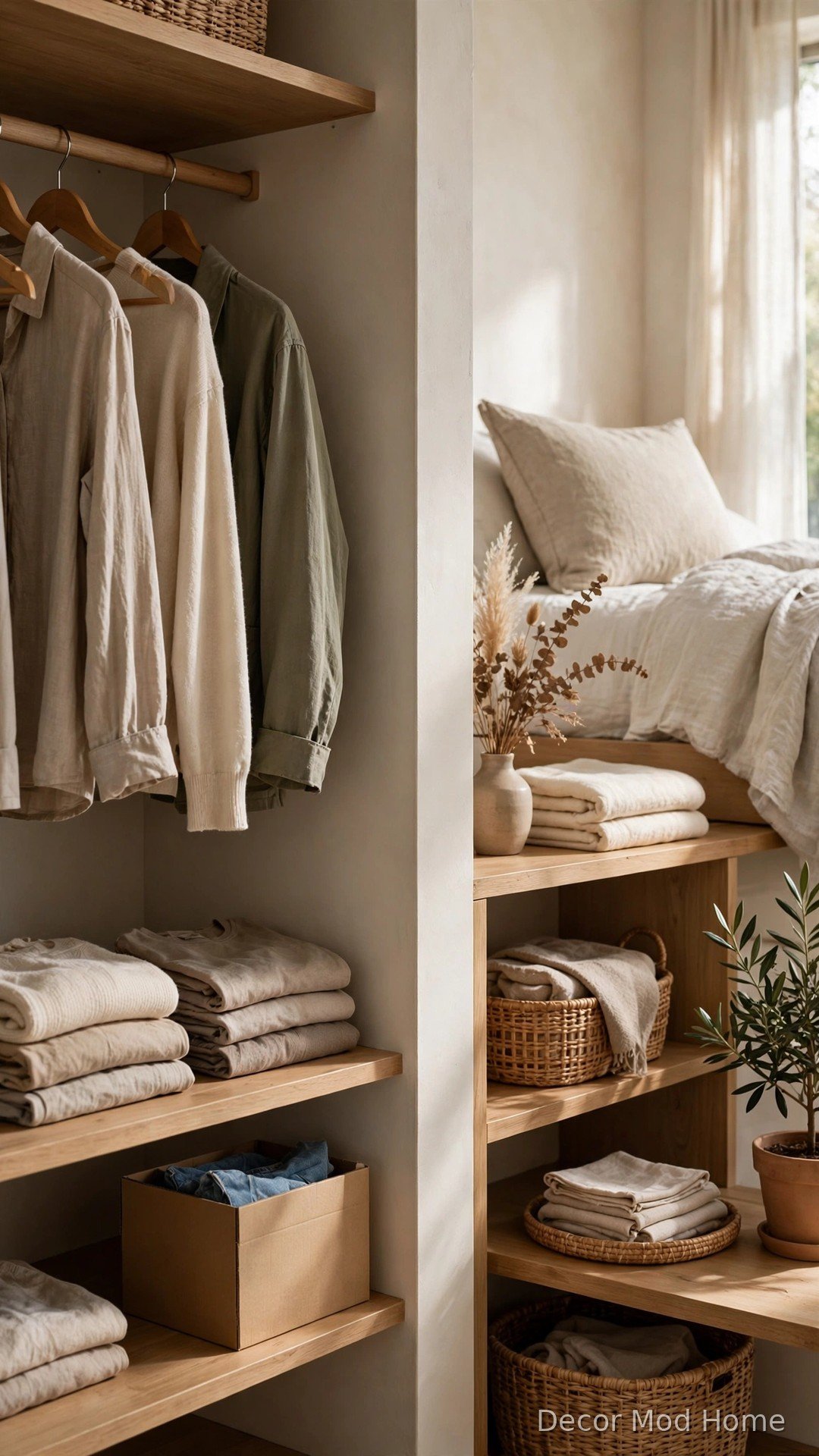
One-in-one-out is the single most powerful habit for keeping a tidy home. The rule is beautifully simple: every time something new enters your home — a book, a mug, a pair of shoes — one similar item leaves. Donate it, recycle it, or bin it, but do not let it linger in a “maybe later” pile. This gentle balance keeps shelves, drawers, and wardrobes from silently overflowing, which is how homes slide from curated to cluttered. It also makes you a more thoughtful shopper, because every purchase comes with a tiny goodbye. Set up a small donation bag in your wardrobe or hallway so the outgoing item has an immediate home. Within weeks, you will notice your spaces holding steady instead of creeping toward chaos, and that feeling of “everything has a place” becomes your normal.
2. Do a 10-Minute Nightly Reset
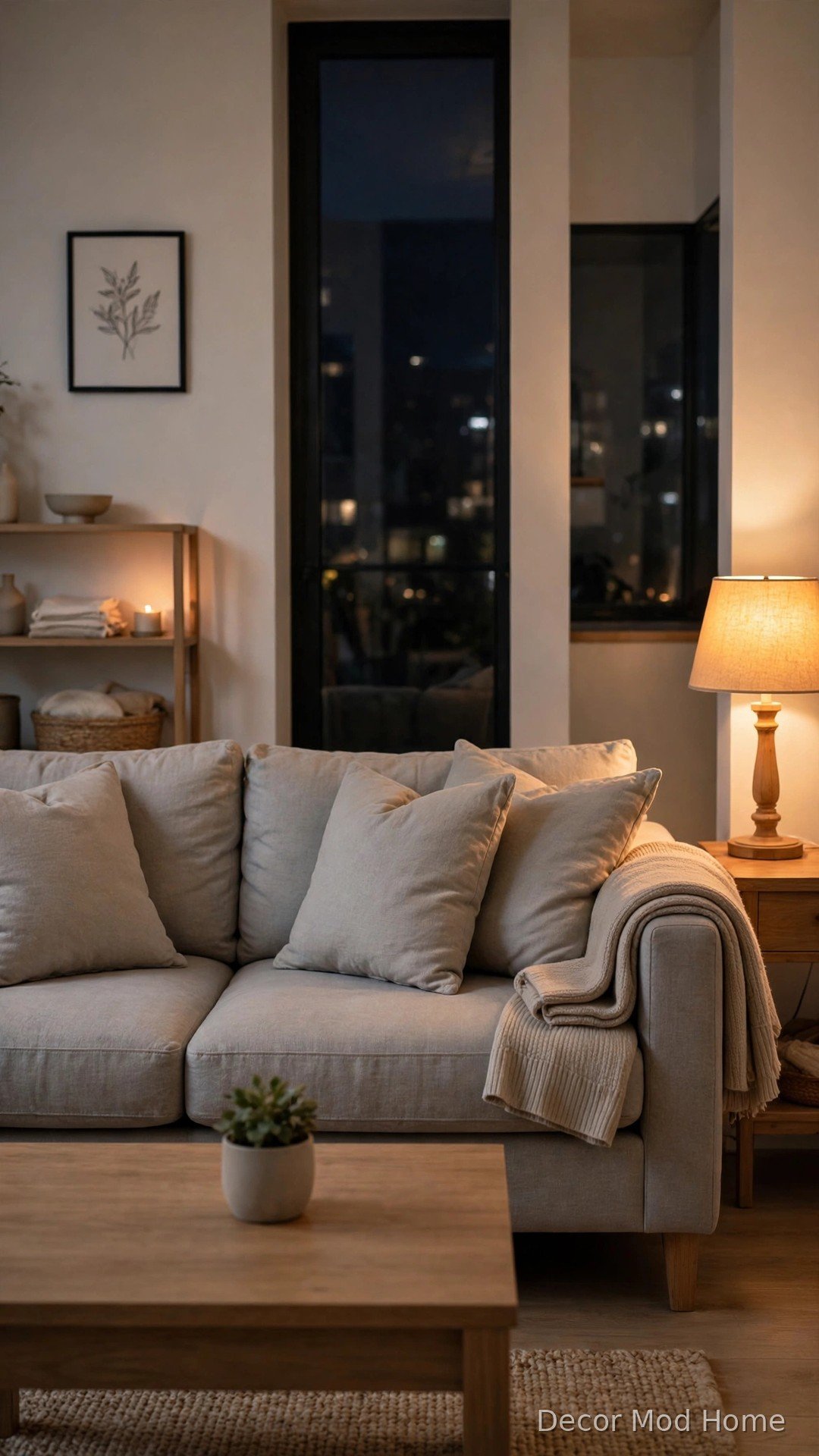
A ten-minute nightly reset is the habit that changes mornings. Set a timer, put on your favourite music, and walk through the main rooms putting things back where they belong: cushions plumped, throws folded, remote controls returned, dishes in the kitchen, school bags by the door. You are not deep cleaning — you are simply restoring order so you wake up to calm instead of yesterday’s clutter. Families can make it a game for children, giving each person a room to reset. Pair it with a consistent trigger, like after dinner or before brushing your teeth, so it becomes automatic rather than optional. Waking up to a tidy living room and clear kitchen counters sets a peaceful tone for the whole day, and you will wonder how you ever lived without it.
3. Keep Labeled Baskets in Every Room
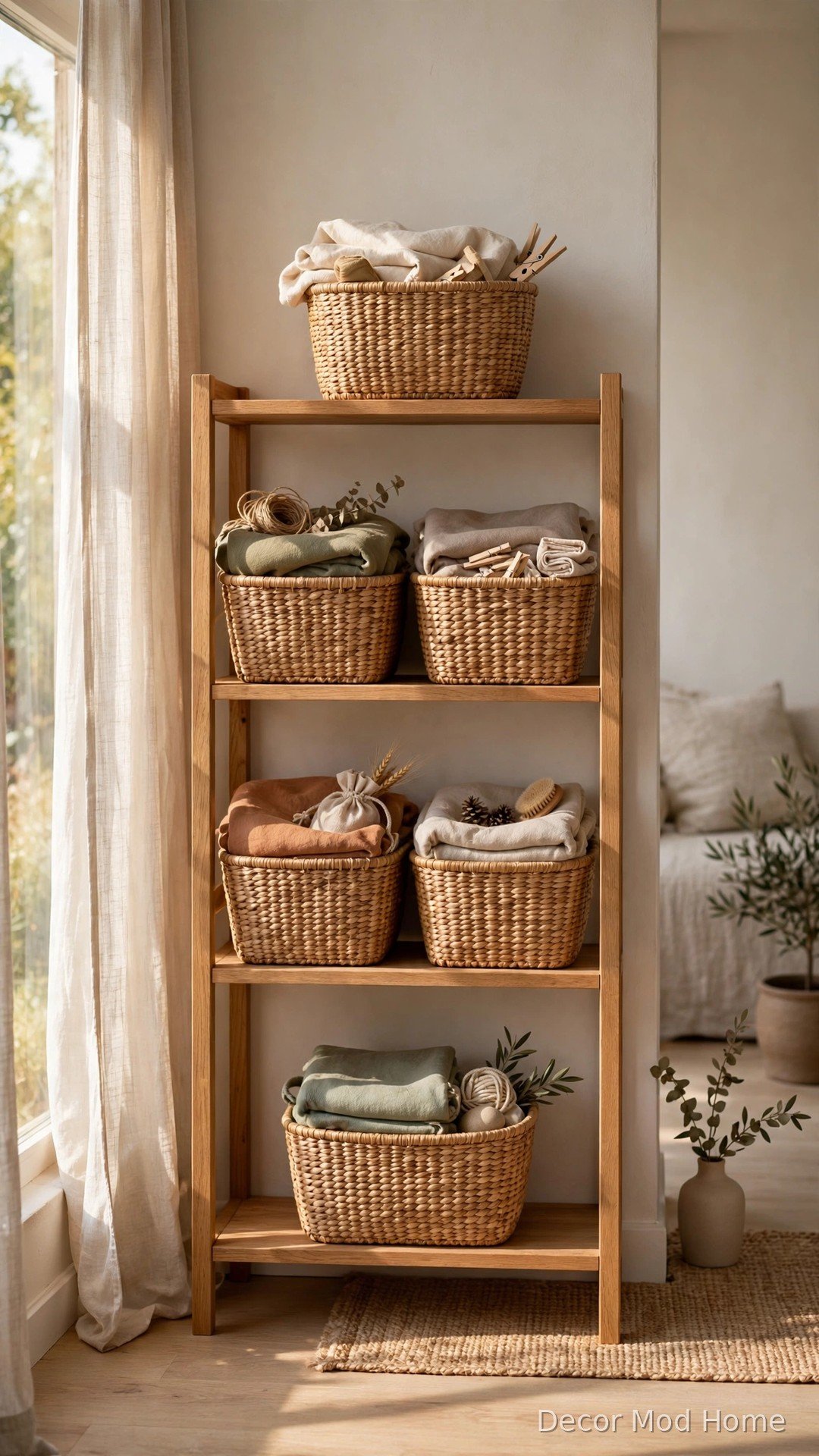
Beautiful baskets with simple labels are the unsung heroes of a tidy home. Place one in each room to catch the everyday drift — the charger, the magazine, the toy, the lip balm that migrates from surface to surface. Because each basket is labeled, everything has a visible destination and nobody has to guess where things live. Choose woven or fabric baskets that complement your decor so they look intentional rather than like storage solutions. The key is containment: instead of five small items scattered across a coffee table, you have one attractive basket holding them all. Once a week, spend two minutes returning basket contents to their proper homes. Labels remove the mental effort of tidying, which means you will actually do it, even on your most tired evenings.
4. Clear Flat Surfaces Every Day
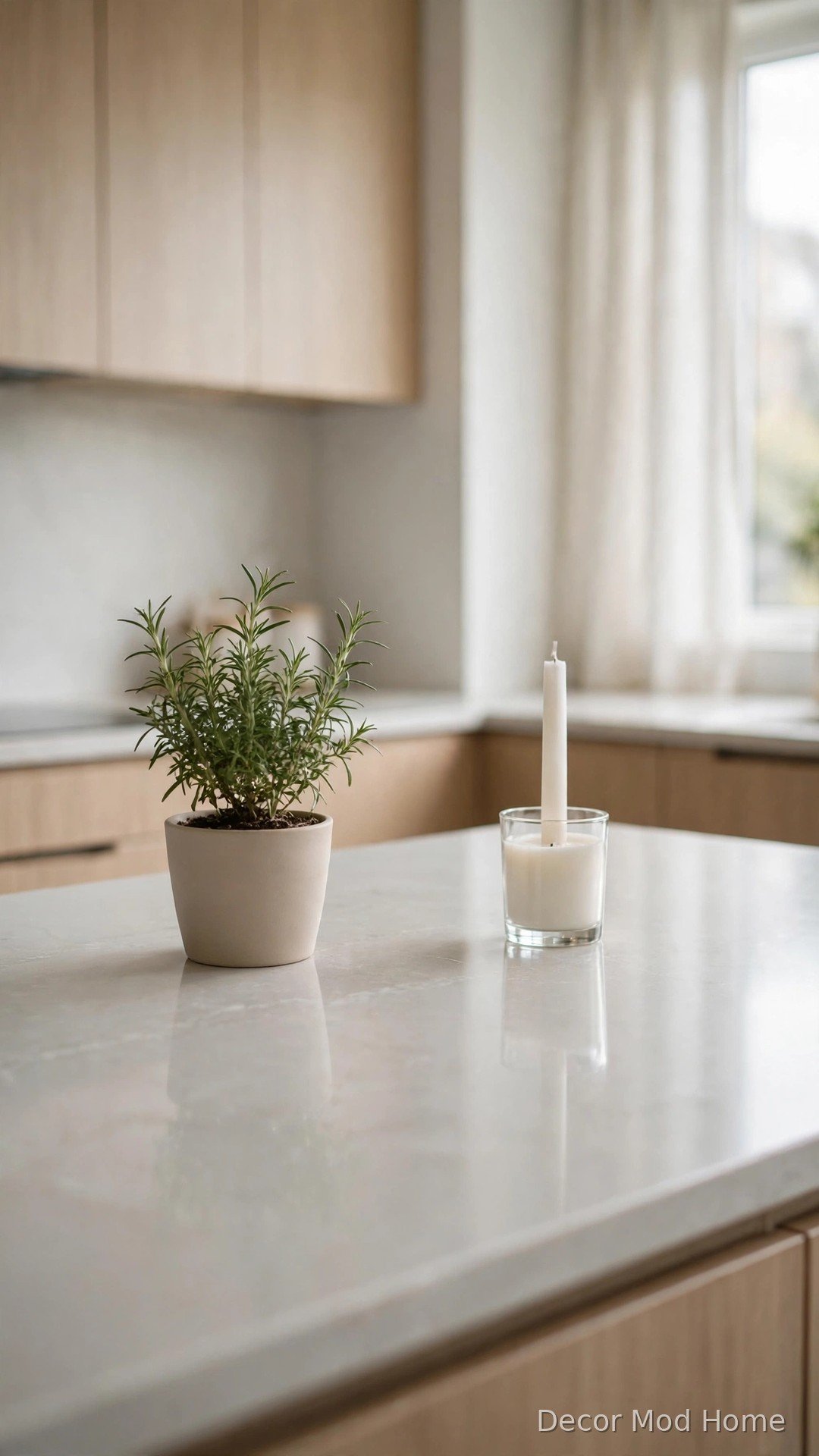
Flat surfaces are clutter magnets — kitchen worktops, dining tables, desks, and consoles attract keys, post, sunglasses, and half-finished tasks like nothing else. Make it a habit to sweep these clear at least once a day, ideally during your nightly reset. Keep only a few intentional decor pieces on each surface: a lamp, a small plant, a stack of coffee-table books. Everything else either lives somewhere else or goes in a basket. This single habit has the biggest visual impact of all, because our eyes read clear surfaces as “tidy,” even if a cupboard behind a closed door is still a work in progress. To make it stick, give every roaming item a true home first — clutter only lands on surfaces when it has nowhere else to go.
5. Create a Landing Zone by the Door
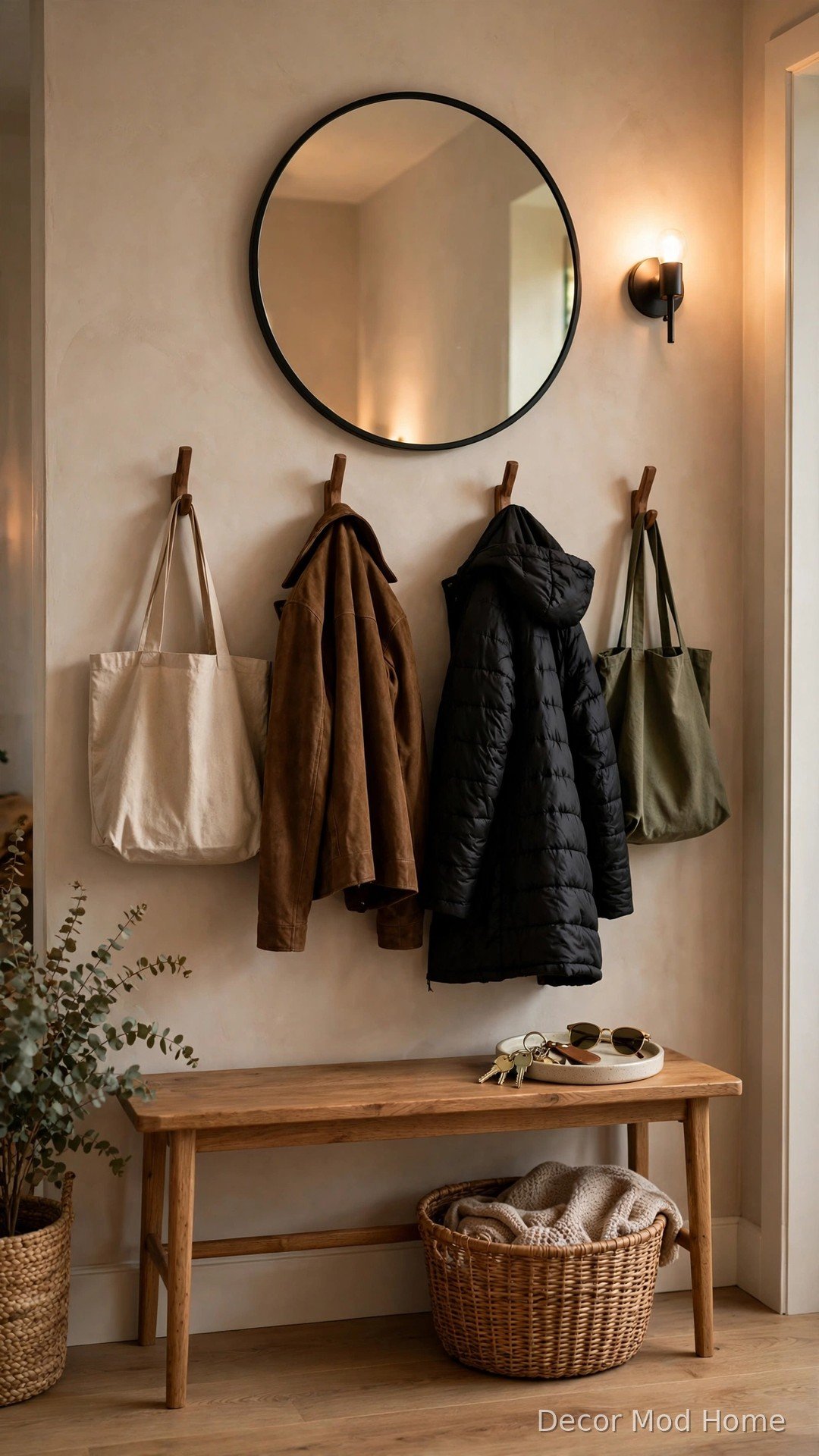
Most household clutter begins at the front door. Shoes pile up, keys vanish, bags migrate to the sofa, and post multiplies on the nearest surface. A proper landing zone stops the chaos before it starts: a slim bench or stool, a row of wall hooks, a tray for keys and sunglasses, and a basket for each household member’s bits. Spend a little time styling it so it feels like part of your decor rather than a storage corner — a mirror above the hooks makes the space feel bigger, and a small plant softens the look. When everyone comes home, shoes go under the bench, keys land in the tray, bags hang on hooks. It takes ten seconds and saves you from the door-drift that slowly takes over the whole hallway.
6. Declutter One Drawer a Day
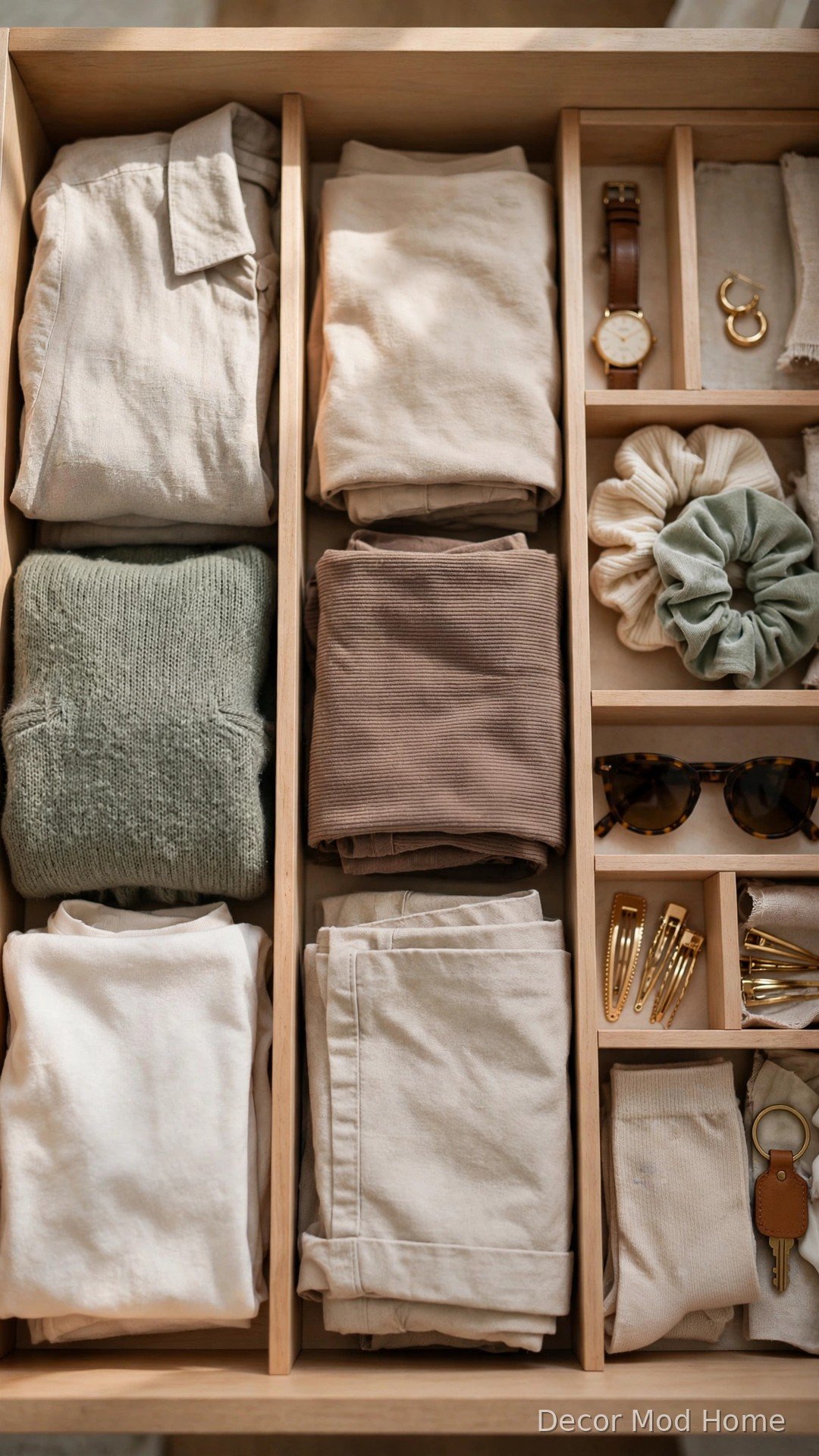
You do not need a free Saturday to declutter — you just need one drawer a day. Pick a single drawer, set a five-minute timer, and sort its contents into three piles: keep, relocate, let go. Empty the drawer, wipe it down, and put back only what truly belongs there, placing the relocate items in their proper rooms immediately. A kitchen gadget drawer, a bathroom drawer, a desk drawer — each one takes minutes, and after a month you will have calmly worked through thirty drawers without breaking a sweat. This gentle pace works because it never triggers overwhelm; there is no “I started and gave up” moment, just a steady drip of progress. Keep a small box nearby for donations so discards leave the drawer and head straight toward the door.
7. Reset the Kitchen While You Cook
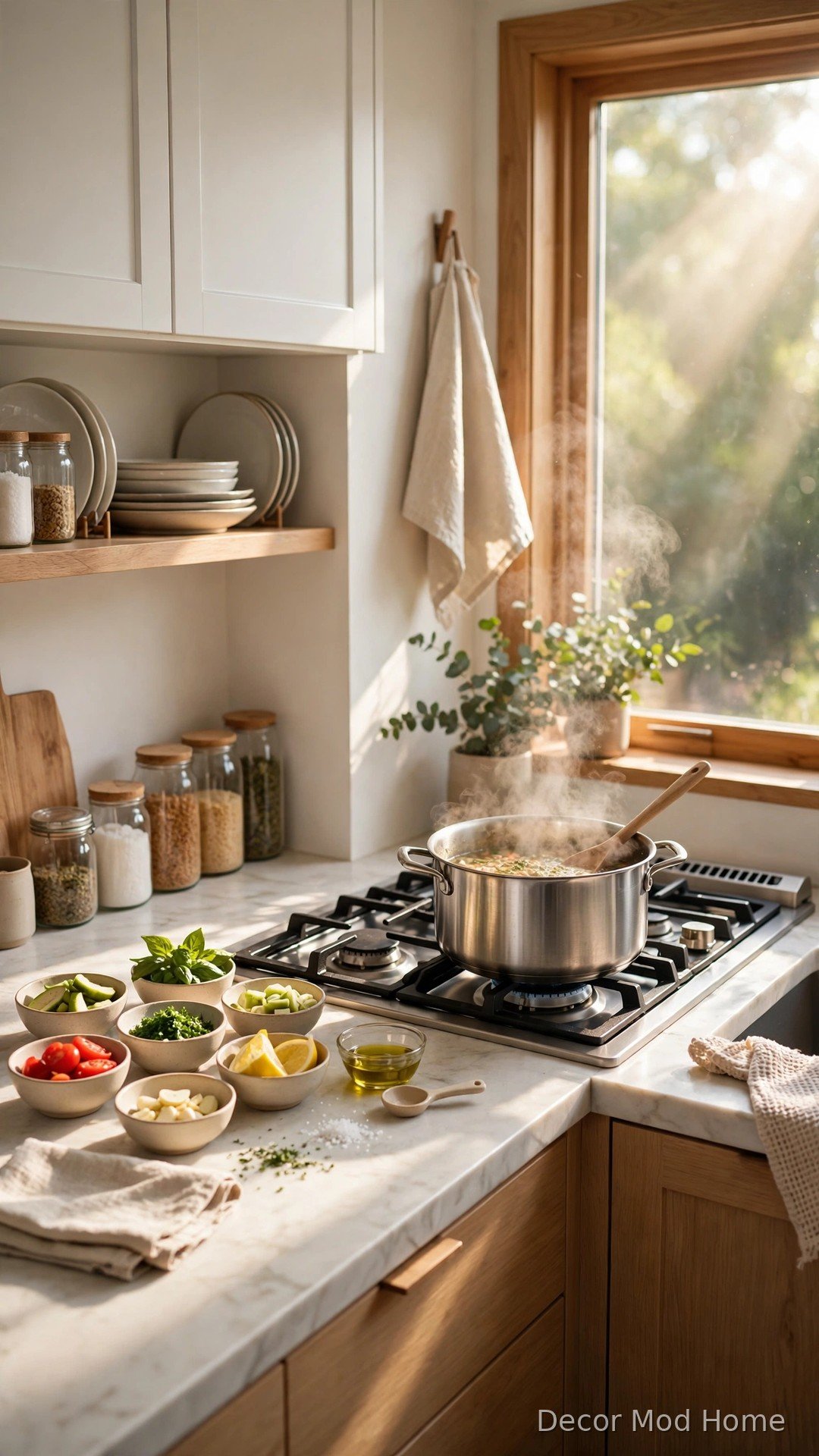
The kitchen stays tidy when tidying happens inside the cooking, not after it. While something simmers or bakes, wash a few utensils, wipe the worktop, and return ingredients to the cupboard — chefs call this “clean as you go,” and it works beautifully at home too. Run hot soapy water in the sink before you start so nothing crusts on while you eat. Load the dishwasher the moment dinner is done rather than leaving a towering pile for later, because a kitchen that resets nightly never reaches that dreaded tipping point. Keep cleaning basics within arm’s reach of the cooking zone: a cloth, a spray, and washing-up liquid. These micro-resets take less than two minutes each, yet they mean you sit down to dinner with the kitchen already half-cleaned behind you.
8. Keep a Donation Box Within Reach
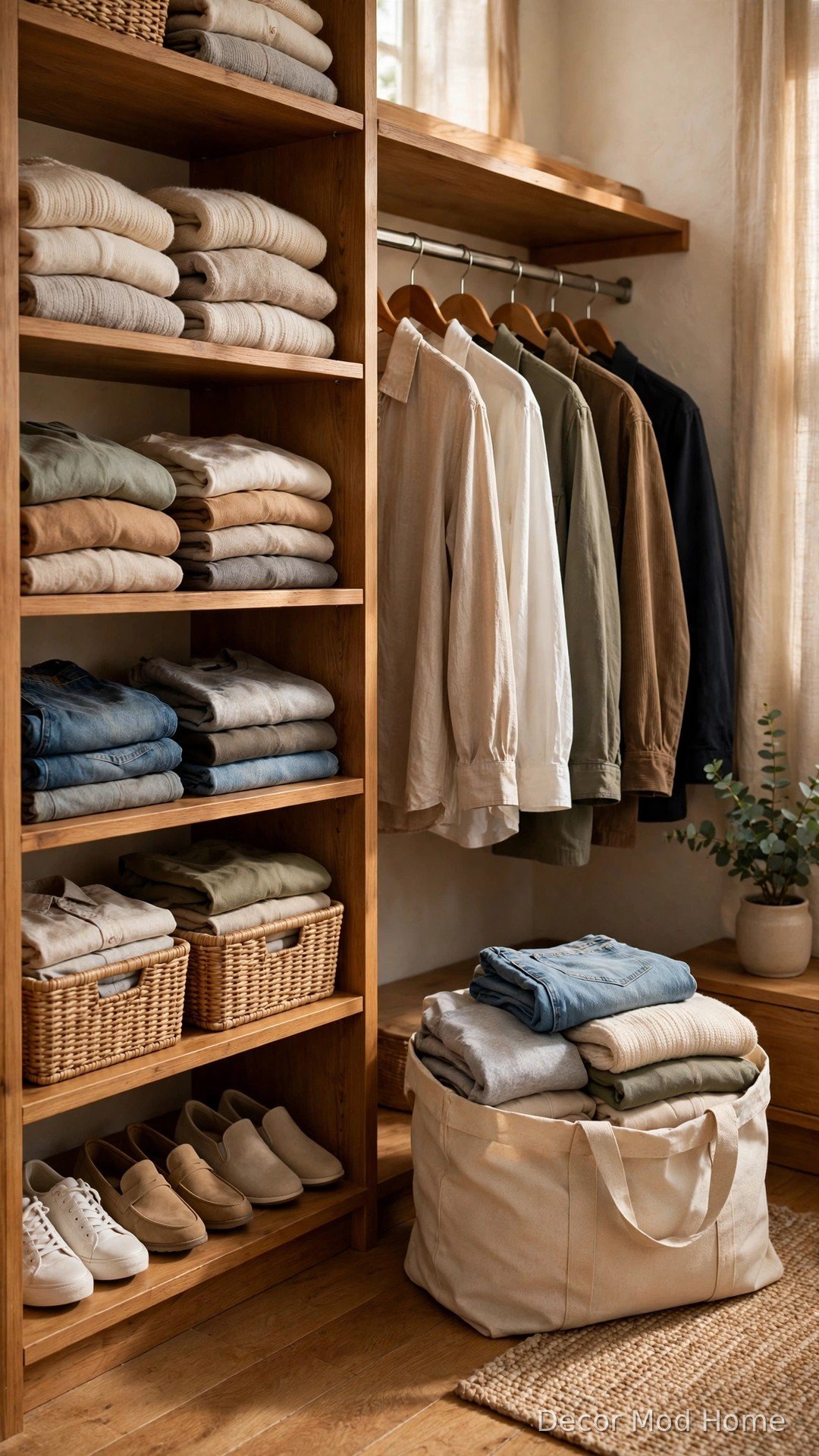
A permanent donation box is the quiet engine of a decluttered home. Instead of waiting for a big clear-out, you let go of things the moment you notice them: the chipped mug, the book you will not reread, the jumper that never quite fit. Keep a sturdy bag or box in a cupboard, the garage, or your wardrobe, and drop items in whenever the impulse strikes. When it is full, take it straight to the charity shop — no holding, no re-sorting. This habit works because it removes the friction from letting go; you do not need to plan a decluttering session, you just need somewhere for the item to go. Label the box clearly so the whole household uses it, and watch how naturally your rooms breathe a little easier.
9. Go Paperless at the Mail Station
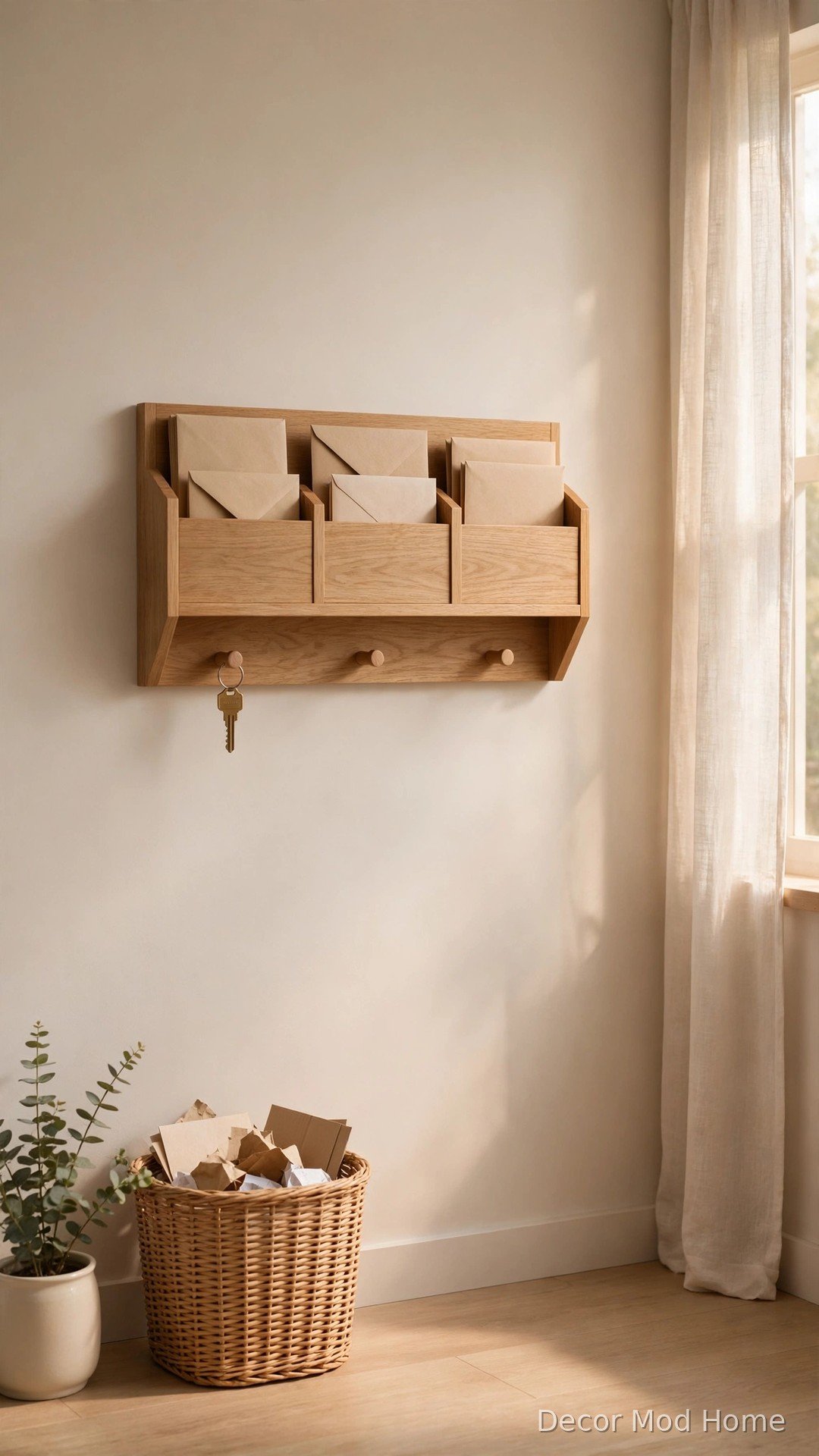
Paper is the stealth clutter of modern homes, so give it a proper station and a firm routine. Choose one tray or wall file by the door for incoming post, then process it daily: recycle junk immediately, file important documents in a small accordion folder, and photograph receipts you want to keep. Go further by switching bills and statements to paperless wherever you can — each one you switch is one less item fighting for space on your worktop. Keep a shredder or a recycling bin right beside the station so nothing piles up “until later.” For sentimental paper like children’s artwork, photograph it and let the physical copy go, or keep one small keepsake box per child. A paper-free home feels instantly calmer, and you will never again pay a bill late because it vanished under a pile.
10. Follow the “Touch It Once” Rule
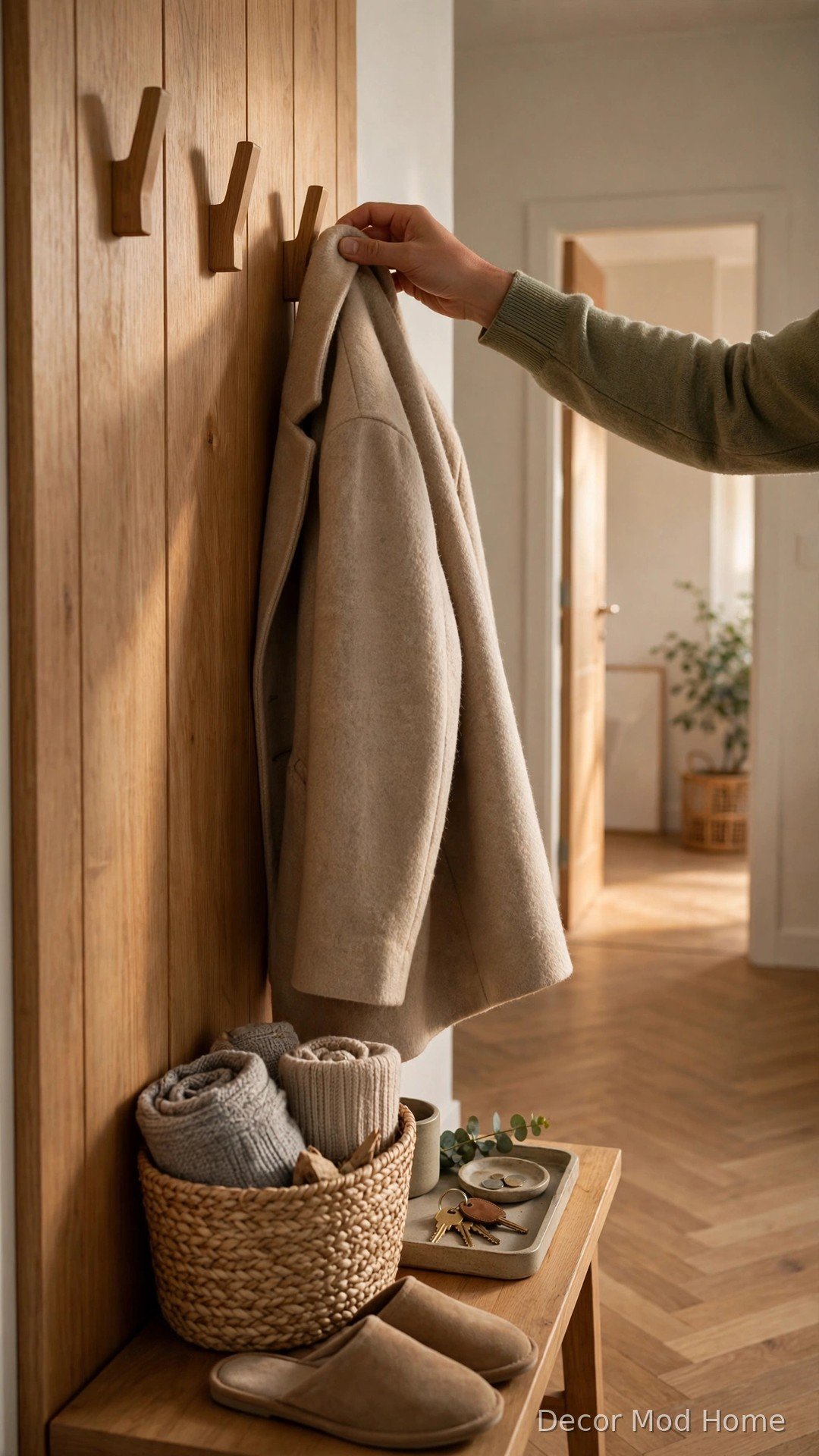
The “touch it once” rule is delightfully simple: when you pick something up, put it in its final home instead of setting it down somewhere in between. The coat goes on its hook, not the banister. The post goes in the tray, not the counter. The dirty glass goes in the dishwasher, not the sink. Most clutter is simply deferred decisions — items paused mid-journey because putting them away felt like effort in the moment. By finishing the job in one motion, you eliminate the second touch, the pile-up, and the later tidying session entirely. It takes seconds of extra effort and saves minutes of re-homing later. Teach the whole household this one rule and you will halve the daily drift without anyone feeling like they are cleaning all the time.
11. Limit Each Surface to Three Pretty Things
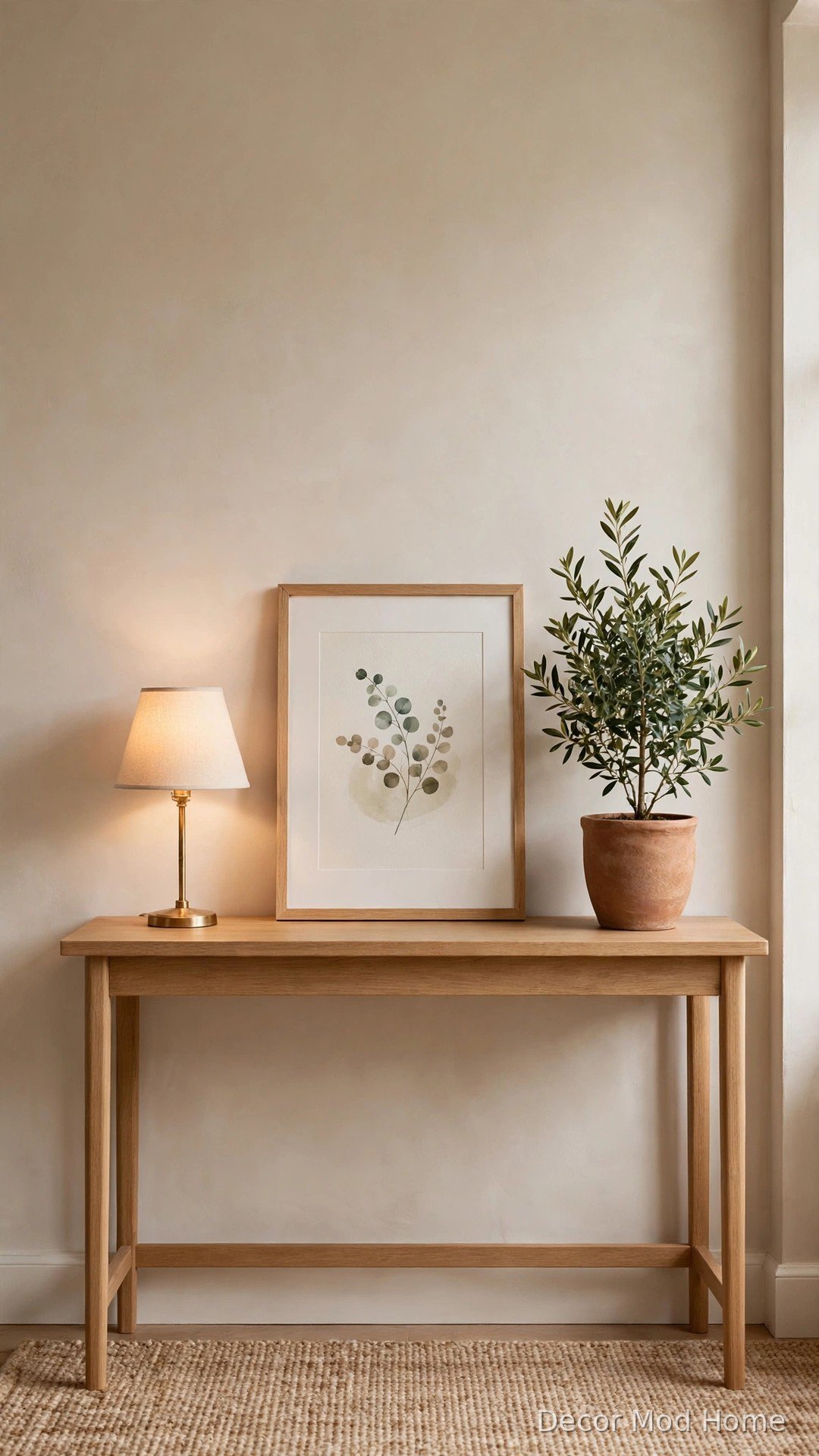
Beautifully styled homes follow a quiet rule: fewer, better things. Try limiting each flat surface — a mantel, a bedside table, a console — to three attractive items, arranged at varying heights. This could be a lamp, a framed photo, and a small plant, or a candle, a book stack, and a vase. The “rule of three” looks intentional and balanced to the eye, while also making dusting and wiping effortless. It naturally prevents the slow creep of knick-knacks that turns surfaces into storage. When you buy a new decor piece, choose which of the three it will replace rather than adding a fourth. This gentle limit trains your eye toward curation over accumulation, and your rooms will look more styled, not emptier — which is exactly the calm, collected feel you are after.
12. Contain Cords and Chargers
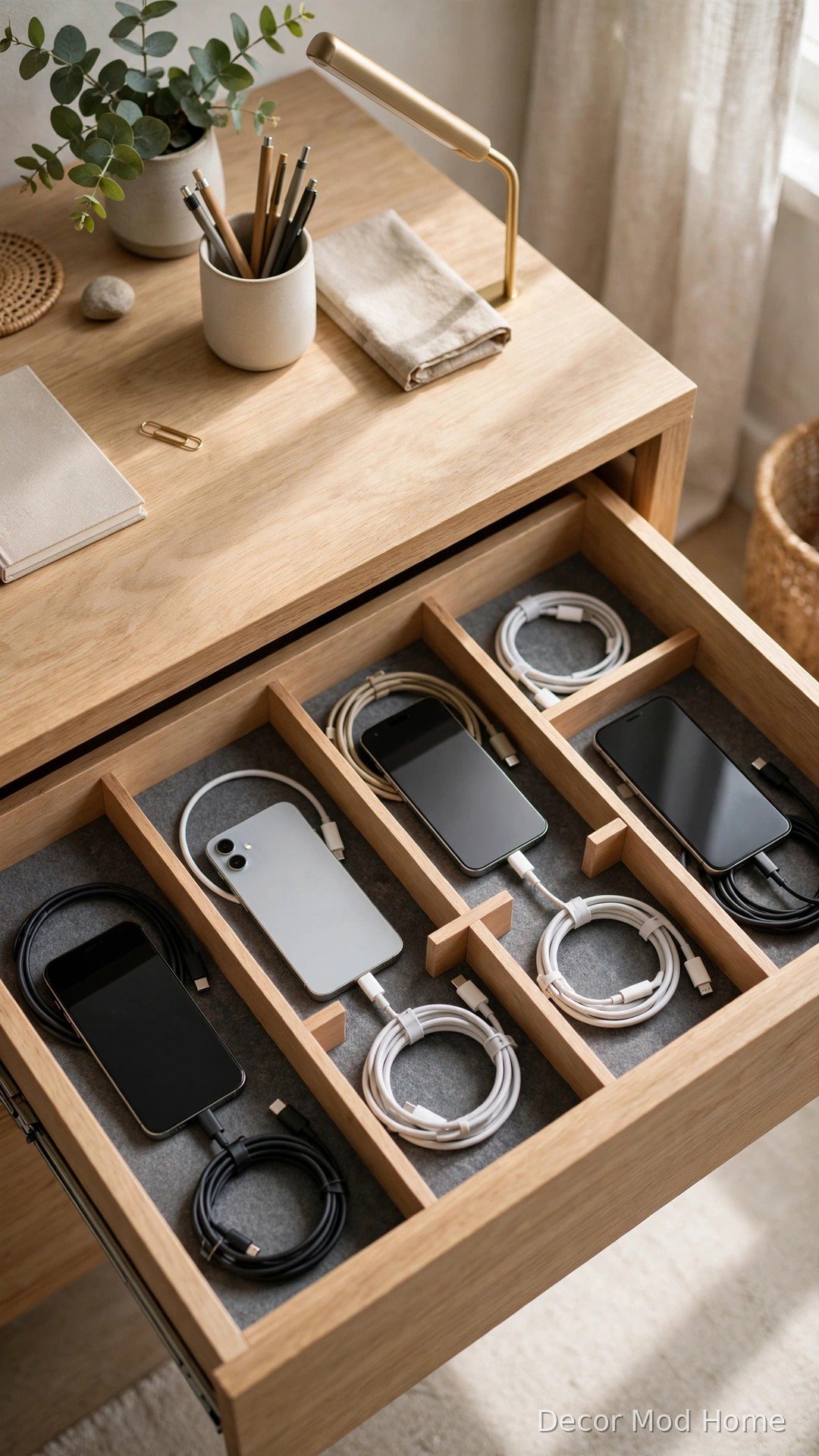
Nothing ruins the look of a calm room faster than a tangle of cords. Create a dedicated charging station — a drawer fitted with a power strip, a pretty box with holes cut for cables, or a basket on the console table — and keep all chargers there. Use short cables where possible and bind longer ones with velcro ties so they sit neatly behind furniture. Mount power strips to the back of desks and side tables so plugs disappear from view entirely. For phones and tablets, a single tray on the landing zone keeps devices corralled and stops them colonising every room. This small project transforms how a room feels: without the visual noise of wires, your decor breathes and the space reads as instantly more restful and put-together.
13. Make Your Bed Every Morning
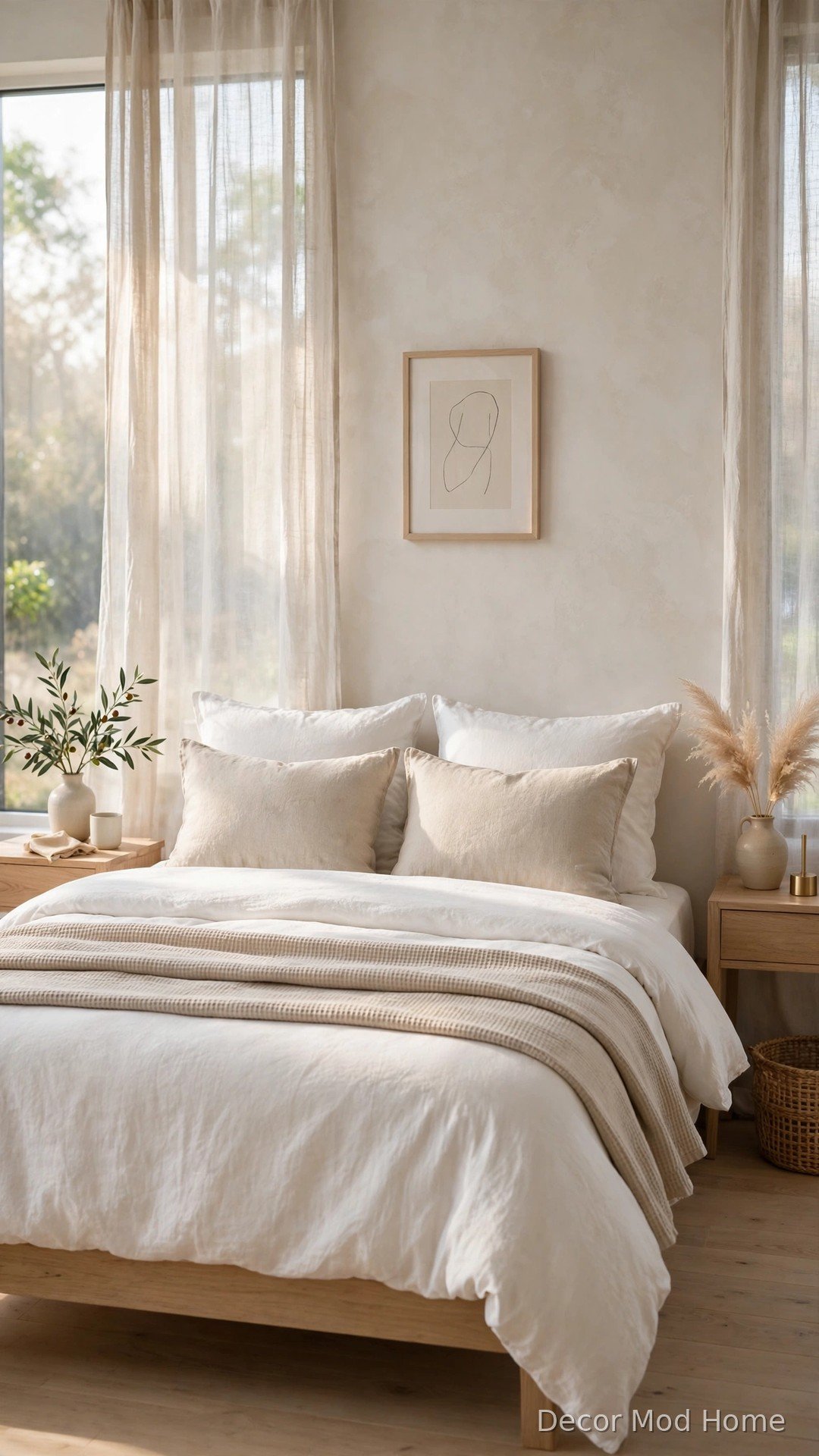
Making your bed takes ninety seconds and changes how the entire bedroom feels. A made bed anchors the room: pillows arranged, duvet smoothed, throw placed with intention — and suddenly the space looks finished even if nothing else is perfect. It is the first small win of the day, a quiet signal to your brain that order matters here. Keep it simple so you will actually do it: a fitted sheet, a duvet, two sleeping pillows and two cushions are plenty. Choose bedding in calm, cohesive colours so the finished bed doubles as decor. This single habit also discourages the bed becoming a dumping ground for clothes and bags, because a made bed invites respect. Start here tomorrow morning and feel the difference by evening.
14. Sort Laundry as It Comes Off
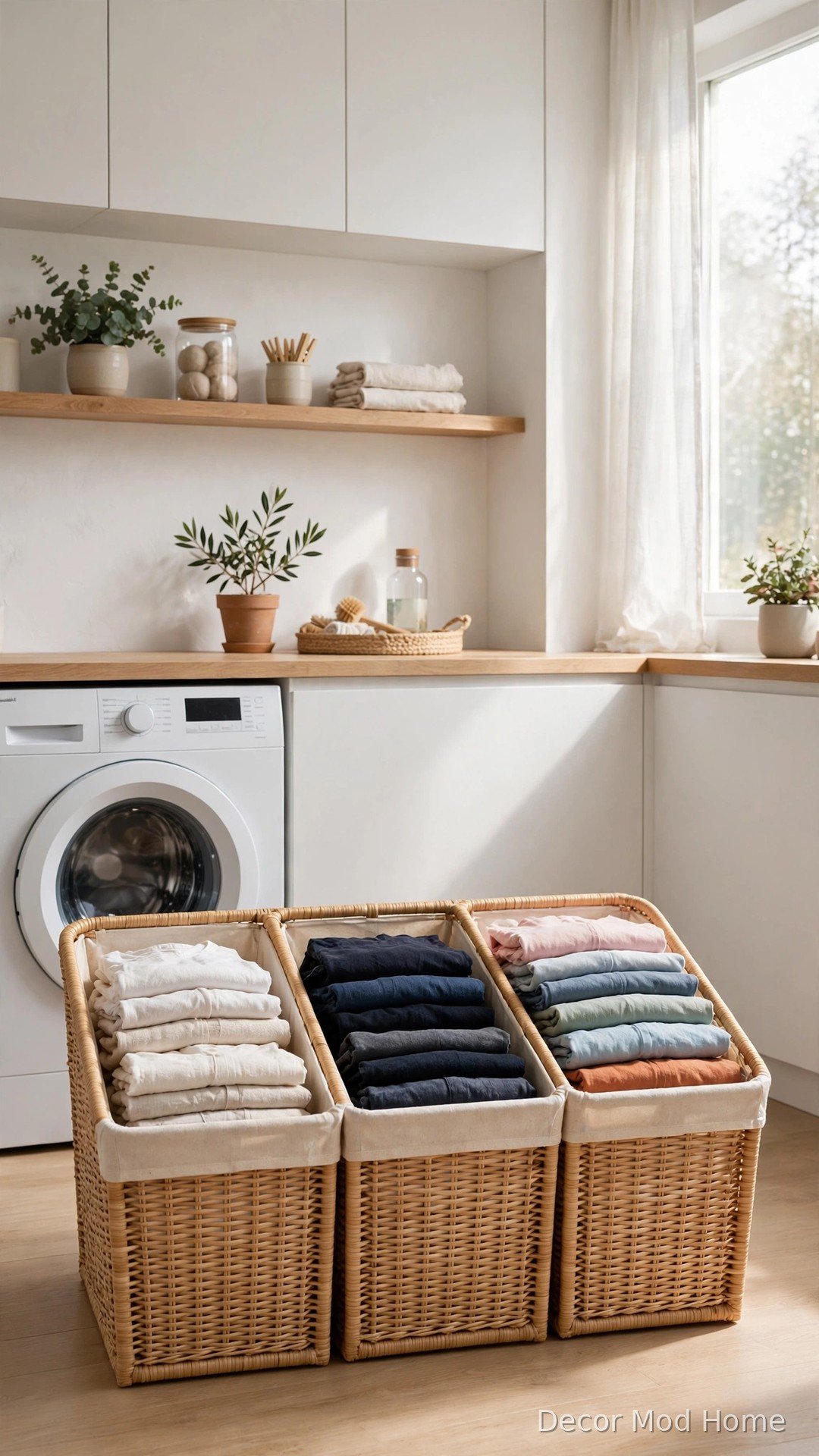
Laundry becomes clutter when it lives in piles — on the floor, on chairs, draped over the sofa. The fix is to sort it the moment it comes off: a simple three-section hamper for lights, darks, and colours means everything is pre-sorted before wash day even arrives. Wash, dry, and put away in one continuous flow rather than letting clean baskets sit for days, because “laundry chair” is just clutter with a nice name. Fold straight from the dryer while clothes are warm and wrinkle-free, then return everything to its drawer immediately. Keep a small basket on top of the hamper for single socks and strays so nothing escapes. When laundry flows instead of pooling, bedrooms and bathrooms stay serene, and that familiar mountain of washing simply stops forming.
15. End the Week With a Sunday Sweep
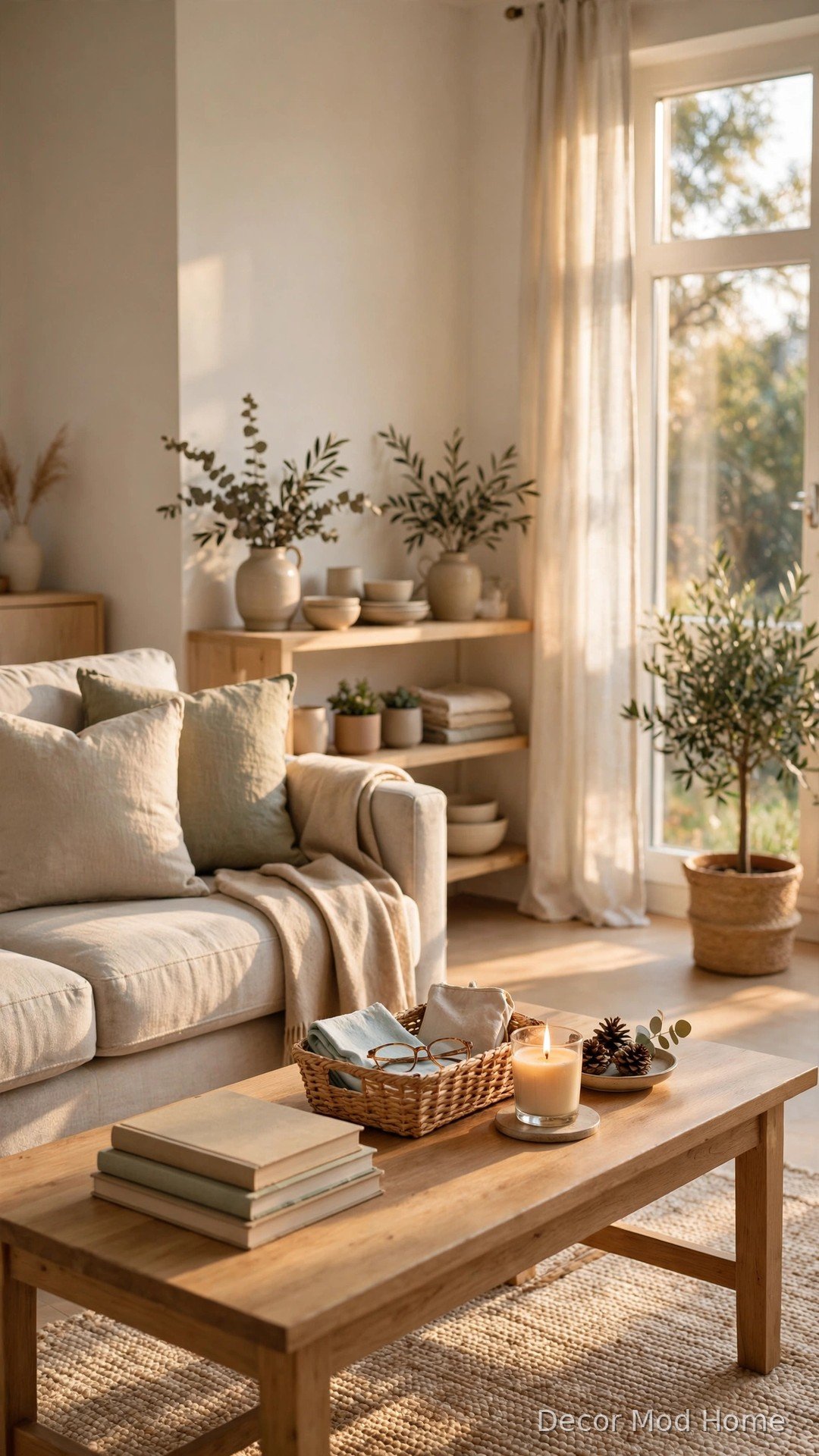
A gentle Sunday sweep ties all the other habits together. Once a week, spend twenty unhurried minutes walking through each room with a basket, collecting anything that has drifted out of place: stray chargers, magazines, hair ties, the odd sock, half-read books. Return everything to its home, empty the donation box into the car boot, and do a quick wipe of the most-used surfaces. Light a candle while you do it and treat it as a reset ritual rather than a chore — it is your way of handing a calm, fresh home to the week ahead. This weekly rhythm catches everything the daily habits missed, so clutter never gets a full seven days to take hold. End with a cup of tea in your tidy living room and enjoy the quiet satisfaction.
Frequently Asked Questions
How can I declutter without feeling overwhelmed?
Start small and slow — that is the whole philosophy behind these gentle daily routines. Choose just one habit, like the nightly reset or one drawer a day, and practise it for a week before adding another. Overwhelm comes from trying to fix everything at once; a calm home is built through tiny repeatable actions, not weekend marathons. Give yourself permission to go at your own pace, and celebrate the small wins: one tidy drawer is genuine progress.
How long do these decluttering habits take each day?
Most take under five minutes. The nightly reset is ten minutes, the drawer-a-day habit is five, and habits like one-in-one-out or touch-it-once take seconds. Combined, a full day of these habits amounts to roughly twenty to thirty minutes of gentle tidying spread across your whole routine. Because the effort is woven into things you already do — cooking, arriving home, getting ready for bed — it rarely feels like cleaning at all.
What is the easiest habit to start with?
Making your bed each morning is the simplest place to begin. It takes ninety seconds, requires no planning, and instantly makes your bedroom feel calm and finished. From there, add the landing zone by the door or the “touch it once” rule — both stop clutter at its source. Once those feel automatic, layer in the nightly reset, which multiplies the effect across the whole house overnight.
How do I keep my family on board with tidy-home habits?
Keep it light and make it easy: labeled baskets and a proper landing zone remove all guesswork, so nobody has to ask where things go. Turn the nightly reset into a timed family challenge with music, and give children their own small basket for their belongings. Focus on the shared benefit — a calmer home everyone enjoys — rather than policing the rules. When tidying is quick, visible, and rewarding, even reluctant family members join in.
A Calmer Home Is Closer Than You Think
You do not need a perfect house, an expensive organiser system, or a free weekend to feel at peace in your home. You just need a handful of small, kind habits repeated daily. Start with one or two from this list today — make your bed tomorrow morning, set up a landing zone this weekend, or do a ten-minute reset tonight — and let the calm build quietly from there. Which habit will you try first? Tell us in the comments, and explore more of our gentle home organisation guides to keep your tidy home feeling beautiful, restful, and effortlessly yours.