Maximize Your Square Footage: 5 Genius Living Room Layout for Small Spaces
Living Room Layout for Small Spaces: Designing a small living room often feels like solving a complex puzzle. You want it to be stylish, functional, and welcoming, but limited square footage can make furniture placement feel impossible. Whether you are decorating a cozy apartment or a compact house, the right layout can transform your space from cramped to comfortable. In this guide, we share five innovative and Pinterest-approved small living room ideas that prioritize flow, storage, and style, proving that big style truly comes in small packages.
1. The “Floating” Furniture Arrangement
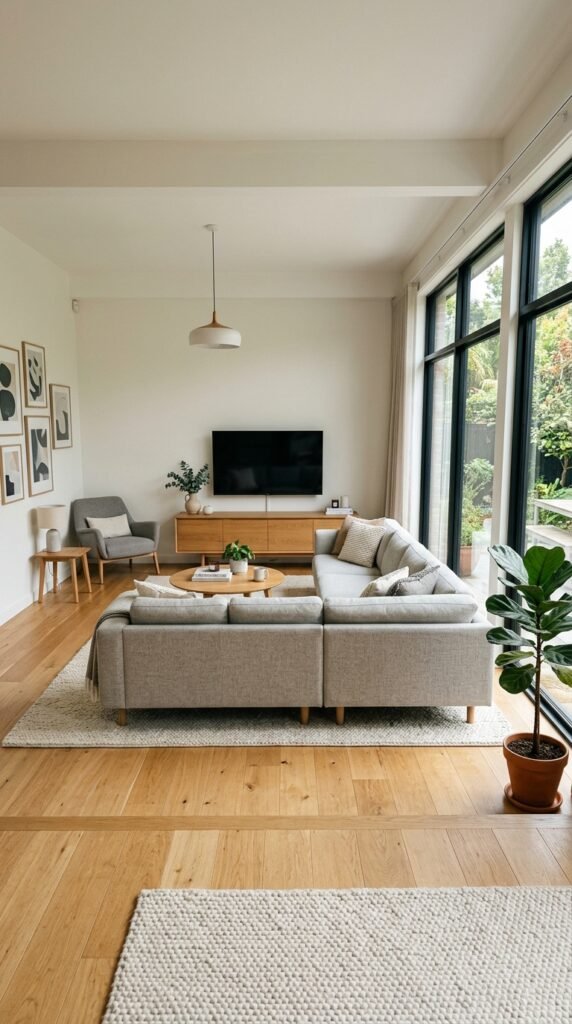
When dealing with limited space, pushing all your furniture against the walls is the biggest mistake you can make. This often makes the room feel like a hallway and cuts off intimate conversation areas. Instead, try “floating” your sofa away from the wall. This creates a functional pathway behind the furniture, allowing the room to breathe and traffic to flow smoothly. It is a powerful visual trick that makes the area feel larger by defining separate zones.
Furthermore, this layout allows you to utilize the wall behind the sofa for additional storage, such as a slim console table or a bookcase. This not only adds valuable surface area but also enhances the visual depth of the room. By floating the sofa towards the focal point, such as a fireplace or television, you create a more dynamic and inviting seating area. This modern arrangement immediately adds a designer touch to your small living room.
2. The Corner Sectional Power Play
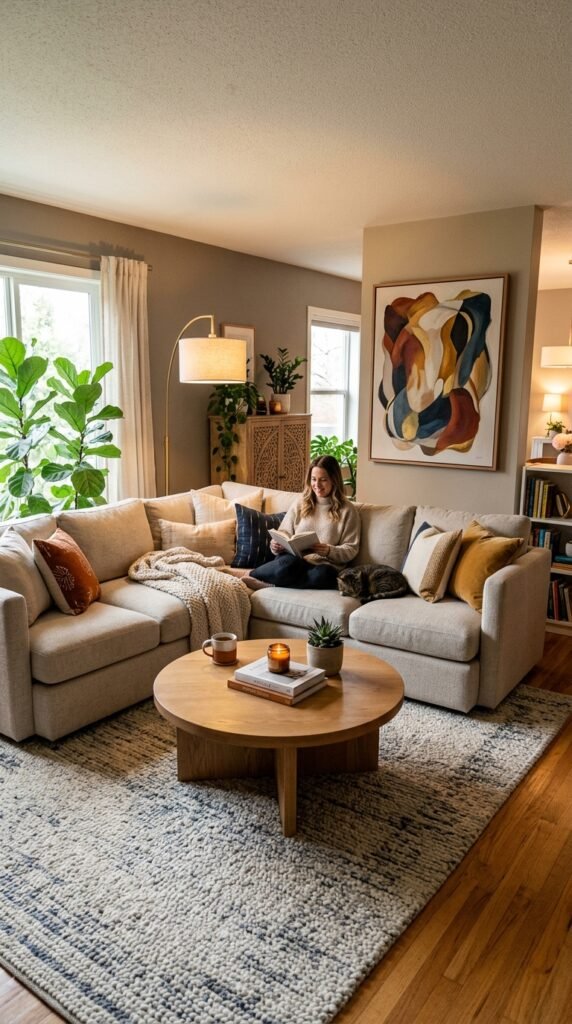
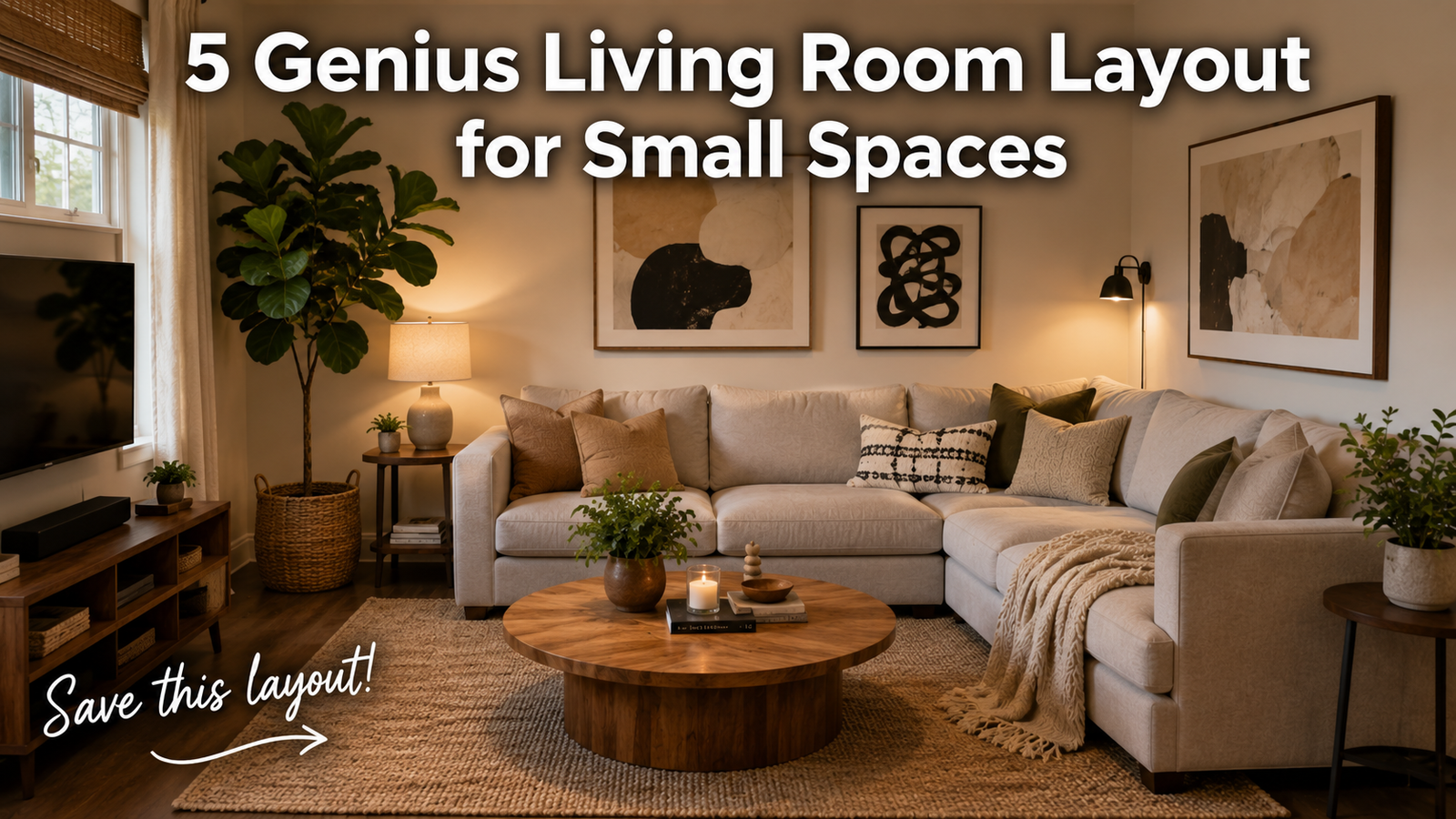
An L-shaped sectional is arguably the ultimate weapon for small living room layouts. It optimizes corner space that often goes unused while providing maximum seating in a minimal footprint. Positioning the sectional firmly in the corner opens up the center of the room, making it the perfect choice for families or those who love to entertain. This layout anchors the room effectively, creating a natural boundary for the seating area.
To ensure the space doesn’t feel bulky, pair your corner sofa with a round or oval coffee table. This breaks up the square geometry and allows for easier movement around the furniture. This configuration is particularly effective in studio apartments or open-plan spaces, as the sectional acts as a visual divider, separating the living area from the dining or kitchen space. It is a highly practical solution that combines comfort with strategic space-saving.
3. The “Divide and Conquer” Zone
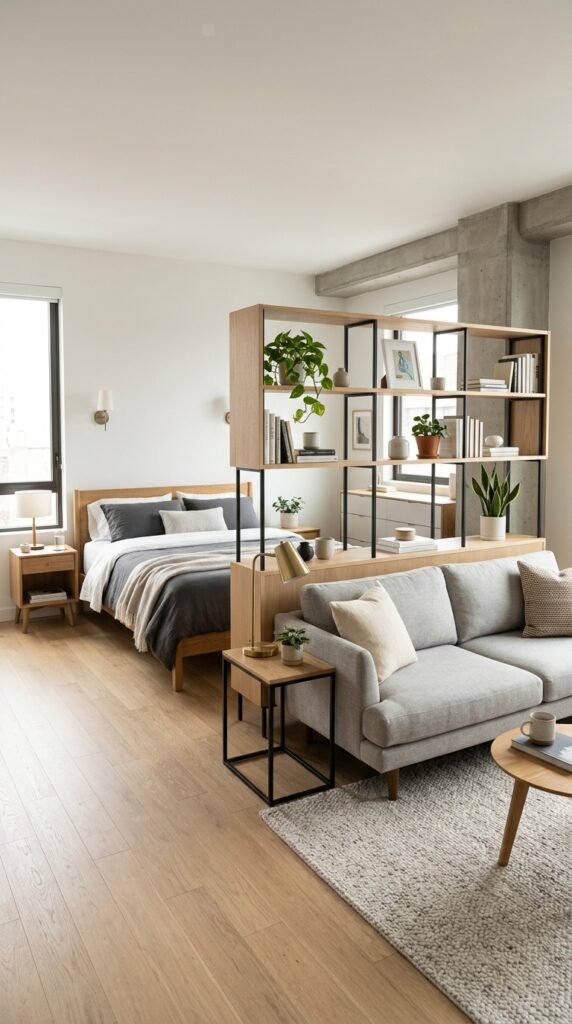
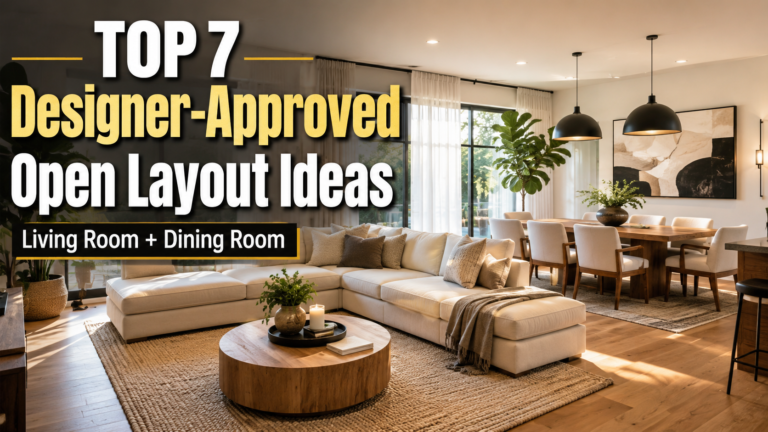
If you live in an open-plan studio or a loft, distinct zoning is essential to prevent your space from feeling like a warehouse. Instead of relying on permanent walls, use furniture as a subtle divider. Position the back of your sofa or a tall bookshelf to face the dining or sleeping area. This creates a visual and physical separation, giving the illusion of separate rooms without sacrificing precious square footage.
This zoning technique allows you to decorate each “room” with its own identity. You can run a different rug under the living area to anchor the seating and define the conversation zone. By creating separate zones, you reduce the chaotic feel of a single-room space and enhance the functionality of your home. This approach is highly effective for making a small studio feel like a luxurious, multi-room apartment.
4. Mixing and Matching Furniture Scales
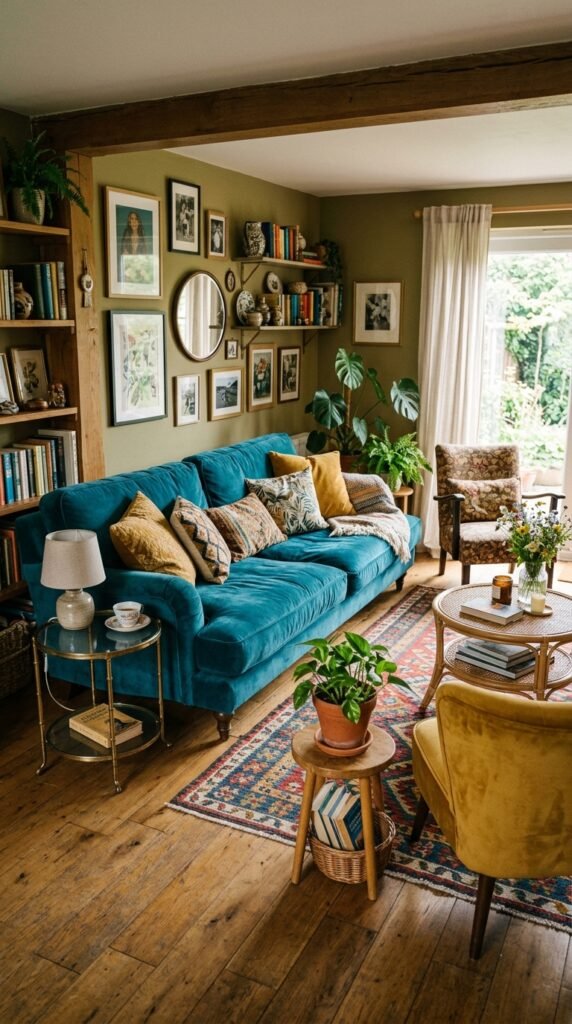
Many homeowners fear that a small room must be filled with only small furniture. However, mixing one or two larger-scale pieces with smaller accent pieces can actually make the room feel more substantial. A large sofa creates a major focal point and gives the illusion of a bigger room, while smaller side tables or delicate accent chairs keep the space from feeling overwhelmed. The contrast in scale adds visual interest and prevents the room from looking monotonous.
This design trick is particularly effective when you want to maintain a sense of grandeur without the square footage. For instance, a large, deep sofa provides luxury and comfort, while a lightweight, glass side table opens up the surrounding floor space. The key is balance; don’t over-clutter with too many large items. Let the large pieces anchor the room and use the small ones to provide functionality and style.
5. The Symmetrical Focal Point
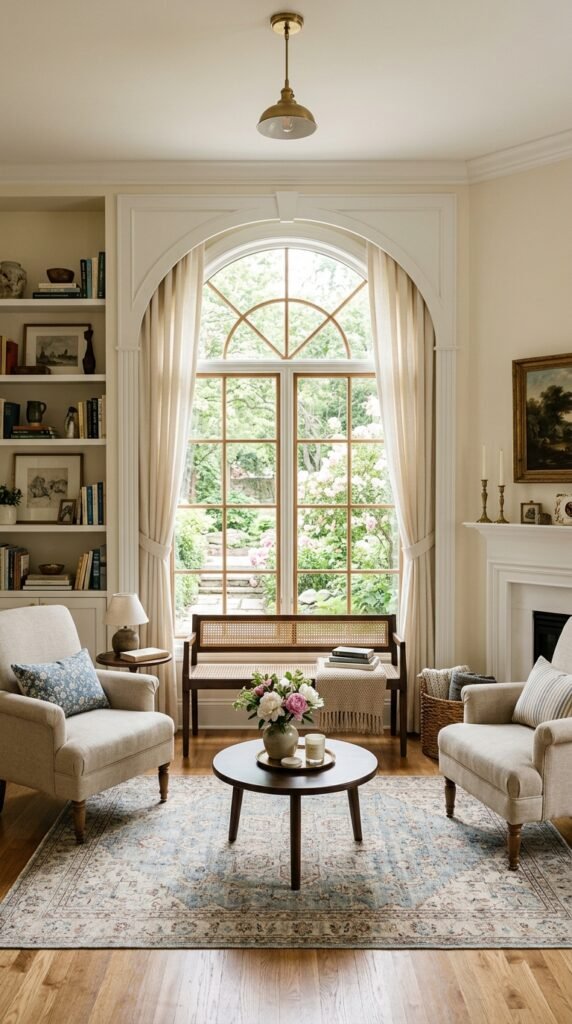
Symmetry is a classic design principle that brings order and calm to any space, but it is especially effective in small rooms. By creating a symmetrical layout, you instantly establish a clear visual anchor. Place two matching chairs on either side of your focal point—whether that is a window, fireplace, or an art piece. This creates a balanced conversation area that feels intentional and refined, drawing the eye upwards and making the ceiling feel higher.
While matching sofas are often too large for compact spaces, using a simple bench or a love seat centered in front of the focal point completes the look. This layout minimizes the need for excessive furniture while ensuring the room feels complete and well-proportioned. Symmetry simplifies the visual clutter, making a small room feel meticulously organized, spacious, and undeniably chic.
What is the 2/3 rule for living rooms?
The 2/3 rule means your sofa should occupy about two-thirds of the wall it sits against. Your area rug should also be large enough that the front legs of all seating pieces rest on it, covering roughly two-thirds of the seating area. This keeps your room balanced and proportional.
What is a good living room layout?
A good layout focuses on conversation, traffic flow, and your focal point (TV, fireplace, or window). For small spaces, top options include a corner L-shaped sectional, a floating sofa away from walls, or a symmetrical setup with matching chairs. Prioritize comfort and easy movement.
How to make a living room look luxurious?
Focus on quality over quantity: add a velvet or leather sofa, layer textures (rugs, throws, cushions), use warm layered lighting, and keep clutter away with smart storage. Add metallic accents like gold or brass, and include fresh greenery or flowers for an instant elegant touch.