25 Small Space Living Ideas That Make Any Home Feel Bigger
Living in a compact footprint often feels like a puzzle where the pieces do not quite fit, but the right design choices transform a cramped room into a breathable sanctuary. By focusing on light, scale, and multi-functional furniture, anyone can implement small space living ideas that make any home feel bigger without knocking down walls. These strategies prioritize visual flow and smart storage, ensuring that every square inch serves a purpose while maintaining an aesthetic that feels open and intentional. Embracing a minimalist yet cozy mindset allows for a home that feels curated rather than cluttered.
The secret to maximizing a tiny floor plan lies in the art of distraction and the clever use of vertical space. When the eye is encouraged to move upward or through transparent materials, the physical boundaries of a room seem to recede. This collection of practical adjustments focuses on specific textures, colors, and layouts that have been proven to expand the perception of space. Whether it is a studio apartment or a narrow cottage, these small-scale interventions create a significant impact on daily comfort and the overall atmosphere of the home.
Vertical Storage and Wall-Mounted Solutions
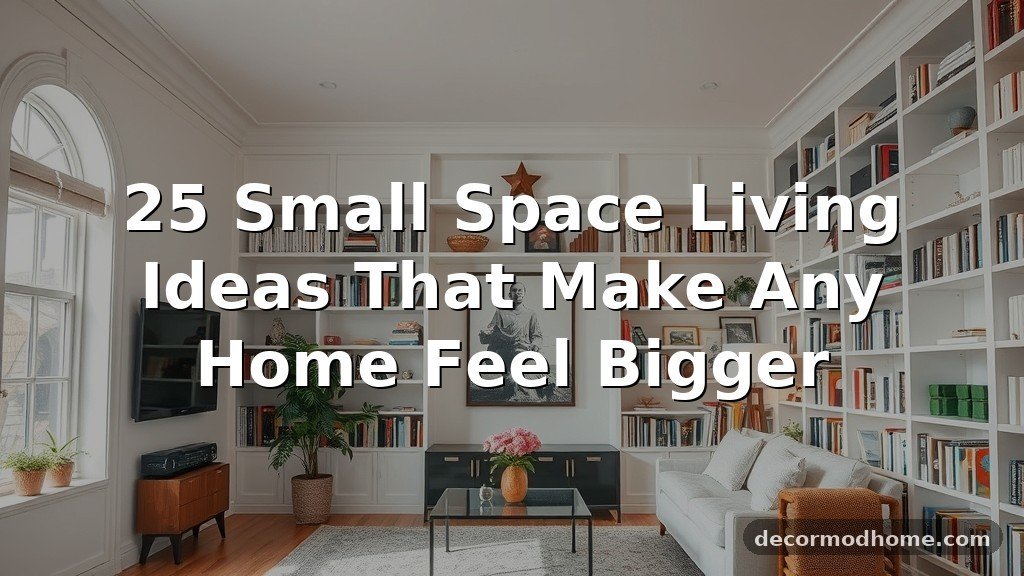
1. Floor-to-Ceiling White Bookshelves
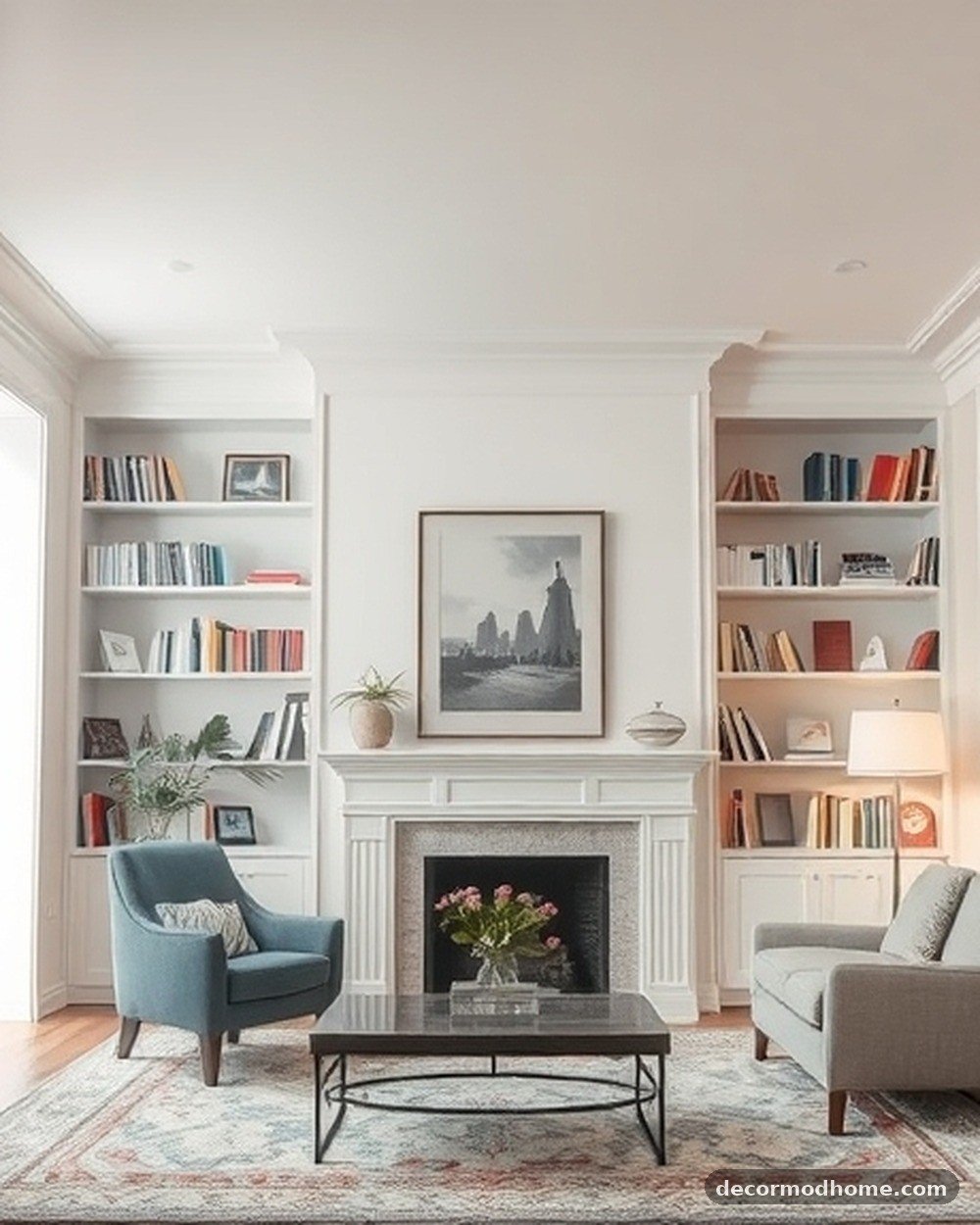
These tall units draw the eye upward, making the ceiling appear higher than it actually is. By painting the shelves the same white as the walls, the furniture blends into the architecture, preventing a heavy, bulky look. This provides massive storage for books and decor without eating up the visual center of the room.
In a tiny studio apartment, a homeowner installed three tall, narrow bookcases side-by-side and added crown molding at the top. The result looked like custom built-ins that housed a library and a bar, making the 400-square-foot space feel like a sophisticated loft.
2. Slim Black Metal Wall Sconces
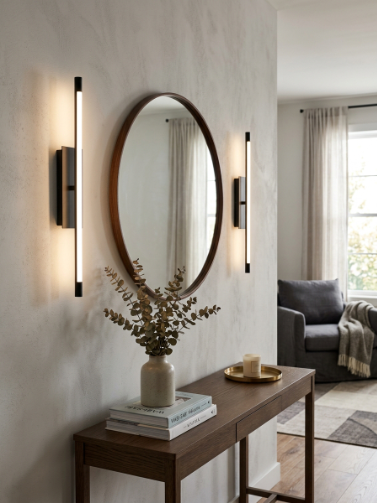
Swapping bulky floor lamps for wall-mounted sconces frees up valuable floor space. Choosing a matte black finish provides a sharp, modern contrast against light walls. Swing-arm models are particularly useful because they can be tucked against the wall when not in use or pulled over a chair for reading.
A narrow bedroom had no room for nightstands with lamps. The owner mounted two adjustable black sconces above the headboard, allowing for cozy nighttime reading without any cords cluttering the floor or taking up the tiny walkway beside the bed.
3. Clear Acrylic Floating Ledges
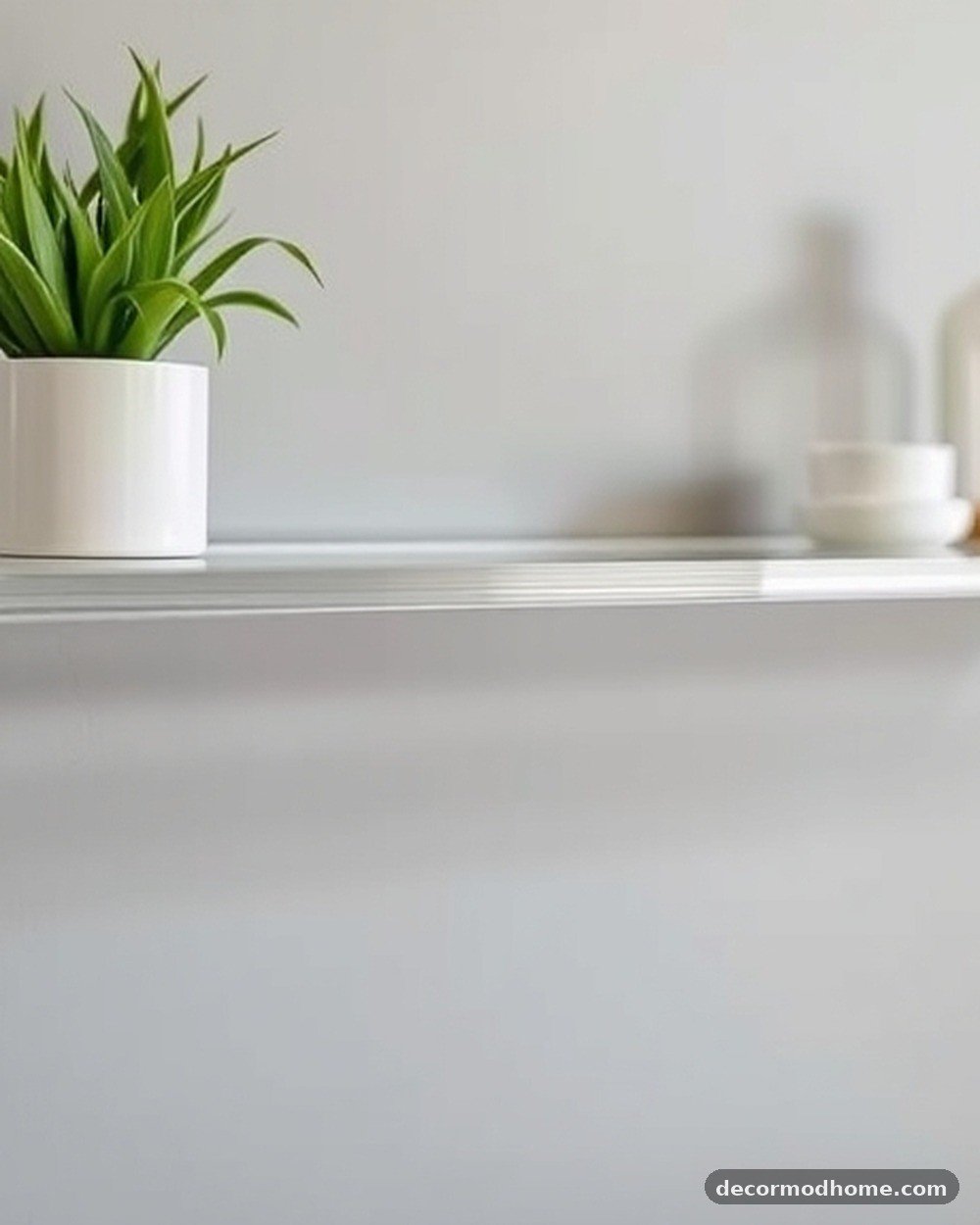
Transparent shelves allow you to display items without adding visual weight to the walls. Made from thick, polished lucite, these ledges seem to disappear, letting the items “float.” They are perfect for narrow hallways or behind doors where a traditional shelf would feel too intrusive.
A small bathroom used clear acrylic ledges over the toilet to hold glass jars of cotton balls and skincare bottles. Because the shelves were invisible, the small room didn’t feel any narrower, yet everything stayed organized and within reach.
4. Hanging Macrame Plant Holders
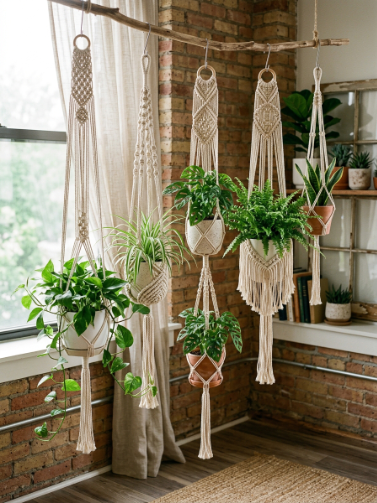
Bringing greenery into a small home often takes up precious table or floor space. Using cream-colored cotton macrame hangers allows you to suspend plants from the ceiling or curtain rods. This adds life and texture at eye level while keeping surfaces clear for other necessities.
In a kitchen with almost no counter space, the resident hung a tiered macrame basket from a ceiling hook near the window. It held fresh herbs and trailing ivy, adding a lush, garden feel without sacrificing an inch of prep space.
5. Vertical Shiplap Wall Panels
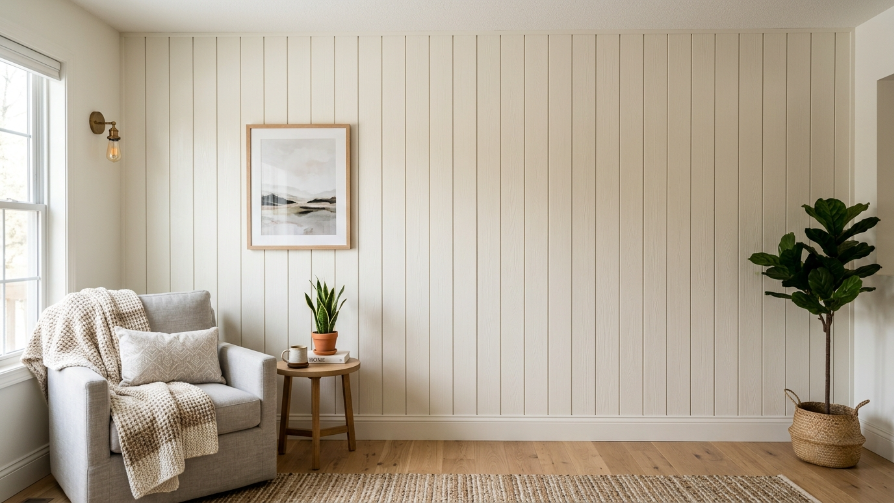
Installing thin wooden planks vertically on a focal wall creates long, unbroken lines that lead the eye to the ceiling. Painting them a soft off-white or a very pale sage green adds subtle texture. This architectural detail makes a standard eight-foot ceiling feel much loftier than it is.
A homeowner added vertical shiplap to a tiny entryway nook. By painting the planks and the door the same shade of misty grey, the small transition area felt taller and more expensive than the plain drywall it replaced.
Multi-Functional and Low-Profile Furniture
6. Round Glass-Top Dining Table
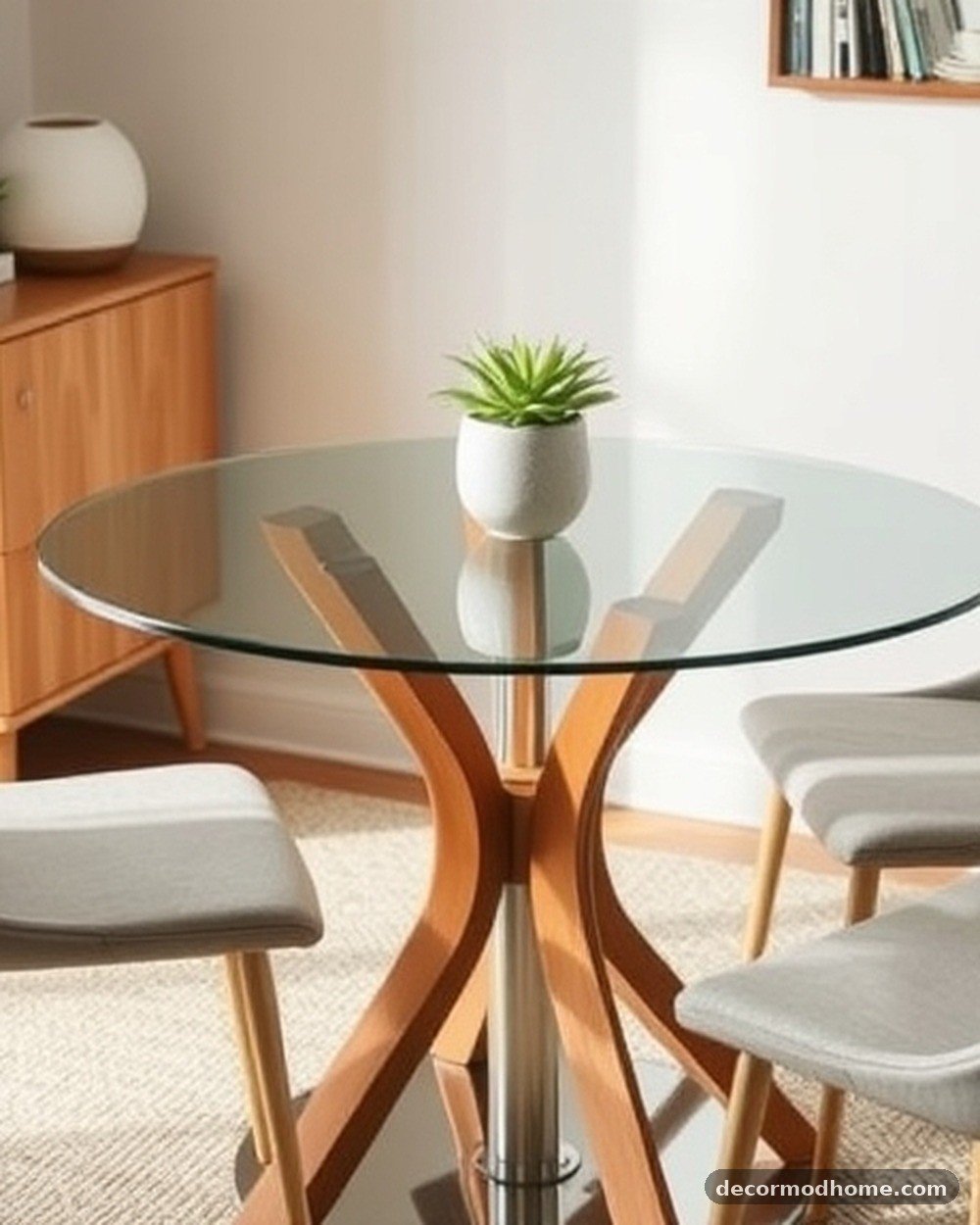
A circular table with a glass top eliminates sharp corners and allows the eye to see right through to the floor and the chairs. This lack of a solid visual barrier makes the dining area feel significantly more open. The round shape also makes it easier to navigate around in tight quarters.
In a combined living and dining area, a 36-inch glass table replaced a heavy wooden rectangle. Suddenly, the room felt twice as wide because the floor rug was visible through the table, and traffic flow improved instantly.
7. Velvet Storage Ottoman Bench
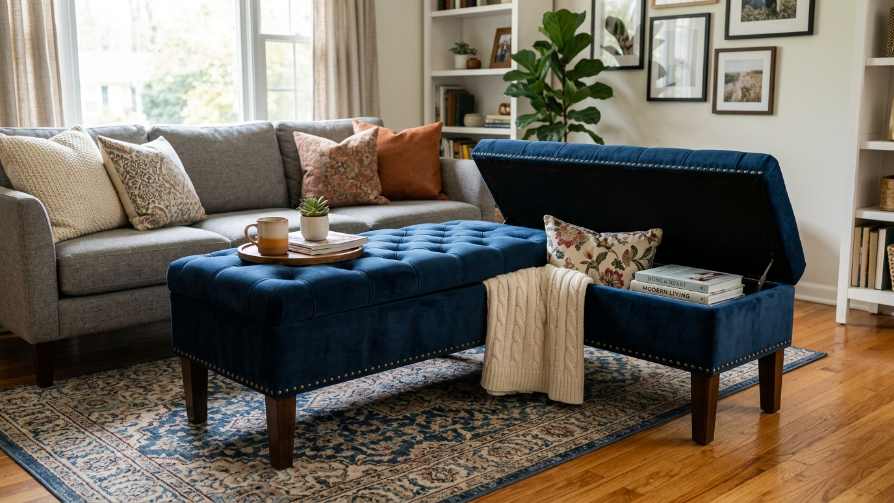
Replacing a traditional coffee table with a long, rectangular storage ottoman provides a soft surface for feet, extra seating for guests, and hidden storage for blankets. Choosing a rich navy or emerald velvet adds a touch of luxury while the internal compartment keeps clutter out of sight.
A family used a grey velvet ottoman in their small living room to hide their toddler’s toys every evening. During the day it was a play surface, and at night it became a footrest, keeping the room looking tidy and adult-centric.
8. Nesting Walnut Side Tables
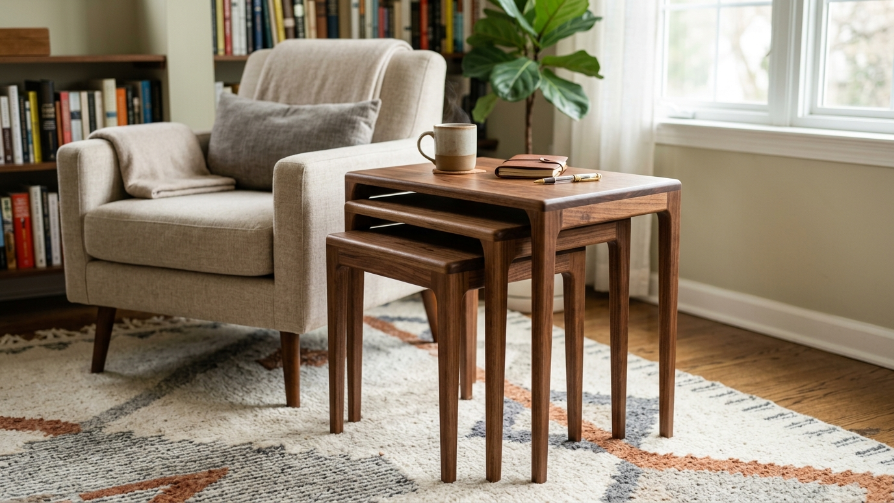
Nesting tables offer flexibility without a permanent footprint. A set of three walnut tables can be stacked together when you are alone, then pulled out and scattered around the room when you have guests. The warm wood tone adds character without the bulk of a large end table.
During a movie night in a small apartment, the host pulled out the two smaller nesting tables to hold drinks and popcorn for friends. When the movie ended, the tables tucked back under the main one, leaving the floor clear for yoga the next morning.
9. Armless Low-Profile Sofa
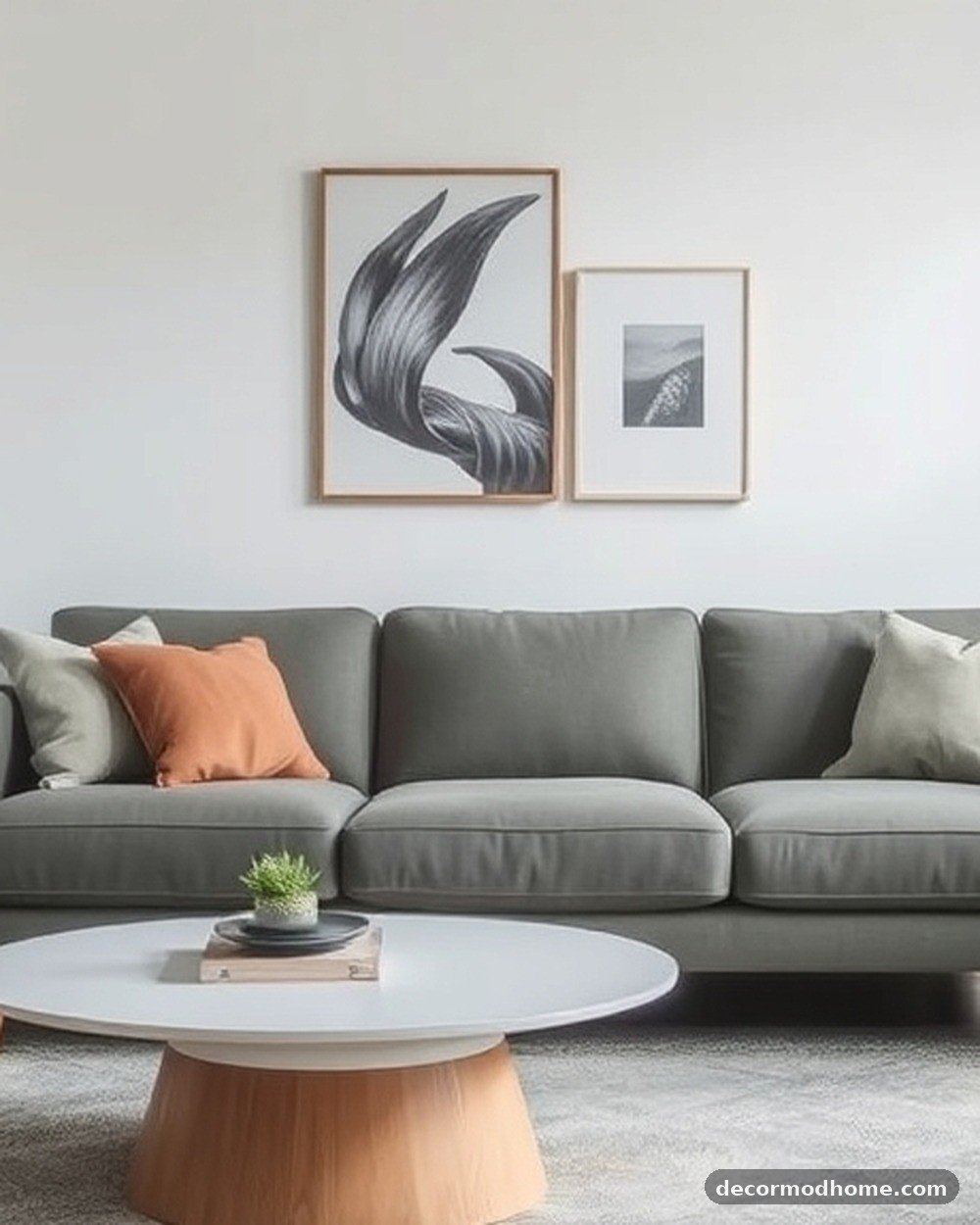
Sofas with high arms can box in a room and make it feel smaller. An armless design, or one with very low, slim arms, creates an unobstructed horizontal line. Choosing a sofa with tapered wooden legs that lift the base off the floor also helps the room feel less crowded.
A narrow living room felt cramped with a traditional rolled-arm couch. Replacing it with a sleek, armless linen sofa in a light oatmeal color opened up the view to the window and made the entire seating area feel more spacious.
10. Murphy Desk with Chalkboard Front
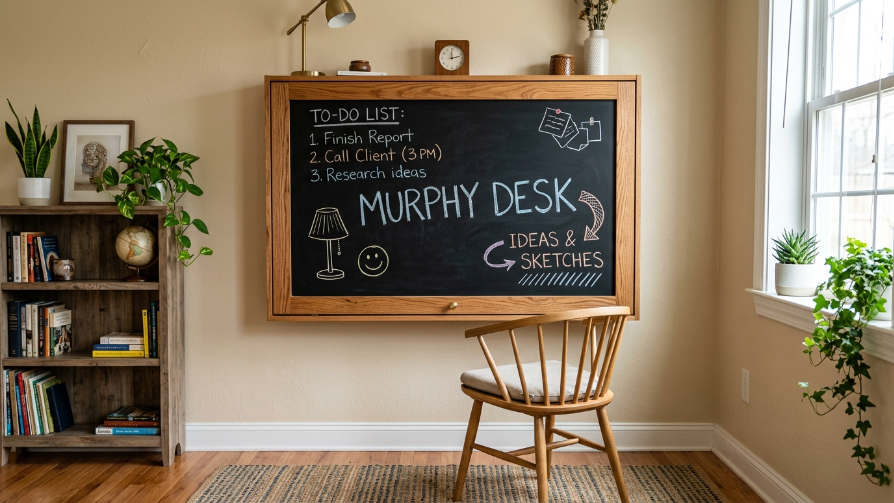
A wall-mounted desk that folds up when not in use is the ultimate space-saver for a home office. When closed, the underside can feature a chalkboard or a framed mirror. This provides a functional workspace during the day and a clean, decorative wall by night.
A freelance writer installed a Murphy desk in the corner of her bedroom. After finishing work, she folded the desk up to reveal a chalkboard where she kept her weekly grocery list, completely hiding her laptop and office supplies from her sleeping area.
Reflective and Transparent Elements
11. Oversized Leaner Floor Mirror
A large mirror propped against a wall acts like a second window, reflecting light and the opposite side of the room. A thin black or gold frame keeps the look modern. Placing it opposite a light source or a doorway creates the illusion of an entirely new room beyond the glass.
In a dark, windowless hallway, a six-foot-tall arched mirror was leaned against the far wall. It reflected the light from the living room, making the hallway feel bright and twice as long as it actually was.
12. Glossy Pale Grey Floor Tiles
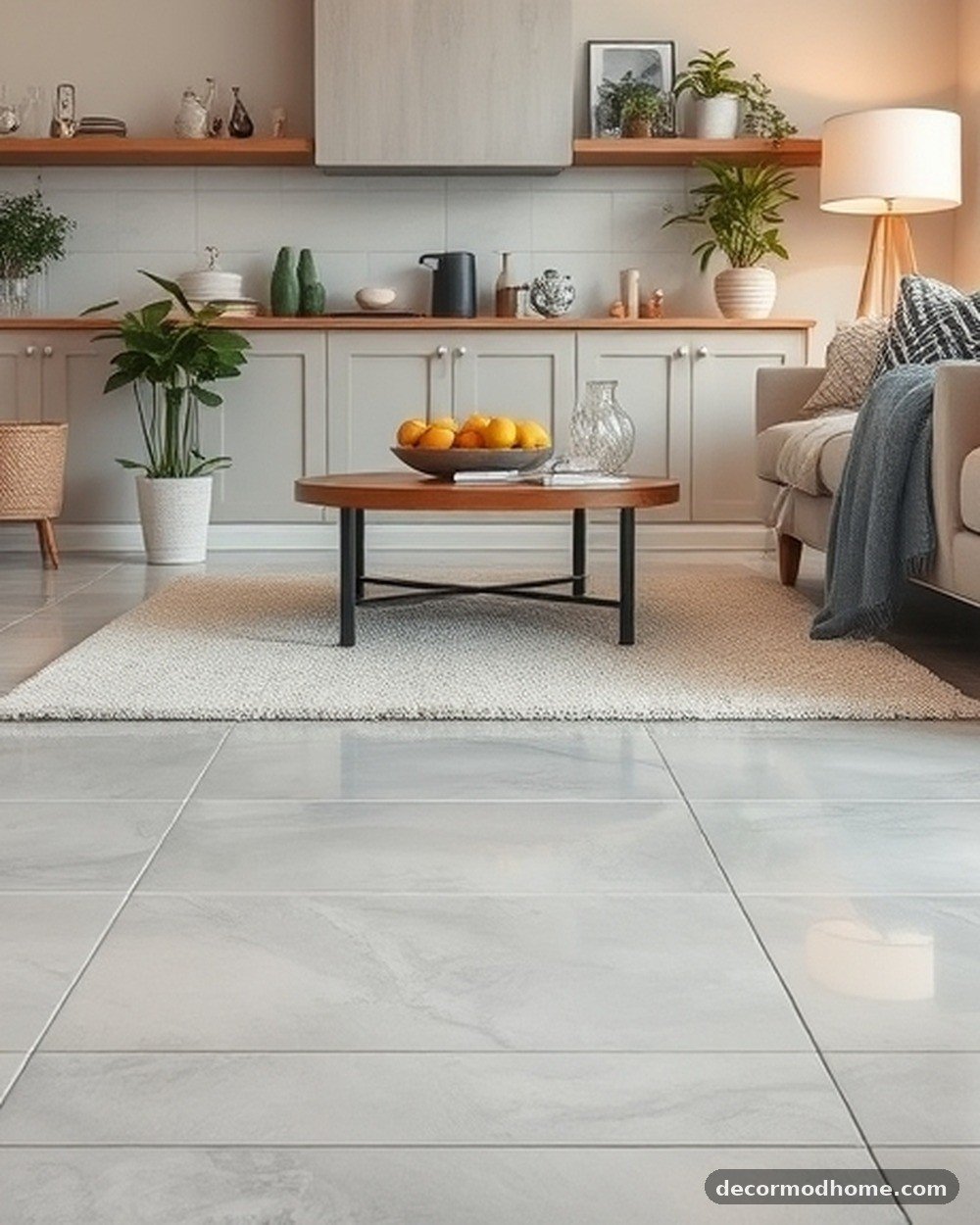
Large-format tiles with a polished finish reflect overhead lighting and window glare, brightening the entire floor plane. A pale grey color is neutral and modern, and the minimal grout lines of large tiles create a seamless look that expands the floor area visually.
A small kitchen renovation used 24-inch glossy tiles. The reflection of the under-cabinet lighting on the floor made the narrow galley feel much wider and cleaner, giving the space a high-end, airy atmosphere.
13. Mirrored Wardrobe Sliding Doors
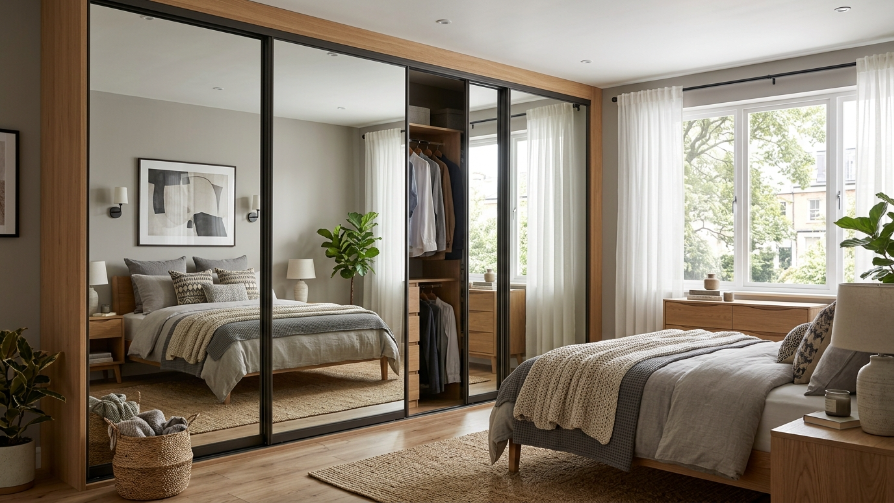
Replacing standard closet doors with full-length mirrored sliders serves a dual purpose: it provides a dressing mirror and doubles the perceived size of the bedroom. The sliding mechanism also means you do not need clearance space for a door to swing open.
A primary bedroom was so small that the bed almost touched the closet. By installing mirrored sliding doors, the room appeared to continue into the reflection, and the owner could finally access their clothes without moving furniture.
14. Metallic Champagne Accent Trim
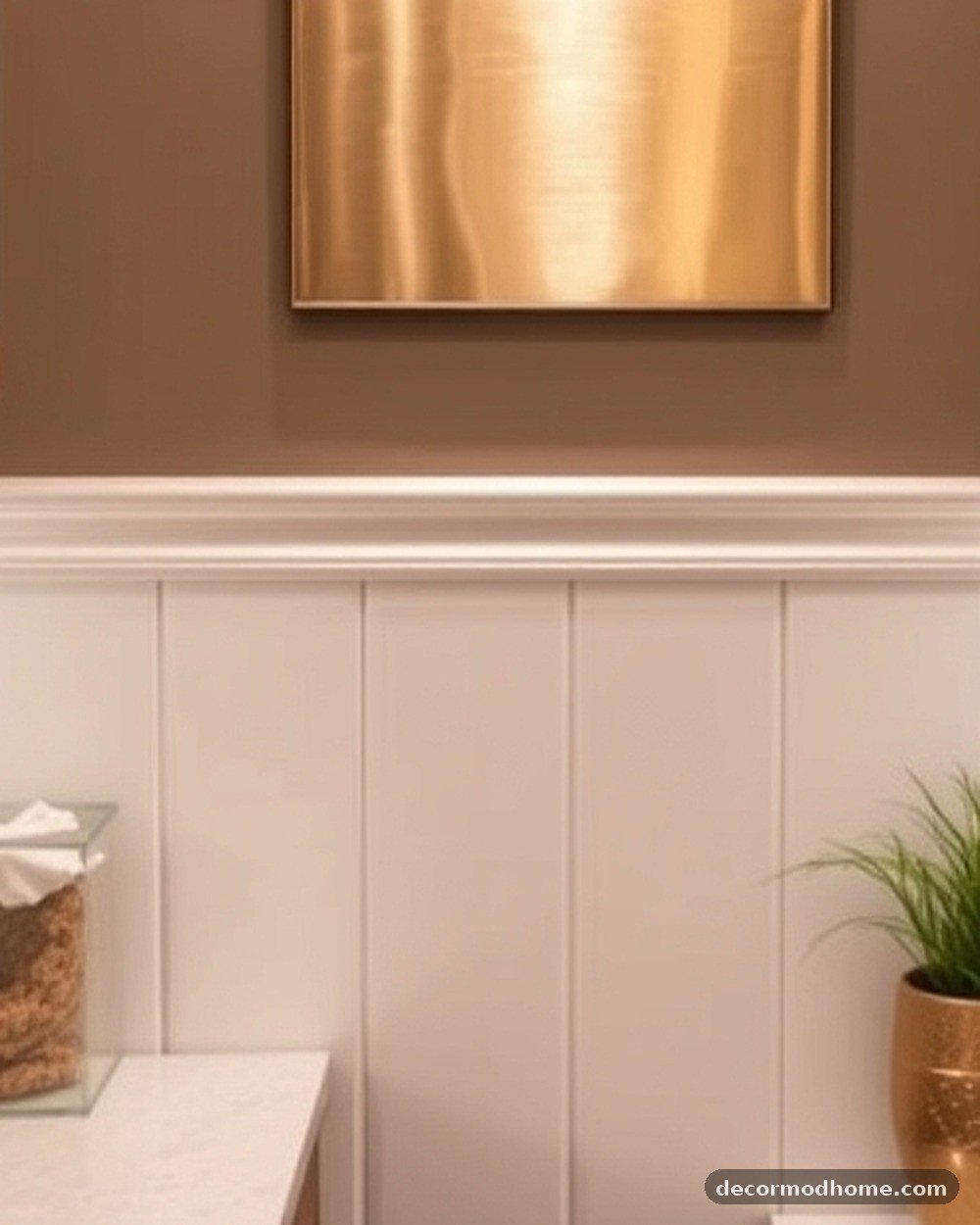
Adding small touches of metallic finishes, like champagne gold or polished chrome, helps bounce light around a room. This can be done through picture frames, tray edges, or furniture legs. These “glints” of light prevent flat surfaces from feeling dull and heavy.
A small living room featured a coffee table with champagne-colored metal legs. These thin, reflective supports caught the afternoon sun, making the furniture feel light and airy rather than a solid block in the middle of the rug.
15. High-Gloss Lacquer Ceiling Paint
Painting the ceiling in a high-gloss finish, especially in a light color like cream or sky blue, creates a reflective surface overhead. This technique, often called a “mirror ceiling,” makes the boundaries of the room feel limitless as it reflects the lamps and decor below.
In a small dining nook with low ceilings, the designer used a high-gloss white paint on the ceiling. At night, the glow from the chandelier reflected off the ceiling, making the room feel twice as tall and incredibly glamorous.
Window and Light Tricks
16. Sheer White Linen Curtains
Heavy drapes can swallow a small room. Sheer linen curtains allow natural light to filter through while providing privacy. The lightweight fabric moves with the breeze, adding a sense of airiness. Using a crisp white color keeps the window area looking clean and expansive.
A ground-floor apartment used sheer white curtains to block the view from the street. Because the fabric was so light, the room remained flooded with sunlight all day, preventing the “cave” feeling often found in city rentals.
17. Bamboo Roman Shades
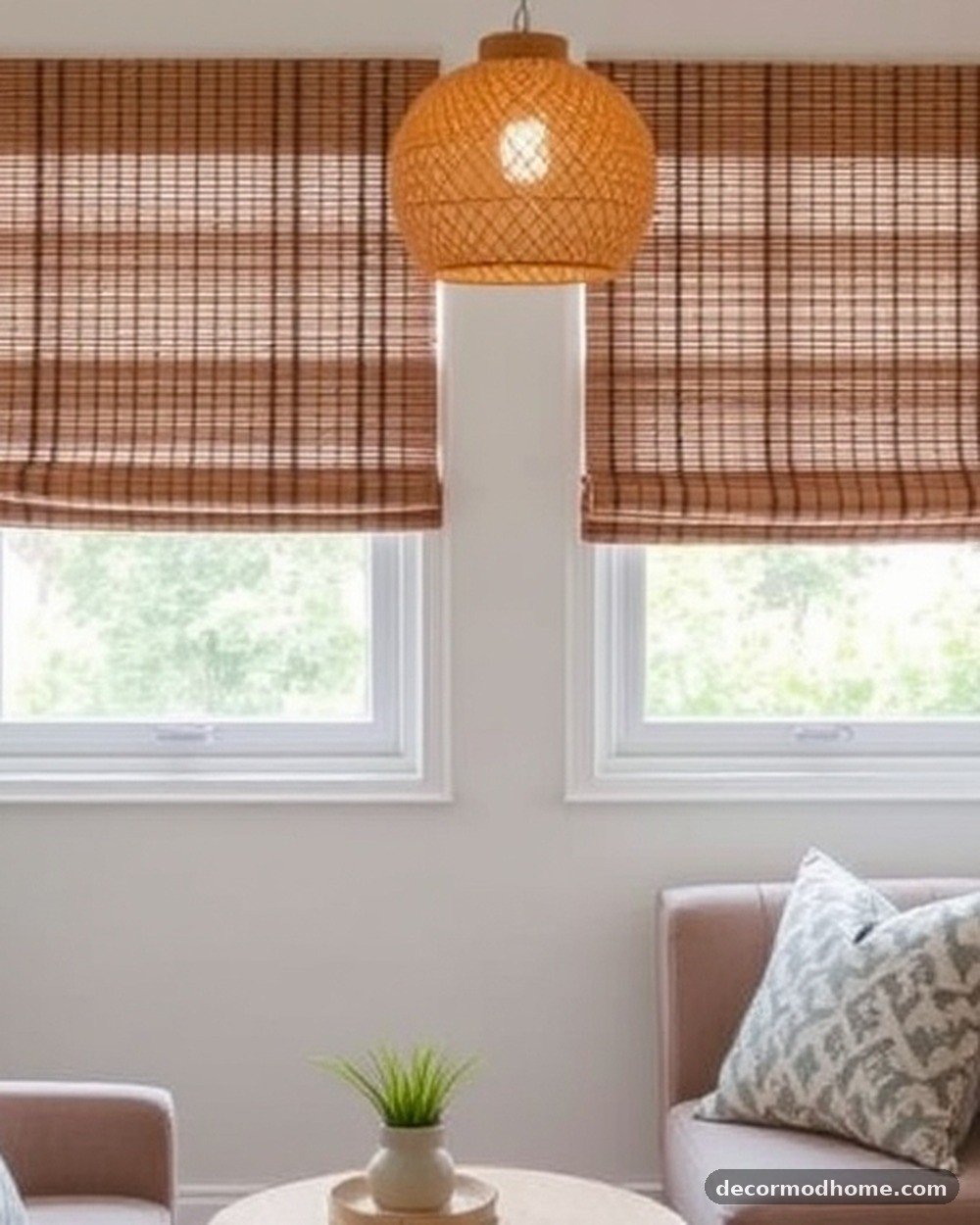
For a clean, structured look that doesn’t take up wall space, bamboo shades are ideal. They fit inside the window frame, leaving the surrounding wall clear. The natural texture adds warmth, and when raised, they tuck into a neat stack that doesn’t block the view.
In a small kitchen, a bamboo shade was installed inside the window over the sink. It provided a natural, earthy element that complemented the white cabinets without the bulk of traditional fabric curtains hanging near the stove.
18. Ceiling-Mounted Curtain Tracks
Instead of mounting curtain rods just above the window, use tracks attached directly to the ceiling. Hanging curtains from the very top of the wall to the floor creates long vertical lines. This makes the windows look massive and the walls appear significantly taller.
A bedroom with small, standard windows felt much grander after the owner installed ceiling tracks. The floor-to-ceiling velvet drapes made the entire wall look like a window, giving the room a luxury hotel feel despite its small size.
19. Lucite Curtain Rods
Lucite or clear acrylic curtain rods are a subtle way to hang window treatments without adding another visual line to the room. With brass or silver brackets, they look like jewelry for the windows. They are virtually invisible from a distance, keeping the focus on the light.
In a nursery with a lot of colorful wallpaper, clear lucite rods were used to hang simple white curtains. The rods didn’t compete with the busy pattern, allowing the small room to stay organized and visually quiet.
20. Frosted Glass Window Film
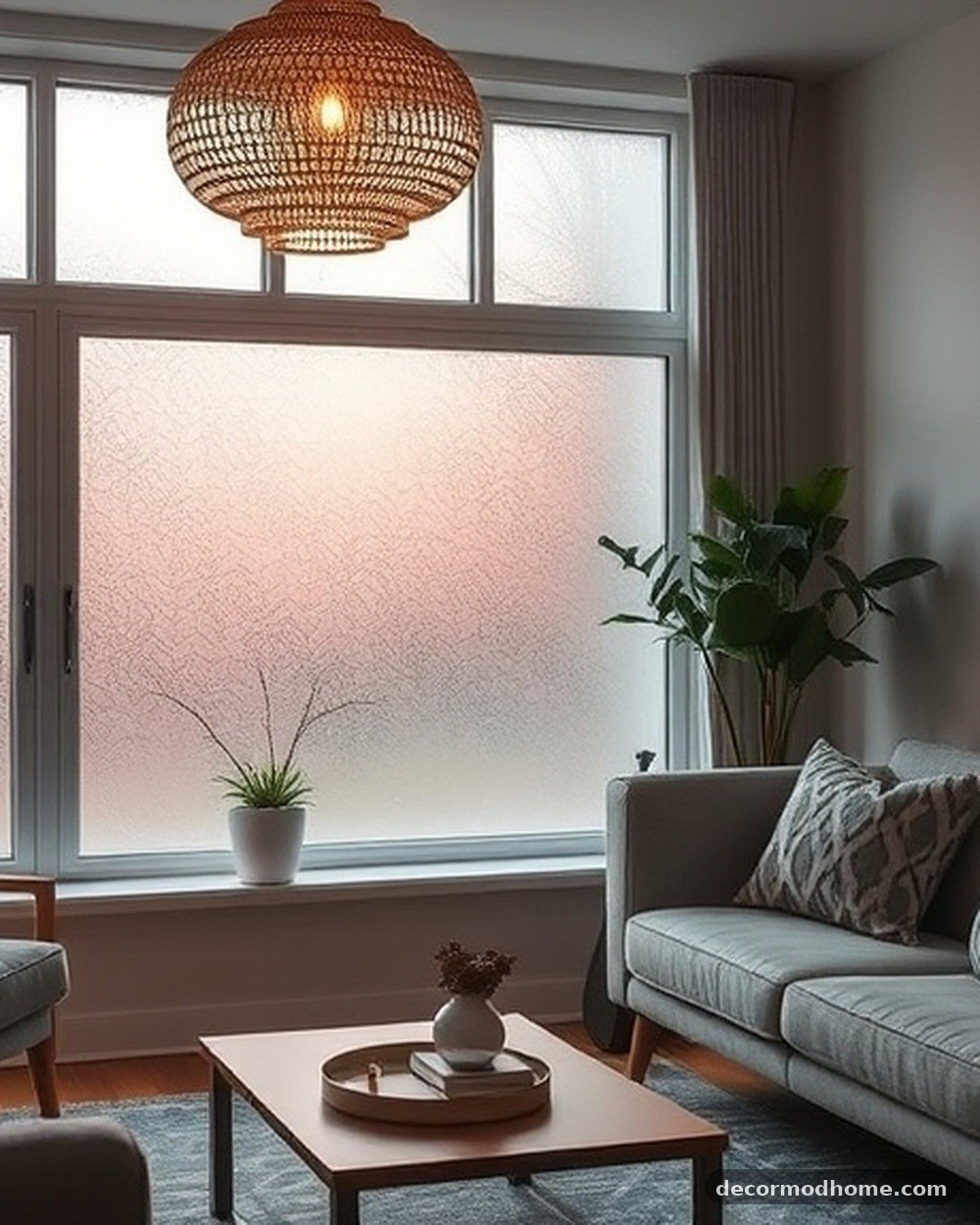
If you have a window with an unattractive view or a need for total privacy, frosted film is better than heavy blinds. It lets in 100% of the light while obscuring the view. This keeps the room bright and prevents the “closed-in” feeling of solid shutters.
A small home office faced a brick wall just three feet away. The owner applied a frosted geometric film to the lower half of the window, which hid the bricks but let in the morning sun, making the desk area feel bright and private.
Color and Layout Strategy
21. Monochromatic Soft Beige Palette
Using varying shades of the same neutral color—like oatmeal, sand, and cream—removes visual “stops” in a room. When the walls, rug, and sofa are all in the same color family, the eye moves smoothly across the space, making it feel much larger and more cohesive.
A tiny living room was decorated entirely in shades of “greige.” The lack of high-contrast colors meant that the boundaries of the corners were softened, creating a calm, expansive environment that felt like a cozy cocoon rather than a small box.
22. Low-Pile Jute Area Rug
A large, low-pile rug that covers most of the floor makes a room feel more expansive than several small rugs. Jute is a great material because it is thin and doesn’t add much height, allowing doors to swing easily. Its natural tan color provides a grounded, airy base.
In a small studio, one oversized 9×12 jute rug was used to anchor the entire living and sleeping area. Covering the mismatched hardwood floor with one continuous texture made the whole apartment feel like one large, intentional suite.
23. Exposed Leg Mid-Century Chairs
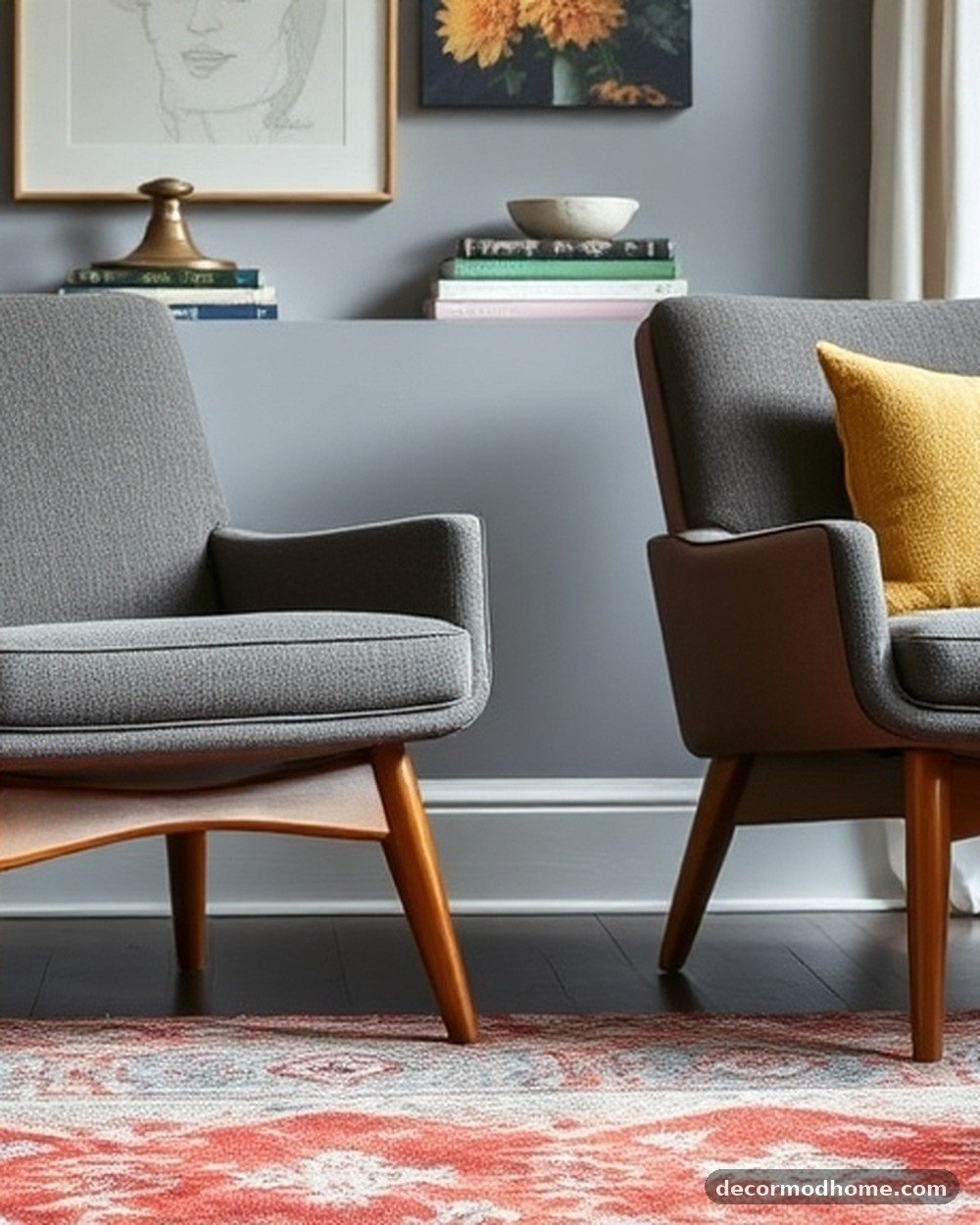
Furniture that sits directly on the floor can look heavy. Choosing chairs with tapered, exposed wooden or metal legs allows you to see the floor underneath the seat. This “negative space” is a classic trick to make the floor area appear larger than it is.
A pair of mid-century modern armchairs with thin oak legs replaced a bulky recliner. The change allowed the patterned rug to be seen underneath the chairs, which immediately made the small seating nook feel less congested and more stylish.
24. Tinted Glass Pendant Lights
Large, solid light fixtures can dominate a small ceiling. A pendant light made of lightly tinted glass—like smoke grey or amber—provides a focal point without blocking the line of sight. It provides necessary illumination while maintaining a sense of transparency and lightness.
Over a small kitchen island, two smoke-glass globes were hung. They provided plenty of light for cooking but didn’t cut the room in half visually, allowing the open-concept living area to feel unified and spacious.
25. Built-in Window Seat with Drawers
Utilizing the space under a window for a built-in bench provides extra seating and deep storage drawers. By painting the bench the same color as the walls, it feels like part of the house rather than a piece of furniture taking up floor space.
A narrow sunroom was transformed by adding a custom window seat. The deep drawers underneath held all the family’s board games and linens, while the top provided a sunny reading nook that didn’t require any additional chairs or cabinets.
Frequently Asked Questions
How can I make my small living room feel larger on a budget?
The most affordable way to expand a room is through paint and light. Use a single light color for the walls and trim to remove visual boundaries. Adding a large, inexpensive mirror from a thrift store and hanging your curtains high and wide can also create a massive difference for very little cost.
What is the best color for a small room?
While bright whites are a classic choice for reflecting light, soft “cool” colors like pale blue or light grey can also make walls appear to recede. Surprisingly, very dark colors like charcoal or navy can also work in small spaces by blurring the corners and creating a sense of infinite depth.
How do I organize a small house with no storage?
Look for “hidden” storage opportunities, such as the space under the bed, the backs of doors, and the very top of kitchen cabinets. Use uniform bins and baskets to keep these areas looking intentional rather than cluttered. Vertical wall space is your best friend; use hooks and floating shelves whenever possible.
Can I use large furniture in a small space?
Yes, sometimes one large, comfortable piece is better than several small, spindly pieces that make a room look “bitsy.” The key is to choose a large piece with a low profile or exposed legs. A single large rug is almost always better than multiple small rugs, as it unifies the floor plane.
The Path to a More Spacious Home
Finding the right balance between utility and style is the secret to successful urban living. Transitioning from a cluttered environment to one that breathes requires a shift in how we perceive boundaries and light. When you apply small space living ideas that make any home feel bigger, you create a backdrop for a more organized and peaceful lifestyle. It is about choosing pieces that work double duty and colors that invite the eye to linger rather than stop at the nearest wall. Start with one corner or one room, and watch how a few intentional changes ripple through the entire house.
Creating a home that feels expansive is less about the actual square footage and more about the way you direct the movement of light and sightlines. By implementing a few of these specific design choices, you can turn a modest dwelling into a place that feels grand and welcoming. Whether you are swapping out a heavy coffee table for a clear one or simply hanging your curtains a bit higher, every small adjustment contributes to a more open atmosphere. If you have a favorite trick for maximizing a tiny room, sharing those personal victories can help others see the potential in their own four walls.