15 Sectional Living Room Layout Ideas Not Against the Wall
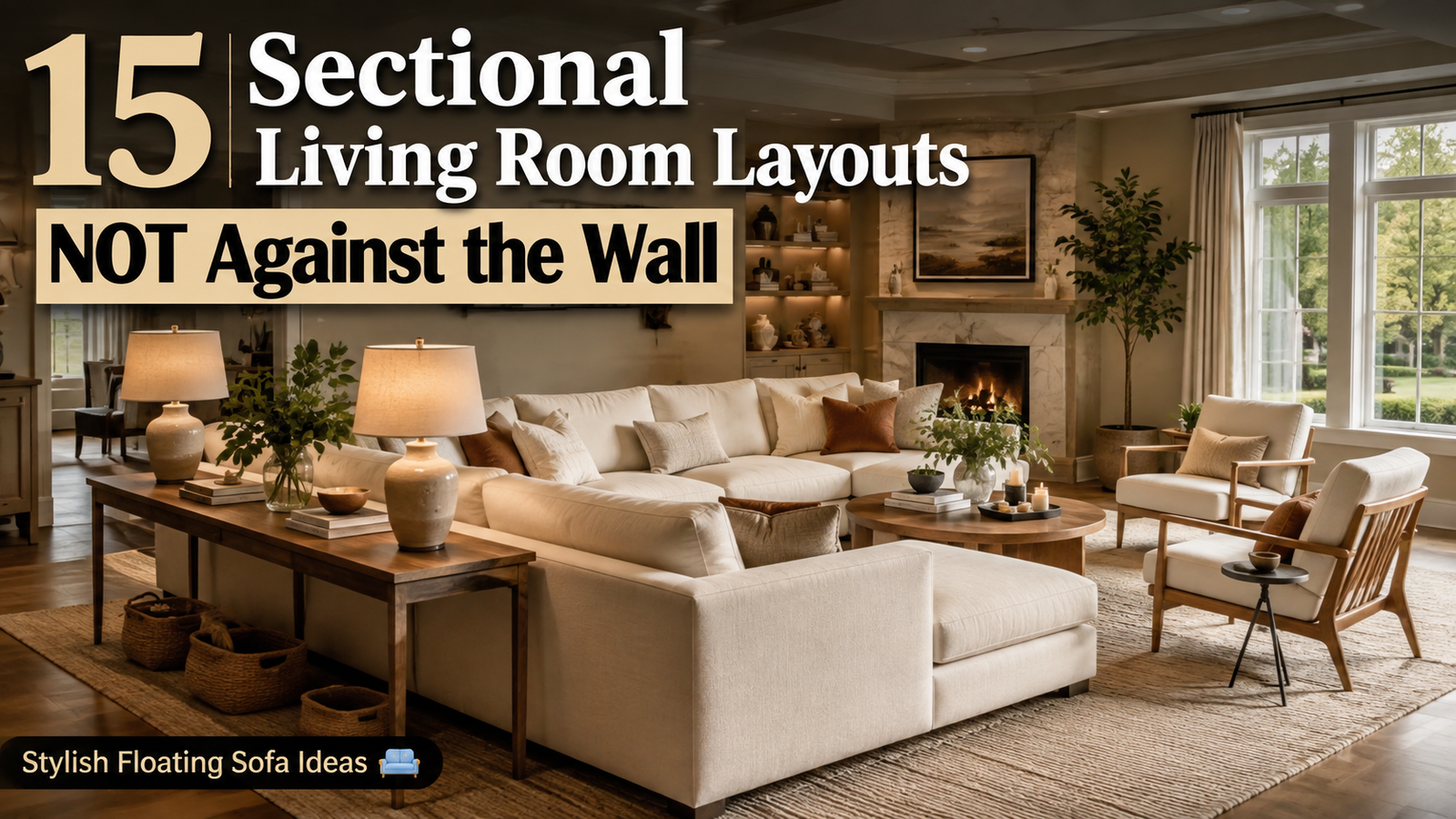
Sectional Living Room Layout Not Against Wall: A sectional sofa doesn’t always have to sit against a wall. In fact, placing a sectional living room layout not against the wall can make your space feel more intentional, spacious, and designer-inspired. Floating a sectional can help define separate zones, improve conversation areas, create better traffic flow, and make an open-concept room feel more organized.
Whether you have a small apartment, a large open-plan home, or a cozy family room, there are plenty of creative ways to position your sectional away from the walls. These sectional living room layout ideas will help you create a comfortable, balanced, and Pinterest-worthy room without sacrificing functionality.
1. Float the Sectional in the Center of the Room
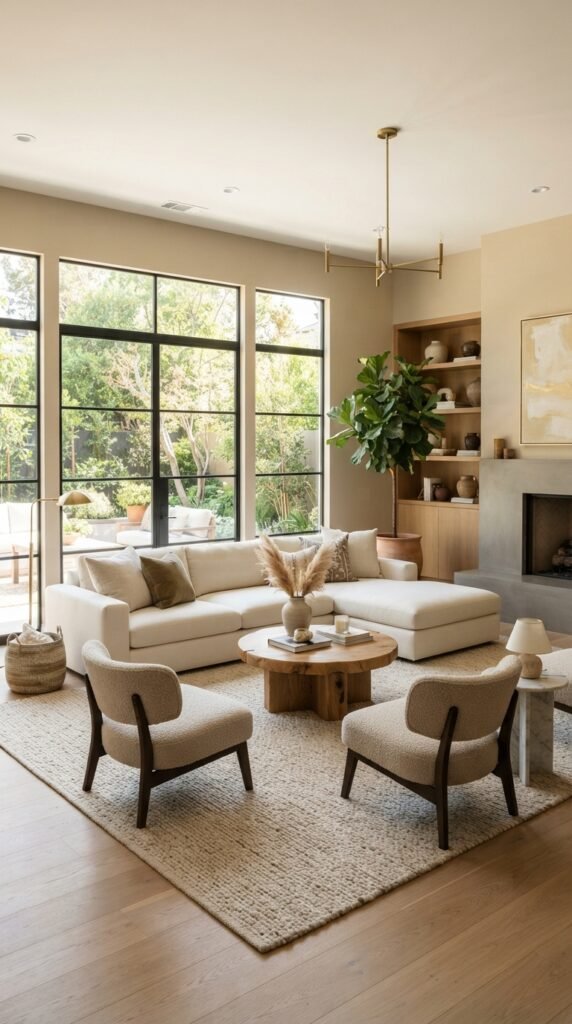
One of the easiest ways to create a sectional living room layout not against wall is to float the sofa in the center of the room. Instead of pushing the sectional toward a wall, position it several feet away so the back of the sofa becomes part of the room’s design. Place a large area rug underneath the sectional and coffee table to visually connect the furniture. This arrangement works especially well in medium and large living rooms where there is enough space to walk around the sofa comfortably.
Floating your sectional can also make the room feel more professionally designed. Rather than creating a furniture arrangement that follows the walls, you’re creating a central conversation zone. Add an accent chair, ottoman, or pair of chairs opposite the sectional to establish balance. A console table behind the sectional can provide another styling opportunity for lamps, books, vases, and decorative accessories.
2. Use the Sectional to Divide an Open-Concept Space
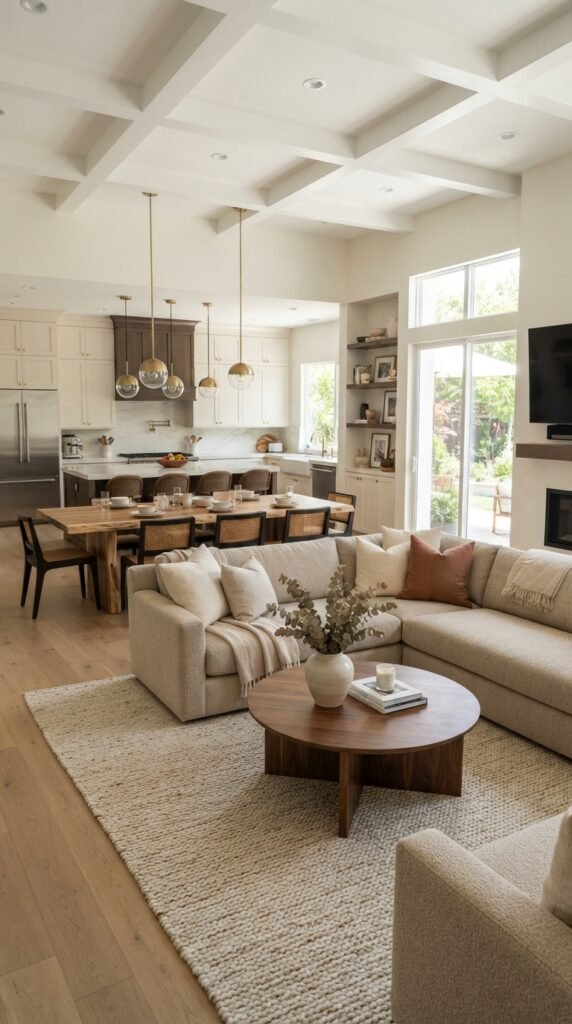
An open-concept home is one of the best places to use a sectional sofa not against the wall. Instead of using a traditional wall to separate your living room, allow the back of the sectional to create a natural boundary between the living area and another zone. This approach can make a large room feel more organized without making it feel closed off. The sectional essentially acts like a visual room divider while maintaining an open and airy atmosphere.
For example, position the sectional with its back facing the dining area while the seating faces the television or fireplace. Keep enough space behind the sofa for comfortable movement between zones. A narrow console table can reinforce the separation while providing useful storage and decoration. This layout is particularly useful for homeowners who want their open-concept living room to feel like multiple functional spaces rather than one enormous room.
3. Place a Console Table Behind the Sectional
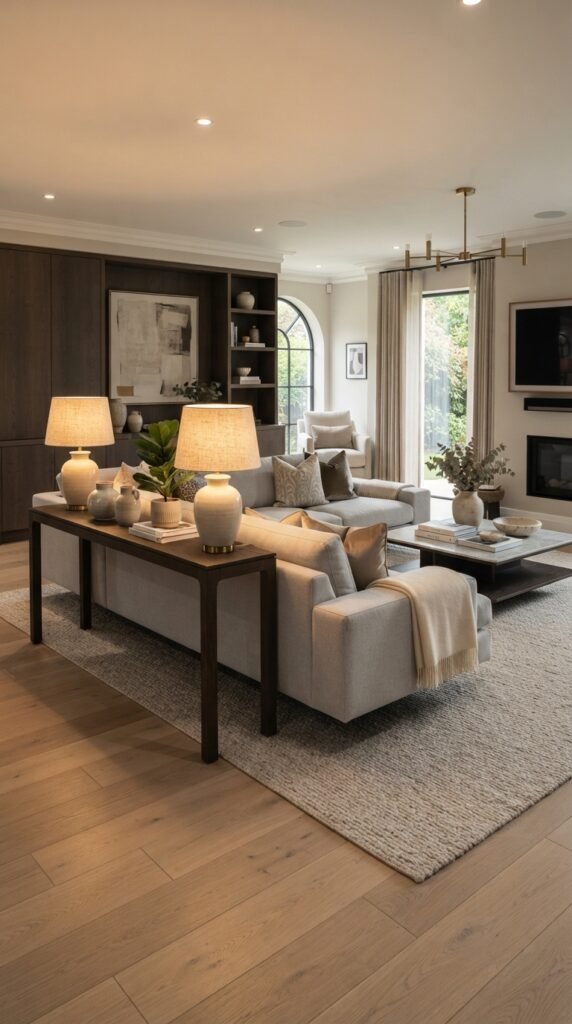
When your sectional is floating in the room, the exposed back can sometimes look unfinished. A simple console table solves this problem while adding another decorative layer. Choose a slim console that is approximately the same height as the back of your sectional. Position it directly behind the sofa and decorate it with a small collection of accessories rather than filling every inch of the surface.
A console table can also improve the functionality of your sectional living room layout not against wall. Add two table lamps for symmetrical lighting, a few coffee-table books, a decorative bowl, or a vase with greenery. If your living room is large, the console can visually anchor the sectional and make the floating arrangement feel intentional. Choose wood for warmth, metal for an industrial look, or painted finishes for a more traditional room.
4. Create a Conversation-Focused Living Room
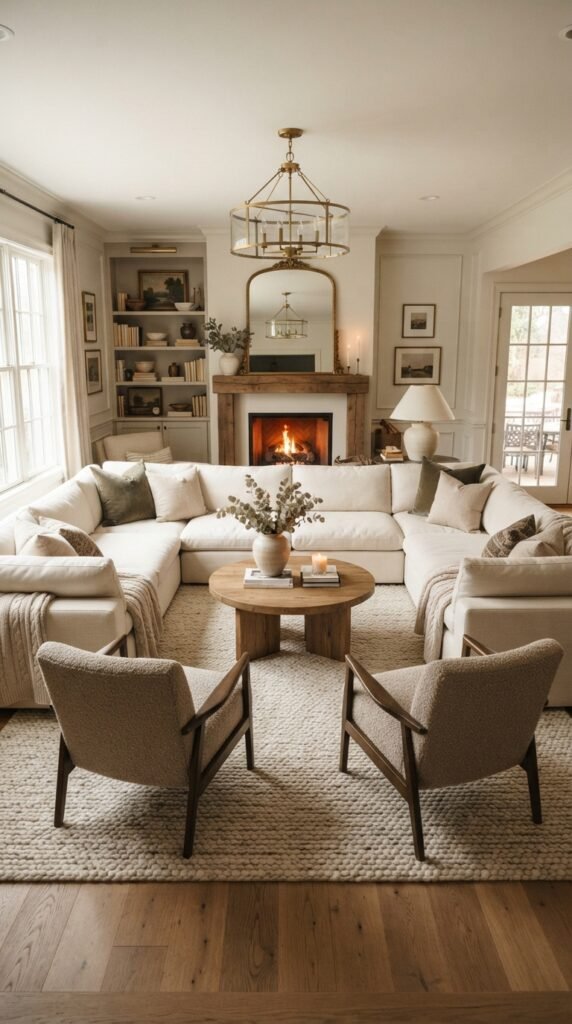
Your living room doesn’t have to be arranged entirely around the television. Floating a sectional away from the wall gives you an excellent opportunity to create a conversation-friendly living room layout. Position the sectional so that it faces one or two accent chairs rather than pointing directly toward a screen. Place a coffee table in the middle to make drinks, books, and conversation more convenient.
This type of arrangement works particularly well for homes where entertaining is important. Instead of having everyone stare toward the same wall, the furniture encourages eye contact and interaction. Keep the seating relatively close together while maintaining comfortable walking paths around the arrangement. A large rug can bring all the furniture together and make the floating sectional feel like the centerpiece of the room rather than an oversized piece of furniture.
5. Float the Sectional in Front of a Window
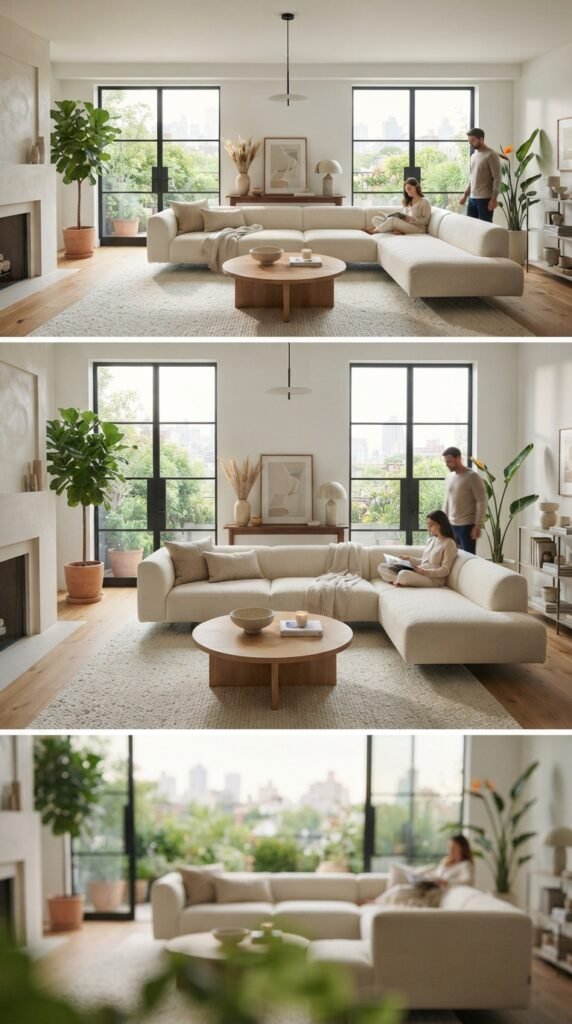
If your living room has beautiful windows, you don’t necessarily need to push the sectional against another wall. Floating the sofa in front of a window can create a stunning layout, particularly when the window provides natural light and an attractive outdoor view. Leave enough distance between the sectional and the window so curtains can open and close easily and the room doesn’t feel cramped.
Because the back of the sectional becomes visible, consider adding a narrow console table behind it. Keep the table low and visually lightweight so it doesn’t compete with the windows. This sectional layout not against the wall works especially well in modern, minimalist, and contemporary homes. Use neutral upholstery, a textured rug, and simple accessories to keep the room feeling bright and uncluttered.
6. Use a Large Area Rug to Anchor the Floating Sectional
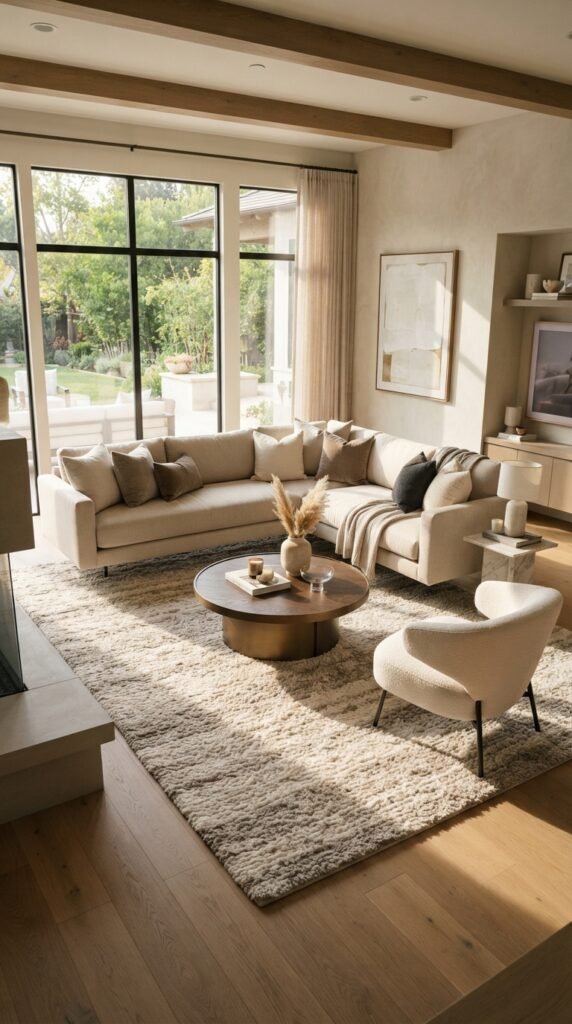
One of the most important tricks for making a sectional living room layout not against wall look intentional is using the right area rug. A rug visually defines the living room and connects separate pieces of furniture into one cohesive arrangement. Ideally, the front legs of your sectional should sit on the rug, while larger rooms may benefit from placing all of the furniture completely on the rug.
Avoid choosing a rug that is too small for the space. A tiny rug underneath only the coffee table can make a floating sectional look disconnected. Instead, select an appropriately sized rug that extends beyond the seating area. Neutral wool, textured, geometric, or vintage-inspired rugs can work beautifully depending on your decorating style. The rug becomes the foundation that makes the entire furniture arrangement feel balanced.
7. Create a TV-Friendly Floating Sectional Layout
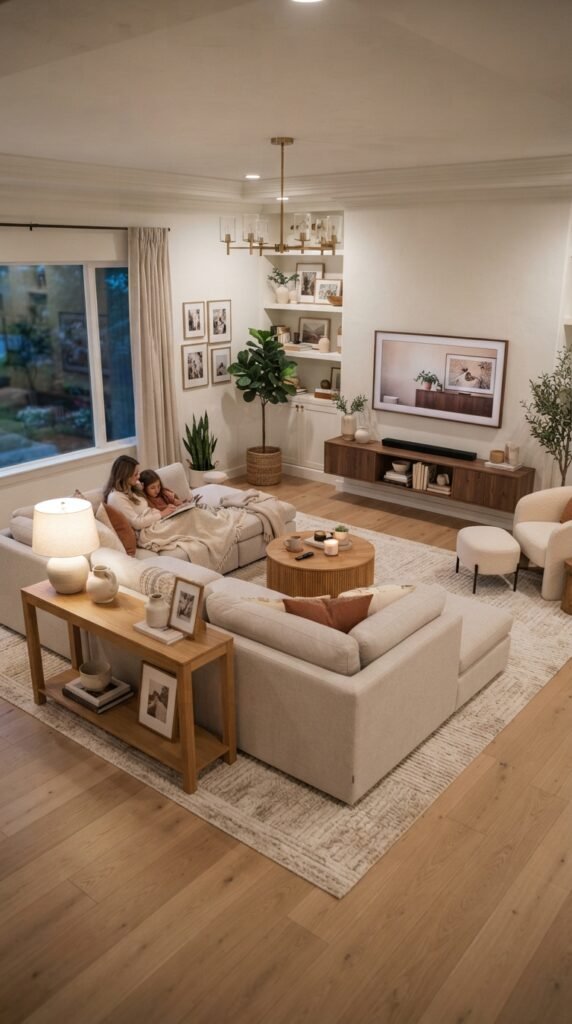
You can absolutely float a sectional and still create an excellent television-watching area. Position the sectional at a comfortable viewing distance from the TV rather than automatically placing it against a wall. The orientation should allow the longest portion of the sectional to face the television while the shorter chaise portion provides a relaxed lounging spot.
The key is maintaining enough circulation space around the furniture. You don’t want people walking directly through the television viewing area. If possible, create a clear pathway behind or beside the sectional. A large rug can define the entertainment zone, while a console behind the sectional can add decorative interest. This approach gives your living room sectional layout a more sophisticated appearance than simply pushing the sofa against the nearest wall.
8. Use the Sectional to Define a Small Living Room
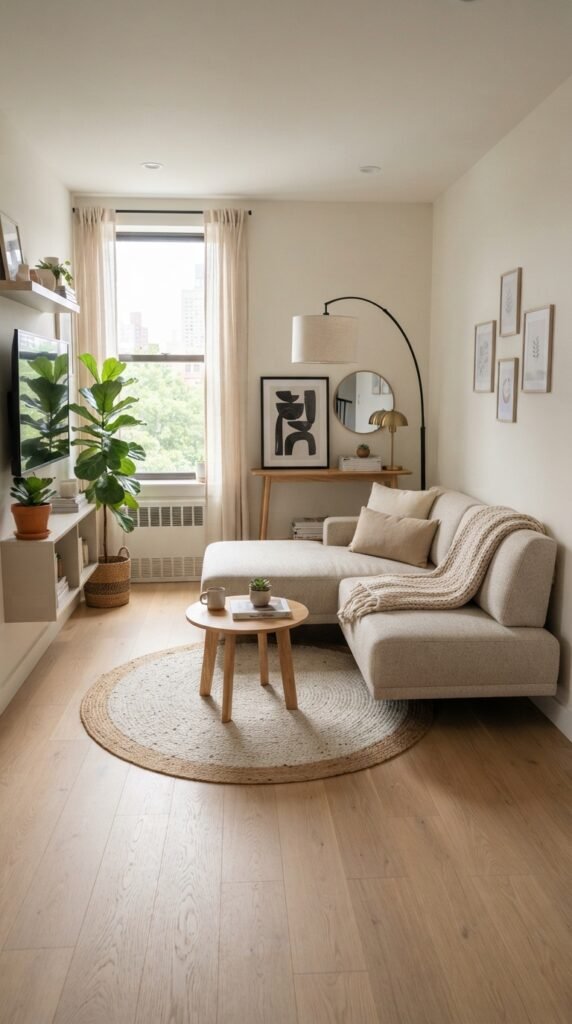
A sectional doesn’t have to touch the wall just because your living room is small. In some compact spaces, pulling the sectional slightly away from the wall can actually improve the overall flow. Even moving it a few inches or positioning it strategically can create a better relationship between the seating, coffee table, television, and walking paths.
For a small apartment, choose a compact sectional with clean lines rather than an oversized deep model. Use a round coffee table to make movement around the furniture easier and select a rug that visually defines the seating area. A narrow console behind the sectional can provide storage without consuming too much floor space. The goal is to make every part of the room feel purposeful while avoiding unnecessary furniture.
9. Position the Sectional Facing a Fireplace
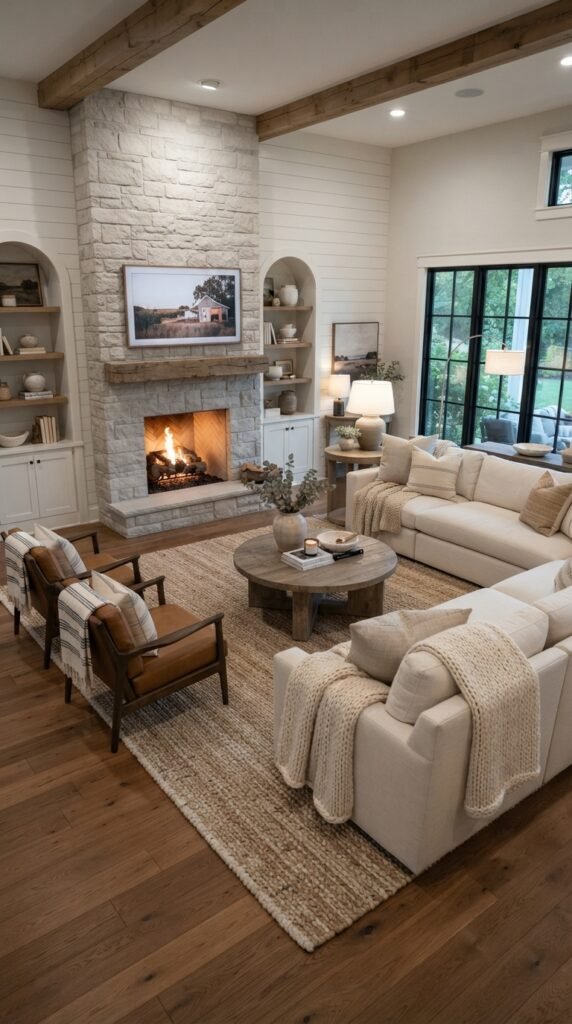
If your fireplace is the architectural focal point of your room, orienting the sectional toward it can create a warm and inviting arrangement. Rather than placing the sectional against a wall simply because the room has one, allow the fireplace to determine the direction of your furniture. Float the sectional several feet away and center the seating arrangement around the fireplace.
This layout creates a natural gathering point for family and guests. Add two accent chairs opposite or beside the sectional to create a balanced conversation zone. A large rug underneath the furniture can unify the arrangement. If the fireplace is slightly off-center, don’t worry about making every piece perfectly symmetrical. Instead, balance the visual weight with lighting, artwork, plants, and accessories.
10. Create a Two-Zone Living Room
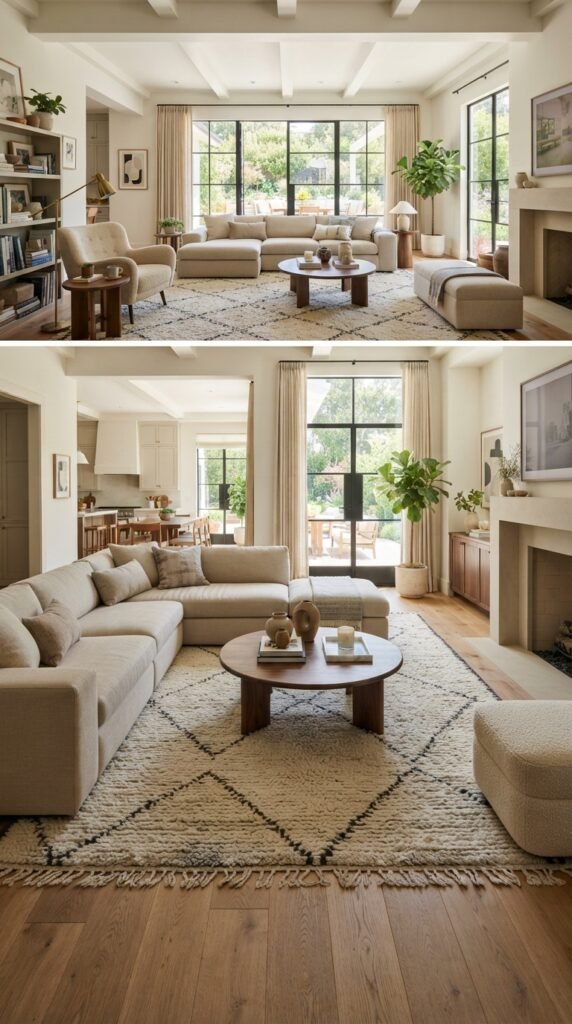
Large living rooms can sometimes feel empty when all the furniture is pushed against the walls. A floating sectional can solve this problem by helping you divide the room into multiple functional zones. Use the sectional to establish the primary seating area, then create a secondary zone behind it for reading, relaxing, working, or enjoying coffee.
For example, place a comfortable accent chair and floor lamp behind the sectional to create a small reading corner. Alternatively, you could add a narrow desk or a pair of occasional chairs. The key is to make each zone feel connected without overcrowding the room. This sectional living room layout not against wall is especially effective in large homes and open floor plans where furniture placement needs to create structure.
11. Angle the Secti/i
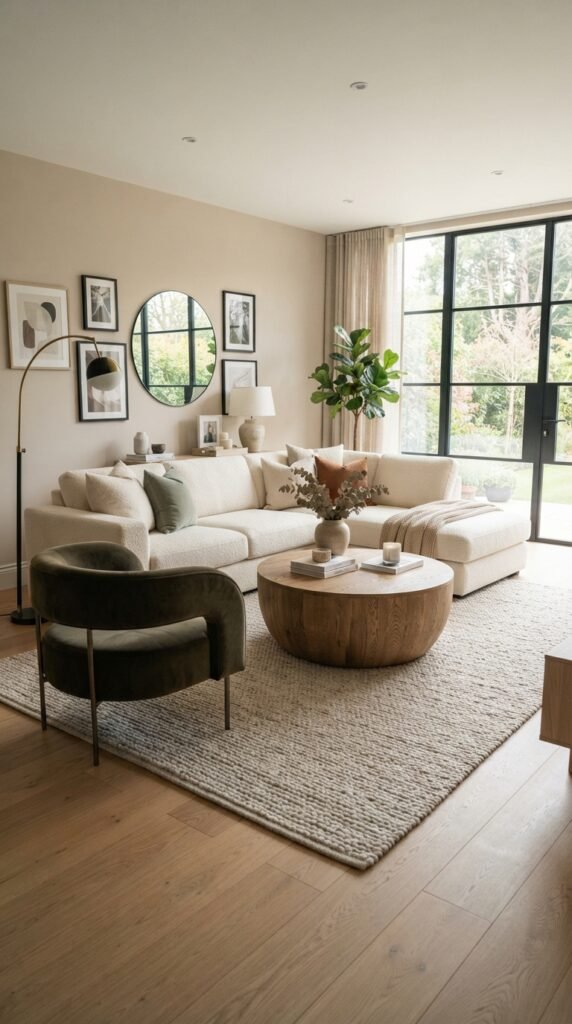
You don’t always have to position your sectional perfectly parallel to a wall. Angling it slightly can create a more dynamic and visually interesting living room. This technique is particularly useful in rooms with unusual architectural features, large open areas, or multiple entrances. A slightly angled sectional can guide the eye toward a fireplace, television, window, or other focal point.
Before committing to the arrangement, make sure the angle doesn’t interfere with doors or walking paths. The sectional should feel intentionally positioned rather than randomly placed. Pair the angled sofa with a round coffee table to soften the geometry and make the arrangement feel cohesive. This layout is ideal if you want your living room to have a more relaxed, designer-inspired appearance.
12. Put the Chaise Toward the Room
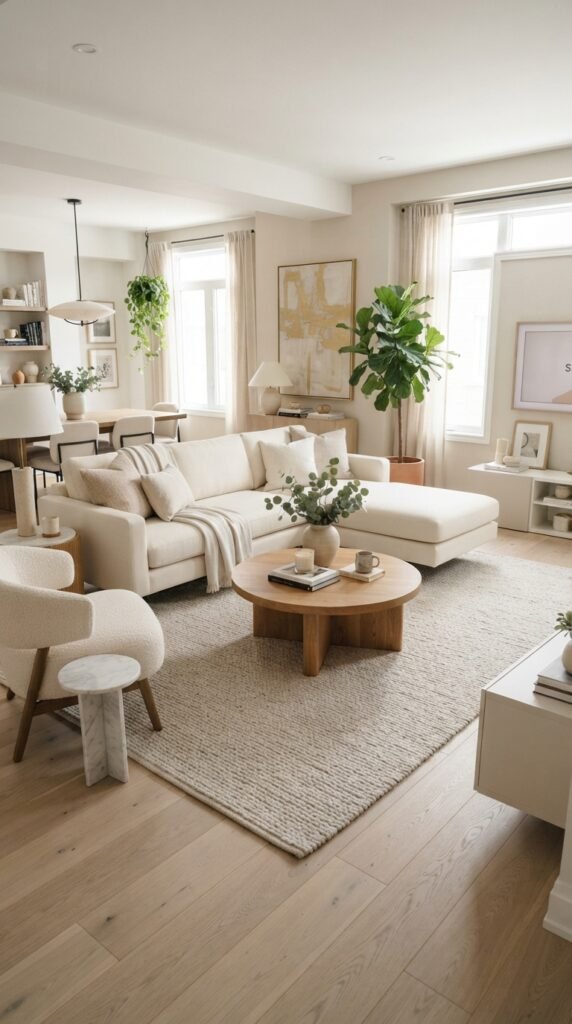
The direction of the chaise can significantly change how your living room feels. Instead of placing the chaise against a wall, consider allowing it to extend toward the center of the room. This creates a relaxed lounging position while helping the sectional define the boundaries of the living area.
This arrangement is particularly effective in open-concept spaces because the chaise can subtly separate the living room from another area. Make sure there is still enough room to walk around the chaise comfortably. A round or oval coffee table can work especially well because its softer shape makes circulation easier. Add layered cushions and a throw blanket to make the chaise feel like an intentional relaxation zone.
13. Use a Floating Sectional to Improve Traffic Flow
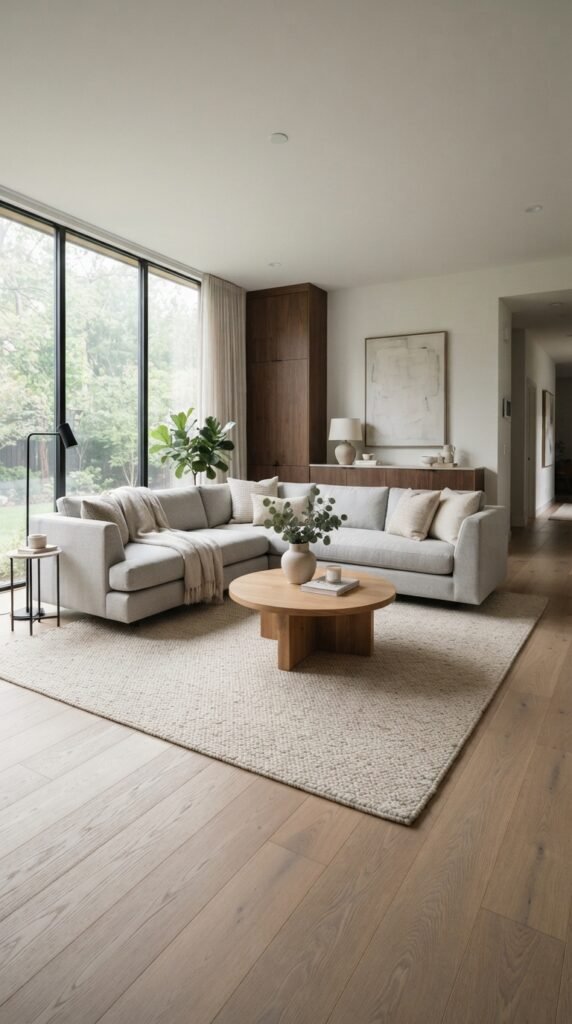
Furniture placement should always consider how people move through a room. A sectional pushed against a wall might seem like the obvious choice, but it doesn’t always create the best traffic pattern. Floating the sectional can help establish clearer pathways, particularly when the room has multiple entrances or connects to another part of the home.
Start by identifying the main walking routes through your room. Then position the sectional so people can move around it naturally without crossing directly through the main seating area. Leave comfortable clearance between furniture and pathways. A floating sectional can actually make a room feel more organized when the arrangement is planned around movement rather than simply following the walls.
14. Add Accent Chairs Around the Floating Sectional
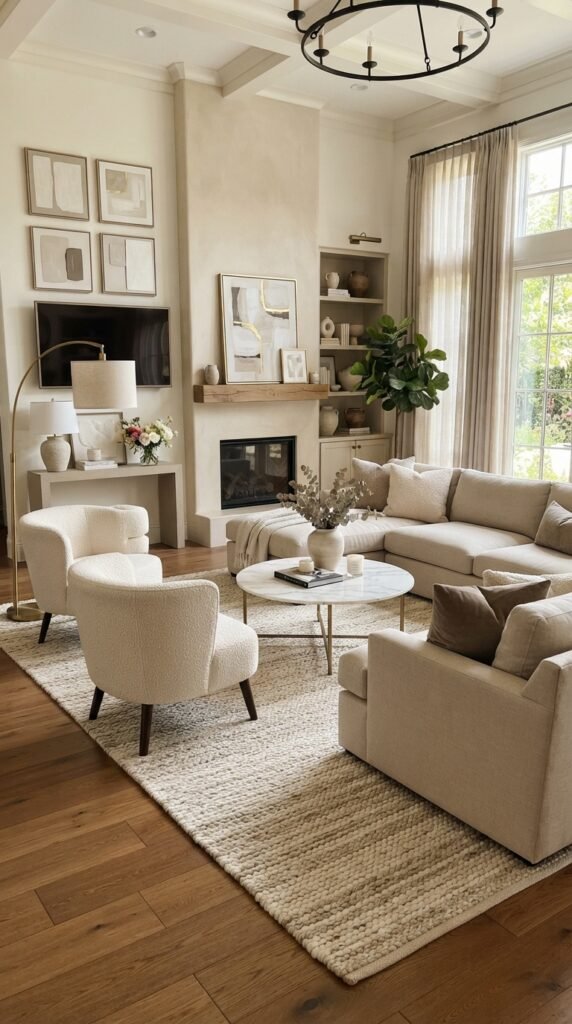
Accent chairs are an excellent way to complete a sectional sofa not against wall arrangement. When the sectional is floating, chairs can be positioned opposite the sofa to create a balanced conversation area. Choose chairs that complement the sectional without matching it exactly. For example, a cream sectional could be paired with camel leather chairs, boucle chairs, or natural wood-framed seating.
Keep the chairs close enough to encourage conversation but far enough apart to maintain an open feeling. A round coffee table in the center can connect the sectional and chairs while making the arrangement easier to navigate. This combination works beautifully in contemporary, transitional, modern farmhouse, and luxury neutral living rooms.
15. Make the Floating Sectional the Room’s Main Focal Point
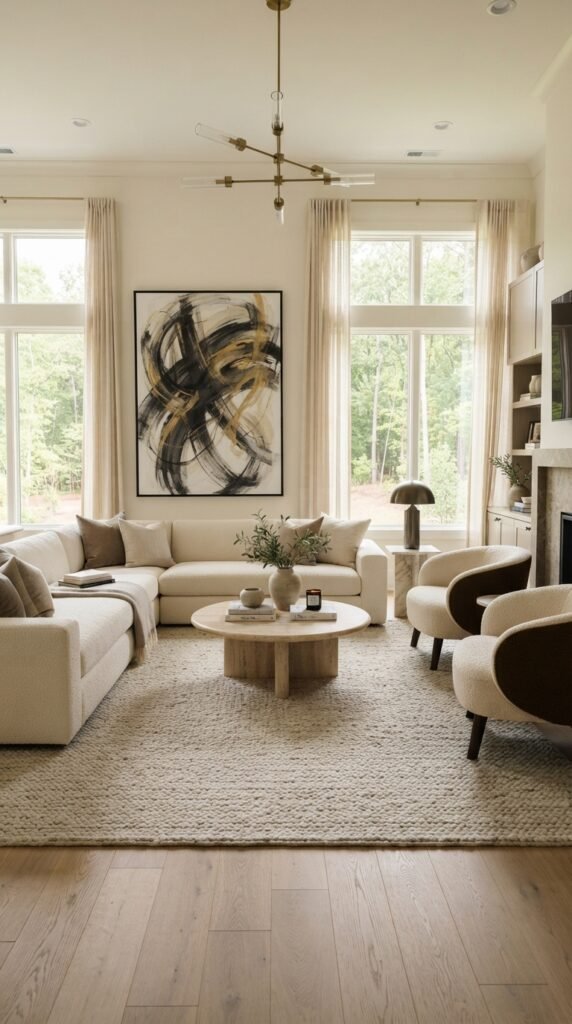
If you want your sectional to become the star of the room, don’t be afraid to give it plenty of breathing space. Instead of treating the sectional as something that needs to disappear against a wall, make it the centerpiece. Choose a beautiful upholstery color, layer it with pillows and throws, and surround it with carefully selected furniture.
The rest of the room should support rather than compete with the sectional. Use a large rug to anchor the furniture, a statement coffee table to provide visual interest, and carefully selected artwork or lighting to complete the space. This approach transforms a basic sectional living room layout into a sophisticated designer arrangement. The result feels intentional, comfortable, and highly styled without appearing overcrowded.
Tips for a Sectional Living Room Layout Not Against Wall
When floating a sectional, always prioritize traffic flow, furniture scale, and visual balance. The sofa should have enough space around it for people to move comfortably. Avoid filling every empty area simply because the sectional isn’t against the wall. Negative space is important and can make your living room feel larger.
A large area rug is usually one of the most useful elements for grounding a floating sectional. Add a console table behind the sofa if the back is visible, and use lighting, plants, artwork, and accent chairs to balance the room. Most importantly, position the sectional around the room’s focal point and the way you actually use the space—not simply where the walls suggest it should go.
Frequently Asked Questions
Should a sectional be against the wall?
No. A sectional can look excellent when positioned away from the wall. Floating the sofa can improve traffic flow, define an open-concept space, and create a more sophisticated furniture arrangement. The key is having enough room around the sectional for comfortable movement.
How far should a sectional be from the wall?
There isn’t one universal measurement, but the sectional should have enough space to create a functional walkway if people need to pass behind it. In larger rooms, leaving several feet behind the sofa can make the arrangement feel intentional. Always consider doors, windows, curtains, and existing pathways.
How do you make a floating sectional look good?
Use a large area rug to anchor the furniture and consider placing a slim console table behind the sectional. Add a coffee table, accent chairs, lighting, plants, and decorative accessories to create visual balance. The sectional should feel like the center of a planned seating zone rather than a piece randomly placed in the room.
Is a floating sectional good for a small living room?
Yes, when the sectional is appropriately sized. A compact sectional can help define the living area while keeping the room organized. Avoid oversized furniture, use a smaller round coffee table, and maintain clear walking paths to prevent the space from feeling cramped.
What should I put behind a sectional that is not against the wall?
A slim console table is one of the most popular choices. You can decorate it with lamps, books, vases, greenery, or a decorative bowl. In larger rooms, the space behind the sectional can also become a reading nook, workspace, or secondary seating area.
Can I float a sectional in an open-concept living room?
Absolutely. Floating a sectional is one of the best ways to visually divide an open-concept living room from a dining area, kitchen, or entryway. The back of the sectional can act as a subtle room divider while maintaining the openness of the overall floor plan.
Final Thoughts
A sectional living room layout not against wall can completely change the way your home looks and functions. Instead of automatically pushing your sectional against the nearest wall, consider how the furniture can define zones, improve movement, highlight a focal point, and encourage conversation.
From floating a sectional in the center of the room to using it as a divider in an open floor plan, these ideas offer practical ways to create a more intentional interior. Whether you’re decorating a small apartment or a spacious family home, the right sectional placement can make your living room feel more comfortable, balanced, and beautifully designed.